
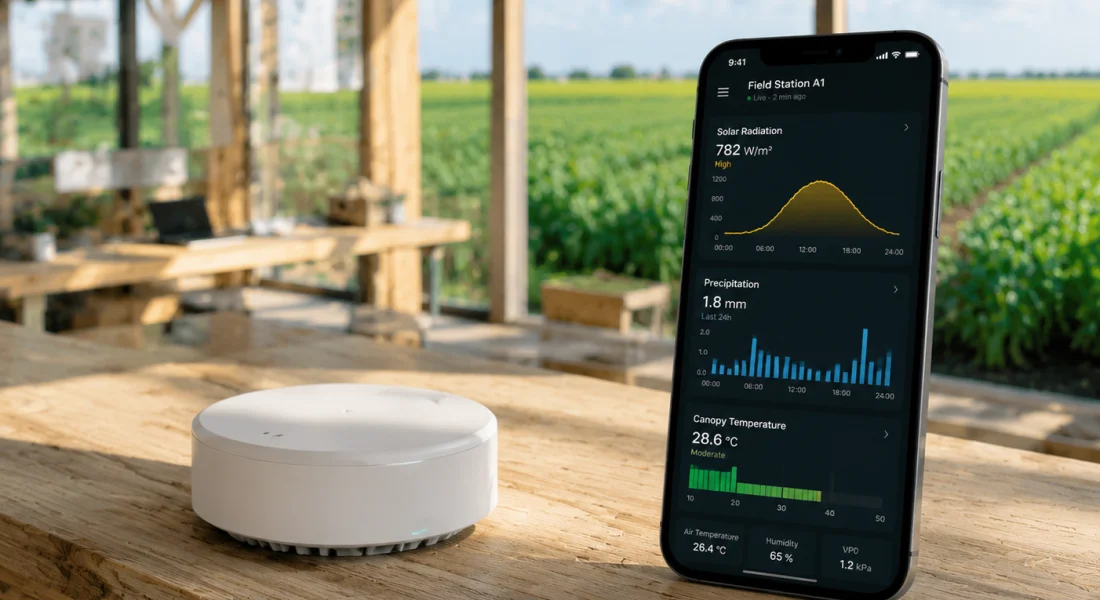
त्वरित सारांश: एरेबल एक सटीक कृषि मंच है जो वास्तविक समय में खेत की स्थितियों की निगरानी के लिए आईओटी मौसम स्टेशनों को फसल संबंधी जानकारी वाले सॉफ्टवेयर के साथ जोड़ता है। यह प्रणाली खेत में लगे सेंसरों के माध्यम से मौसम, मिट्टी की नमी, पौधों पर तनाव और सिंचाई की जरूरतों को ट्रैक करती है और वेब और मोबाइल डैशबोर्ड के माध्यम से उपयोगी जानकारी प्रदान करती है।.
सटीक कृषि तकनीक अब एक वांछनीय सुविधा से हटकर आवश्यक आधारभूत संरचना बन गई है। जलवायु परिवर्तन से कृषि की लाभप्रदता पर गहरा असर पड़ता है, और डेटा-आधारित निर्णय तेजी से सफल कृषि कार्यों को उन कार्यों से अलग करते हैं जो मुश्किल से ही लागत निकाल पाते हैं।.
एरेबल खुद को एक व्यापक फसल इंटेलिजेंस सिस्टम के रूप में प्रस्तुत करता है। लेकिन क्या यह मापने योग्य ROI प्रदान करता है? और यह टेलस फार्म मैनेजमेंट (पूर्व में ग्रीनलाइट ग्रोवर मैनेजमेंट) या गेटकीपर जैसे स्थापित कृषि प्रबंधन प्लेटफार्मों से किस प्रकार भिन्न है?
यह समीक्षा वर्तमान तैनाती डेटा और प्रतिस्पर्धी विश्लेषण के आधार पर एरेबल की क्षमताओं, सटीकता मानकों, व्यावहारिक सीमाओं और मूल्य निर्धारण संबंधी विचारों की जांच करती है।.
कृषि योग्य भूमि क्या है और यह कैसे काम करती है?
एरेबल हार्डवेयर और सॉफ्टवेयर को मिलाकर वह सुविधा प्रदान करता है जिसे कंपनी "संपूर्ण फसल इंटेलिजेंस" कहती है। इसका मुख्य घटक खेत में स्थापित एक मौसम स्टेशन उपकरण है जो दर्जनों पर्यावरणीय और पौधों के स्वास्थ्य संबंधी मापदंडों को कैप्चर करता है।.
यह प्रणाली मौसम के पैटर्न, मिट्टी में नमी के स्तर, फसलों द्वारा पानी के उपयोग और पौधों के तनाव संकेतकों की निगरानी करती है। डेटा फील्ड सेंसर से क्लाउड-आधारित एनालिटिक्स में जाता है, और फिर वेब डैशबोर्ड और मोबाइल एप्लिकेशन के माध्यम से प्रदर्शित होता है।.
हार्डवेयर फाउंडेशन
कृषि उपकरण खेत में लगाया जाता है—आमतौर पर एक इकाई फसल की एकरूपता और स्थलाकृति के आधार पर 40-160 एकड़ क्षेत्र को कवर करती है। यह उपकरण निम्नलिखित मापता है:
- विभिन्न ऊंचाइयों पर तापमान और आर्द्रता
- वर्षा और वर्षा की तीव्रता
- सौर विकिरण और प्रकाश संश्लेषणात्मक रूप से सक्रिय विकिरण (पीएआर)
- हवा की गति और दिशा
- बैरोमेट्रिक दबाव
- इन्फ्रारेड सेंसर के माध्यम से कैनोपी का तापमान
- विभिन्न गहराइयों पर मृदा नमी
बिजली की आपूर्ति एकीकृत सौर पैनलों और बैटरी बैकअप से होती है। सेलुलर कनेक्टिविटी लगभग वास्तविक समय में डेटा संचारित करती है, हालांकि कुछ क्षेत्रों में तैनाती से पहले नेटवर्क कवरेज की पुष्टि आवश्यक होती है।.
सॉफ्टवेयर इंटेलिजेंस लेयर
कच्चे सेंसर डेटा को विशेष एल्गोरिदम के माध्यम से संसाधित किया जाता है, जिससे उपयोगी जानकारी प्राप्त होती है। यह प्लेटफॉर्म फसल जल तनाव सूचकांक, वृद्धि डिग्री दिवस, रोग दबाव मॉडल और सिंचाई संबंधी अनुशंसाओं की गणना करता है।.
2025 में प्रकाशित परिशुद्ध कृषि अनुसंधान के अनुसार, उपज पूर्वानुमान के लिए मशीन लर्निंग पद्धतियों ने सटीकता के क्षेत्र में महत्वपूर्ण उपलब्धियाँ हासिल की हैं। एक CNN-LSTM संलयन पद्धति ने नियंत्रित अनुसंधान परिस्थितियों में मक्का की उपज पूर्वानुमान के लिए 74% की सटीकता प्राप्त की, हालाँकि वास्तविक दुनिया में छवि-आधारित डेटा का उपयोग करने पर आमतौर पर कम सटीकता दिखाई देती है, फिर भी यह पहले के डीप लर्निंग मॉडलों से कहीं बेहतर प्रदर्शन करती है जिनकी अधिकतम सटीकता लगभग 50% थी।.
एरेबल के विश्लेषण में समान कम्प्यूटेशनल दृष्टिकोण शामिल हैं, जो परिणामों का पूर्वानुमान लगाने और हस्तक्षेप के अवसरों को इंगित करने के लिए सेंसर डेटा को कृषि संबंधी मॉडलों के साथ जोड़ते हैं।.
मुख्य विशेषताएं और क्षमताएं
अब यहीं से बात दिलचस्प हो जाती है। एरेबल सिर्फ एक मौसम स्टेशन नहीं है—यह प्लेटफॉर्म पर्यावरणीय डेटा को फसल के प्रदर्शन और प्रबंधन कार्यों से जोड़ने का प्रयास करता है।.
जल प्रबंधन और सिंचाई प्रबंधन
इस प्रणाली की मुख्य ताकत जल प्रबंधन में निहित है। यह प्रणाली वास्तविक वाष्पोत्सर्जन (ETa), मृदा नमी की कमी और फसल पर पानी के दबाव का वास्तविक समय में विश्लेषण करती है।.
जिन संस्थाओं का जल संरक्षण का लक्ष्य महत्वाकांक्षी है, उनके लिए यह प्लेटफॉर्म जवाबदेही सुनिश्चित करता है। यह प्लेटफॉर्म जल उपयोग दक्षता का मात्रात्मक मूल्यांकन करता है और अतिरिक्त सिंचाई की पहचान करने में मदद करता है, ताकि इससे इनपुट लागत या नियामक अनुपालन पर कोई प्रभाव न पड़े।.
एरिजोना में सिंचाई विधियों की तुलना करने वाले शोध में पाया गया कि विशिष्ट दृष्टिकोण और मृदा संशोधन जल उपयोग दक्षता और पैदावार में उल्लेखनीय सुधार कर सकते हैं। एरेबल की निगरानी से किसानों को क्षेत्रीय औसत पर निर्भर रहने के बजाय अपनी विशिष्ट परिस्थितियों के लिए कारगर रणनीतियों का परीक्षण और सत्यापन करने में मदद मिलती है।.
रोग और कीट दबाव मॉडलिंग
पर्यावरणीय परिस्थितियाँ रोग के विकास को प्रभावित करती हैं। एरेबल के एल्गोरिदम सामान्य फसल रोगों के संक्रमण के जोखिम का अनुमान लगाने के लिए तापमान, आर्द्रता और पत्तियों पर नमी की अवधि का उपयोग करते हैं।.
यह प्रणाली प्रकोप के अनुकूल परिस्थितियों में अलर्ट उत्पन्न करती है, जिससे सैद्धांतिक रूप से प्रतिक्रियात्मक छिड़काव के बजाय निवारक अनुप्रयोग का समय निर्धारित किया जा सकता है। लेकिन इसकी प्रभावशीलता विशिष्ट रोगजनकों और स्थानीय सूक्ष्म जलवायु के लिए मॉडल की सटीकता पर बहुत अधिक निर्भर करती है।.
डिग्री डे ट्रैकिंग में वृद्धि
फसल की वृद्धि का पूर्वानुमान लगाने से बुवाई, उर्वरक प्रयोग और कटाई जैसी कार्यविधियों का समय निर्धारित करने में मदद मिलती है। एरेबल संचित वृद्धि डिग्री दिनों की गणना करता है और उन्हें फसल के विकास के विभिन्न चरणों के साथ जोड़ता है।.
यह उन कार्यों के लिए विशेष रूप से मूल्यवान हो जाता है जो अलग-अलग बुवाई तिथियों या विभिन्न सूक्ष्म जलवायु वाले कई खेतों का प्रबंधन करते हैं।.
पाला और गर्मी के तनाव संबंधी चेतावनी
तापमान में अत्यधिक उतार-चढ़ाव से फसलों को काफी नुकसान होता है। यह प्लेटफॉर्म पूर्वानुमानों और वर्तमान स्थितियों पर नज़र रखता है और सीमा के करीब पहुंचने पर पुश नोटिफिकेशन भेजता है।.
उच्च मूल्य वाली फसलों के लिए जहां सुरक्षात्मक उपाय (सिंचाई, पवन मशीनें, पंक्ति आवरण) लागत को उचित ठहराते हैं, समय पर मिलने वाली चेतावनियां महत्वपूर्ण नुकसान को रोकती हैं।.
FlyPix AI का उपयोग करके ड्रोन और सैटेलाइट इमेज को प्रोसेस करें।
भौगोलिक डेटा के साथ काम करने में अक्सर उपयोगी जानकारी खोजने के लिए बड़े इमेज डेटासेट को छांटना शामिल होता है। FlyPix AI हवाई, उपग्रह और ड्रोन इमेजरी के लिए AI-संचालित पहचान, एनोटेशन और वर्गीकरण उपकरणों के माध्यम से इस प्रक्रिया को स्वचालित करने में मदद करता है।.
क्या आप तेज़ जियोस्पेशियल इमेज प्रोसेसिंग की तलाश में हैं?
FlyPix AI निम्नलिखित में मदद कर सकता है:
- छवि एनोटेशन और वर्गीकरण
- भू-स्थानिक छवियों में वस्तु का पता लगाना
- कस्टम एआई मॉडल प्रशिक्षण
- बड़े पैमाने पर छवि विश्लेषण
👉 FlyPix AI को आजमाएं यह देखने के लिए कि भू-स्थानिक एआई आपके कार्यप्रवाह को कैसे सहायता प्रदान कर सकता है।.
सटीकता और प्रदर्शन मानदंड
हार्डवेयर की विश्वसनीयता मायने रखती है, लेकिन पूर्वानुमान की सटीकता ही वास्तविक मूल्य निर्धारित करती है। वास्तविक परिस्थितियों में एरेबल की इंटेलिजेंस लेयर कैसा प्रदर्शन करती है?
मौसम मापन विश्वसनीयता
तापमान, आर्द्रता और वर्षा जैसे बुनियादी मौसम संबंधी माप, सही ढंग से स्थापित किए जाने पर आमतौर पर आस-पास के मौसम स्टेशनों के साथ सटीक परिणाम देते हैं। प्रतिष्ठित निर्माताओं के सेंसर की गुणवत्ता अब काफी भरोसेमंद हो गई है।.
वाष्पोत्सर्जन अनुमान और कैनोपी तापमान व्याख्या जैसे व्युत्पन्न मापदंडों के साथ चुनौती उत्पन्न होती है। इनमें सावधानीपूर्वक अंशांकन की आवश्यकता होती है और यदि स्थापना विनिर्देशों से विचलित होती है तो ये वास्तविक स्थिति से काफी भिन्न हो सकते हैं।.
मृदा नमी की सटीकता संबंधी विचार
मृदा नमी संवेदकों में अंतर्निहित सीमाएँ होती हैं। माप केवल संवेदक के आसपास के एक छोटे से क्षेत्र को ही दर्शाता है, जबकि जड़ तंत्र विभिन्न विशेषताओं वाली मिट्टी के घन मीटरों में फैला होता है।.
मिट्टी की बनावट, संघनन, कार्बनिक पदार्थ की मात्रा और स्थापना की गहराई, ये सभी कारक रीडिंग को प्रभावित करते हैं। एक सिंगल सेंसर सटीक माप के बजाय दिशात्मक मार्गदर्शन प्रदान करता है।.
सिंचाई संबंधी महत्वपूर्ण निर्णयों के लिए, कई कृषि वैज्ञानिक समय-समय पर मैन्युअल जांच - मिट्टी के नमूने, स्पर्श परीक्षण या न्यूट्रॉन जांच माप - के माध्यम से सेंसर डेटा को मान्य करने की सलाह देते हैं।.
रोग मॉडल सत्यापन
रोग के दबाव के मॉडलों की पूर्वानुमान क्षमता में व्यापक भिन्नता पाई जाती है। विशिष्ट रोगजनक-मेजबान संयोजनों (जैसे आलू में लेट ब्लाइट) के लिए सुस्थापित मॉडल उचित रूप से अच्छा प्रदर्शन करते हैं। कम अध्ययन किए गए रोगों के लिए सामान्य मॉडल अक्सर अत्यधिक गलत सकारात्मक परिणाम उत्पन्न करते हैं।.
उत्पादकों का कहना है कि ये अलर्ट स्क्रीनिंग टूल के रूप में सबसे अच्छा काम करते हैं - ये स्प्रे संबंधी निर्णय लेने के बजाय खेत का गहन निरीक्षण करने की आवश्यकता वाले समय को इंगित करते हैं।.
उपज पूर्वानुमान सटीकता
हाल के अकादमिक शोध से पता चलता है कि उन्नत मशीन लर्निंग दृष्टिकोण सटीकता में उल्लेखनीय सुधार ला सकते हैं। फसल अनुशंसा प्रणालियों पर किए गए अध्ययनों में व्यापक बहु-वर्षीय डेटासेट पर प्रशिक्षित किए जाने पर मौसमी फसल चयन के लिए 99.3% की सटीकता प्राप्त हुई है।.
लेकिन वास्तविक दुनिया में तैनाती की सटीकता आमतौर पर नियंत्रित अनुसंधान वातावरण से कम होती है। परिवर्तनशील मौसम, कीटों का दबाव, प्रबंधन संबंधी निर्णय और संकरों के बीच आनुवंशिक अंतर, ये सभी कारक ऐसे उतार-चढ़ाव पैदा करते हैं जिन्हें मॉडल पूरी तरह से पकड़ नहीं पाते हैं।.
कृषि योग्य भूमि मूल्य निर्धारण संरचना
लागत से ही निवेश पर लाभ (ROI) निर्धारित होता है, और एरेबल की मूल्य निर्धारण प्रणाली की सावधानीपूर्वक जांच करना आवश्यक है। कंपनी आमतौर पर साधारण सॉफ्टवेयर लाइसेंसिंग के बजाय डिवाइस सब्सक्रिप्शन के आधार पर मूल्य निर्धारण करती है।.
सटीक मूल्य निर्धारण अरेबल की वेबसाइट पर सार्वजनिक रूप से सूचीबद्ध नहीं है और यह उपकरणों की संख्या, अनुबंध की अवधि और उद्यम समर्थन आवश्यकताओं जैसे कारकों के आधार पर भिन्न होता है। संभावित ग्राहकों को वर्तमान कीमतों के लिए सीधे अरेबल से संपर्क करना चाहिए।.
लेकिन बात यह है कि तैनाती की लागत सदस्यता शुल्क से कहीं अधिक होती है।.
स्वामित्व की कुल लागत के कारक
| लागत घटक | विवरण | विशिष्ट प्रभाव |
|---|---|---|
| डिवाइस हार्डवेयर | भौतिक स्टेशनों की खरीद या पट्टा | एकमुश्त या किश्तों में भुगतान |
| सदस्यता शुल्क | वार्षिक प्लेटफ़ॉर्म पहुँच और डेटा प्रसंस्करण | वार्षिक रूप से आवर्ती |
| स्थापना श्रम | साइट का चयन, माउंटिंग, कॉन्फ़िगरेशन | प्रति डिवाइस एक बार |
| सेलुलर कनेक्टिविटी | डेटा संचरण लागत | अक्सर सदस्यता पैकेज में शामिल होता है |
| रखरखाव | सेंसर की सफाई, बैटरी बदलना, मरम्मत | आवश्यकतानुसार कभी-कभार |
| प्रशिक्षण | कर्मचारी भर्ती और अनुवाद कौशल | समय का निवेश |
2,000 हेक्टेयर से अधिक क्षेत्रफल वाले फार्मों के लिए, प्रति उपकरण लागत छोटे फार्मों की तुलना में अधिक अनुकूल रूप से वितरित होती है, जहां एक ही उपकरण पूरे फार्म के लिए काम आ सकता है।.
व्यावहारिक तैनाती संबंधी विचार
तकनीकी विशिष्टताएँ कागज़ पर तो प्रभावशाली लगती हैं। वास्तविक प्रदर्शन सही तैनाती और यथार्थवादी अपेक्षाओं पर निर्भर करता है।.
स्थापना के सर्वोत्तम तरीके
उपकरणों की स्थिति डेटा की गुणवत्ता को काफी हद तक प्रभावित करती है। सेंसरों को क्षेत्र के प्रतिनिधि स्थानों पर रखा जाना चाहिए - किनारों पर, इमारतों के पास या असामान्य सूक्ष्म जलवायु वाले स्थानों पर नहीं।.
मिट्टी की नमी की निगरानी के लिए, सेंसर की गहराई संबंधित फसल के सक्रिय जड़ क्षेत्र से मेल खानी चाहिए। 12 इंच की गहराई पर लगा सेंसर उन फसलों के लिए सीमित उपयोगी होता है जिनकी जड़ की गहराई 36 इंच होती है।.
माउंटिंग की ऊंचाई, दिशा और अवरोध से बचाव की दूरी, ये सभी निर्माता के विनिर्देशों के अनुरूप हैं। इनमें विचलन से सटीकता प्रभावित होती है।.
नेटवर्क कवरेज सत्यापन
जहां सिग्नल मौजूद होते हैं, वहां सेलुलर डेटा ट्रांसमिशन बहुत अच्छे से काम करता है। ग्रामीण कृषि क्षेत्र अक्सर कवरेज की कमी वाले क्षेत्रों में आते हैं।.
हार्डवेयर लगाने से पहले, यह सुनिश्चित कर लें कि फील्ड लोकेशन पर एरेबल द्वारा उपयोग किए जाने वाले विशिष्ट कैरियर के लिए पर्याप्त सिग्नल स्ट्रेंथ उपलब्ध है। कुछ क्षेत्रों में वैकल्पिक कनेक्टिविटी समाधान या मैन्युअल डेटा डाउनलोड की आवश्यकता हो सकती है।.
सीखने की प्रक्रिया और व्याख्या कौशल
डैशबोर्ड डेटा प्रदर्शित करते हैं, लेकिन कृषि संबंधी निर्णय ही कार्रवाई निर्धारित करते हैं। टीमों को सामान्य उतार-चढ़ाव से उपयोगी जानकारियों को अलग करने के लिए प्रशिक्षण की आवश्यकता है।.
मिट्टी में नमी की चेतावनी सिंचाई की आवश्यकता को दर्शा सकती है—या यह सेंसर के पास की मिट्टी को हाल ही में खेत में हुई आवाजाही से हुए संपीड़न के कारण माप में हुई गड़बड़ी को भी दर्शा सकती है।.
इस व्याख्या कौशल को विकसित करने में समय लगता है। संचालन विभाग को सीखने की अवधि के लिए बजट तैयार करना चाहिए, जिसमें डेटा निर्णयों को सूचित करे, न कि स्वचालित रूप से उन्हें लागू करे।.
वास्तविक दुनिया के उपयोग के मामले और प्रदर्शन संदर्भ
अरेबल के दृष्टिकोण से सबसे अधिक लाभ किसे होता है? कुछ विशिष्ट परिचालन प्रोफाइल इस प्लेटफॉर्म की खूबियों के साथ बेहतर ढंग से मेल खाते हैं।.
उच्च मूल्य वाली विशेष फसलें
फलों के पेड़, सब्जियां और अन्य फसलें जिनमें लाभ और हानि का अंतर बहुत कम होता है, उनकी गहन निगरानी आवश्यक है। एक बार भी पाले को रोकना या सिंचाई चक्र को अनुकूलित करना वार्षिक सदस्यता शुल्क की भरपाई कर सकता है।.
पेन स्टेट एक्सटेंशन फल उत्पादन से संबंधित संसाधन प्रदान करता है, जिसमें मृदा उर्वरता और प्रबंधन जैसे विषय शामिल हैं, जो सेंसर डेटा के पूरक के रूप में किस्म-विशिष्ट सिफारिशें प्रदान करते हैं।.
जल-सीमित वातावरण
सिंचाई संबंधी प्रतिबंधों, भूजल की कमी या सूखे की स्थिति का सामना करने वाले क्षेत्रों को जल उपयोग अनुकूलन से तत्काल लाभ मिलता है। एरेबल की वाष्पोत्सर्जन ट्रैकिंग और मृदा नमी निगरानी सीधे तौर पर सीमित कारक का समाधान करती है।.
एरिजोना में हुए शोध से पता चला है कि जब सिंचाई रणनीतियों को निश्चित समय-सारणी के बजाय फसल की वास्तविक जरूरतों के अनुरूप बनाया जाता है, तो उपज और जल दक्षता में उल्लेखनीय सुधार होता है।.
सतत विकास प्रतिबद्धताओं के साथ संचालन
कॉर्पोरेट ग्राहकों पर पर्यावरण संरक्षण के दस्तावेजीकरण का दबाव लगातार बढ़ रहा है। एरेबल का जल ट्रैकिंग और इनपुट अनुकूलन डेटा स्थिरता रिपोर्टिंग के लिए मात्रात्मक मापदंड प्रदान करता है।.
कम उपयुक्त अनुप्रयोग
लेकिन रुकिए। हर ऑपरेशन से समान लाभ नहीं मिलता।.
बड़े रकबे में उगाई जाने वाली कम मूल्य वाली फसलों के लिए प्रति हेक्टेयर लागत को उचित ठहराना मुश्किल हो सकता है, खासकर जब लाभ मार्जिन कम हो। $5/हेक्टेयर के शुद्ध लाभ पर $5/हेक्टेयर का सॉफ्टवेयर सब्सक्रिप्शन भी समस्याजनक हो जाता है।.
जो संस्थाएं पहले से ही अनुपालन के लिए व्यापक कृषि प्रबंधन सॉफ्टवेयर का उपयोग कर रही हैं, उन्हें सुविधाओं में ओवरलैप मिल सकता है, लेकिन समानांतर सिस्टम चलाने को उचित ठहराने के लिए पर्याप्त अतिरिक्त मूल्य नहीं मिलेगा।.
जलवायु अस्थिरता और जोखिम प्रबंधन का महत्व
हालिया उत्पादन आंकड़ों से यह बात स्पष्ट होती है कि कृषि कार्यों के लिए जलवायु निगरानी पहले से कहीं अधिक महत्वपूर्ण क्यों है।.
ऊर्जा और जलवायु खुफिया इकाई के शोध के अनुसार, ब्रिटेन के कृषि किसानों को 2025 की रिकॉर्ड गर्मी और सूखे के दौरान 800 मिलियन पाउंड का नुकसान हुआ। 2025 में, पांच प्रमुख कृषि फसलों - गेहूं, जई, वसंत और शीतकालीन जौ, और तिलहन रेपसीड - का उत्पादन 10 साल के औसत की तुलना में 2013 ट्रिलियन पाउंड कम हो गया।.
उपलब्ध शोध के अनुसार, पिछले पांच वर्षों में 861 टीपी3टी किसान अत्यधिक वर्षा से, 781 टीपी3टी किसान सूखे से और आधे से अधिक किसान लू के प्रभाव से प्रभावित हुए हैं। केवल 21 टीपी3टी किसानों ने किसी न किसी रूप में चरम मौसम का सामना नहीं किया है।.
मौसम विभाग के अनुसार, ब्रिटेन में 2025 की ग्रीष्म ऋतु एक सदी से अधिक के रिकॉर्ड में सबसे गर्म थी और जलवायु संकट के कारण इसकी संभावना 70 गुना अधिक हो गई थी।.
यह अस्थिरता चुनौतियां और अवसर दोनों पैदा करती है। जो संचालन वास्तविक परिस्थितियों के आधार पर प्रबंधन पद्धतियों को अपनाते हैं, वे तनावपूर्ण अवधि के दौरान अधिक मूल्य बनाए रखते हैं।.
खाद्य कीमतों पर प्रभाव
ऊर्जा और जलवायु खुफिया इकाई द्वारा अक्टूबर में जारी रिपोर्ट के अनुसार, मक्खन, गोमांस, दूध, कॉफी और चॉकलेट की कीमतों में साल भर में औसतन 15.61 टीपी3टी की वृद्धि हुई है, जबकि अन्य खाद्य और पेय पदार्थों की कीमतों में 2.81 टीपी3टी की वृद्धि हुई है - यानी चार गुना से अधिक का अंतर।.
कृषि कार्यों के लिए, इसका तात्पर्य यह है कि संकट की अवधि के दौरान आपूर्ति कम होने पर मौसम-प्रतिरोधी उत्पादन प्रणालियों का मूल्य अधिक होता है।.
मृदा स्वास्थ्य और उर्वरता का एकीकरण
सटीक निगरानी का सर्वोत्तम परिणाम तब मिलता है जब इसे कृषि विज्ञान के ठोस मूलभूत सिद्धांतों के साथ जोड़ा जाए। सेंसर डेटा लक्षणों को प्रकट करता है, लेकिन मिट्टी का अंतर्निहित स्वास्थ्य ही पौधे की प्रतिक्रिया क्षमता निर्धारित करता है।.
स्थापना-पूर्व मृदा स्थितियाँ
पेन स्टेट एक्सटेंशन के अनुसार, नाइट्रोजन उर्वरक डालने की तुलना में चूना पत्थर का प्रयोग कहीं अधिक किफायती है। हर तीन या चार साल में 2 टन चूने की सामान्य आवश्यकता, जिसमें फैलाने की लागत भी शामिल है, लगभग 1 टन 4 टन 25 पाउंड प्रति वर्ष होगी।.
नाइट्रोजन उर्वरक के खर्चों की तुलना में यह निवेश काफी किफायती है। अनुकूलतम pH पर, अल्फाल्फा सालाना लगभग 250 पाउंड नाइट्रोजन प्राकृतिक रूप से अवशोषित करता है—जो बाजार मूल्य के आधार पर प्रति वर्ष लगभग 1 TP4T75 के उर्वरक खर्च के बराबर है।.
एरेबल जैसे तकनीकी प्लेटफॉर्म फसलों पर तनाव और पोषक तत्वों की स्थिति की निगरानी करते हैं, लेकिन मिट्टी की मूलभूत सीमाओं को दूर करने के लिए पारंपरिक उर्वरता प्रबंधन की आवश्यकता होती है।.
आवरण फसल लगाने संबंधी विचार
2021 में, एक शोध दल ने उत्तरी न्यू इंग्लैंड (मेन, वर्मोंट, न्यू हैम्पशायर) में सब्जी उत्पादकों से उनकी आवरण फसल उगाने की प्रथाओं के बारे में सर्वेक्षण किया। उस सर्वेक्षण से पता चला कि 78% किसान उत्तरदाताओं (n=21) की आवरण फसलें लगाने की क्षमता सीमित है क्योंकि "देर से बोई जाने वाली नकदी फसलें बहुत देर से आती हैं।"“
आवरण फसल पद्धतियाँ मिट्टी की संरचना और नमी बनाए रखने की क्षमता में सुधार करती हैं—ये ऐसे कारक हैं जिन्हें कृषि सेंसर ट्रैक कर सकते हैं लेकिन स्वतंत्र रूप से उत्पन्न नहीं कर सकते।.
डेटा गोपनीयता और स्वामित्व संबंधी विचार
कृषि संबंधी डेटा का रणनीतिक और प्रतिस्पर्धी महत्व है। प्लेटफ़ॉर्म की सेवा शर्तें यह निर्धारित करती हैं कि एकत्रित जानकारी का स्वामित्व किसके पास है और इसका उपयोग कैसे किया जा सकता है।.
तैनाती से पहले, संचालन विभाग को निम्नलिखित बातें स्पष्ट करनी चाहिए:
- डेटा का स्वामित्व—क्या फार्म के पास एकत्रित की गई सभी जानकारी पर पूर्ण अधिकार बरकरार है?
- डेटा साझाकरण—क्या यह प्लेटफॉर्म अनुसंधान या पुनर्विक्रय के लिए अनाम डेटा एकत्रित कर सकता है?
- डेटा पोर्टेबिलिटी—क्या जानकारी को अन्य उपकरणों के साथ उपयोग करने के लिए मानक प्रारूपों में निर्यात किया जा सकता है?
- डेटा संरक्षण—सदस्यता समाप्त होने पर ऐतिहासिक डेटा का क्या होता है?
खरीददारी के फैसले लेते समय अक्सर इन संविदात्मक विवरणों पर सुविधाओं की सूची की तुलना में कम ध्यान दिया जाता है, लेकिन दीर्घकालिक रणनीतिक लचीलेपन के लिए इनका महत्वपूर्ण महत्व होता है।.
मौजूदा कृषि प्रणालियों के साथ एकीकरण
अधिकांश वाणिज्यिक संचालन पहले से ही लेखांकन सॉफ्टवेयर, उपज मॉनिटर, जीपीएस मार्गदर्शन प्रणाली और उपकरण प्रबंधन उपकरणों के कुछ संयोजन का उपयोग करते हैं।.
जब डेटा मौजूदा वर्कफ़्लो में आसानी से एकीकृत हो जाता है, तो एरेबल का महत्व बढ़ जाता है। एपीआई की उपलब्धता, फ़ाइल निर्यात प्रारूप और अन्य कृषि सॉफ़्टवेयर प्लेटफ़ॉर्म के साथ एकीकरण साझेदारी व्यावहारिक उपयोगिता को प्रभावित करती है।.
संचालन विभाग को यह मूल्यांकन करना चाहिए कि क्या एरेबल मौजूदा प्रौद्योगिकी स्टैक से जुड़ता है या सिस्टमों के बीच मैन्युअल डेटा स्थानांतरण की आवश्यकता होती है।.
समर्थन और सेवा की गुणवत्ता
तकनीक विफल हो जाती है। सेंसर खराब हो जाते हैं। कनेक्टिविटी बाधित हो जाती है। सॉफ्टवेयर भ्रामक परिणाम उत्पन्न करता है।.
ग्राहक सहायता की गुणवत्ता—प्रतिक्रिया समय, तकनीकी विशेषज्ञता, समस्या निवारण की प्रभावशीलता—यह निर्धारित करती है कि ये अपरिहार्य मुद्दे मामूली असुविधा का कारण बनते हैं या परिचालन में बड़ी बाधा उत्पन्न करते हैं।.
सामुदायिक चर्चाओं से पता चलता है कि अनुभव अलग-अलग होते हैं। समर्पित खाता प्रबंधन वाले बड़े उद्यम ग्राहकों को त्वरित सहायता मिलती है। छोटे व्यवसायों को कभी-कभी समस्या के समाधान में अधिक समय लगता है।.
समान आकार के और समान क्षेत्रों में स्थित व्यवसायों से संदर्भों की जाँच करने से अपेक्षित सहायता गुणवत्ता के बारे में विपणन सामग्री की तुलना में बेहतर जानकारी मिलती है।.
आरओआई गणना ढांचा
सटीक कृषि में निवेश पर प्रतिफल (ROI) शायद ही कभी किसी एक बड़े और निर्णायक कदम से प्राप्त होता है। मूल्य का संचय पूरे मौसम में कई निर्णयों के माध्यम से क्रमिक सुधारों द्वारा होता है।.
मापनीय लाभ
| लाभ श्रेणी | मापन दृष्टिकोण | सामान्य सीमा |
|---|---|---|
| पानी की लागत में कमी | बचाई गई मात्रा × प्रति इकाई पानी की लागत | 5-25% कमी |
| ऊर्जा बचत | पंप के घंटे कम हुए × बिजली की दर | 10-20% कमी |
| उपज संरक्षण | रोके गए नुकसान की घटनाएं × फसल का मूल्य | अत्यधिक परिवर्तनशील |
| इनपुट अनुकूलन | कम किए गए अनुप्रयोग × उत्पाद लागत | 5-15% कमी |
| श्रम दक्षता | बचाए गए घंटे × श्रम दर | मध्यम प्रभाव |
संचालन विभाग को रूढ़िवादी अनुमानों का उपयोग करके निवेश पर लाभ (आरओआई) मॉडल तैयार करना चाहिए। एक बार भी फ्रीज की घटना को रोका जा सके तो वार्षिक लागत उचित ठहराई जा सकती है, लेकिन असंभावित सर्वोत्तम परिस्थितियों के आधार पर औचित्य साबित करने से निराशा ही हाथ लगती है।.
समय सीमा संबंधी विचार
पहले साल के नतीजे अक्सर निराशाजनक होते हैं क्योंकि टीमें अभी भी व्याख्या कौशल सीख रही होती हैं और निर्णय लेने की प्रक्रियाओं को परिष्कृत कर रही होती हैं। दूसरे और तीसरे साल में आमतौर पर बेहतर नतीजे देखने को मिलते हैं क्योंकि परिचालन संबंधी सीखने की प्रक्रिया समतल हो जाती है।.
बहुवर्षीय अनुबंधों में इस वास्तविकता को प्रतिबिंबित किया जाना चाहिए - केवल पहले सीज़न के परिणामों के आधार पर सफलता का मूल्यांकन करना अवास्तविक अपेक्षाएँ पैदा करता है।.
अक्सर पूछे जाने वाले प्रश्नों
कवरेज खेत के आकार और उसकी विविधता पर निर्भर करता है। एक उपकरण आमतौर पर 40-160 एकड़ क्षेत्र की प्रभावी ढंग से निगरानी कर सकता है। एकसमान स्थलाकृति और मिट्टी के प्रकार वाले खेतों में विविध सूक्ष्म जलवायु वाले खेतों की तुलना में प्रति एकड़ कम उपकरणों की आवश्यकता होती है। मध्यम विविधता वाले 500 एकड़ के खेत के लिए, आमतौर पर 4-6 उपकरण पर्याप्त कवरेज प्रदान करते हैं। बड़े खेतों में संपूर्ण कवरेज प्राप्त करने के बजाय प्रतिनिधि खेत क्षेत्रों में रणनीतिक रूप से सेंसर लगाए जा सकते हैं।.
एरेबल डिवाइस को रियल-टाइम डेटा ट्रांसमिशन के लिए सेलुलर कनेक्टिविटी की आवश्यकता होती है। खराब सिग्नल वाले क्षेत्रों में ट्रांसमिशन में देरी या रुकावट आ सकती है। खरीदने से पहले, एरेबल द्वारा उपयोग किए जाने वाले उसी कैरियर नेटवर्क का उपयोग करके इच्छित इंस्टॉलेशन स्थानों पर सेलुलर सिग्नल की जांच करें। कुछ निर्माता दूरस्थ स्थानों के लिए वैकल्पिक कनेक्टिविटी विकल्प (सैटेलाइट, वाईफाई) वाले डिवाइस भी प्रदान करते हैं, हालांकि एरेबल का मानक कॉन्फ़िगरेशन सेलुलर नेटवर्क पर निर्भर करता है।.
एकीकरण क्षमताएं अलग-अलग होती हैं। एरेबल डेटा निर्यात फ़ंक्शन प्रदान करता है और सदस्यता स्तर के आधार पर API एक्सेस भी दे सकता है। जांचें कि प्लेटफ़ॉर्म मौजूदा सॉफ़्टवेयर (जॉन डीरे ऑपरेशंस सेंटर, क्लाइमेट फ़ील्डव्यू, टेलस फ़ार्म मैनेजमेंट, आदि) से सीधे जुड़ता है या मैन्युअल डेटा स्थानांतरण की आवश्यकता है। जिन कंपनियों ने मौजूदा सिस्टम में भारी निवेश किया है, उनके लिए एकीकरण की गुणवत्ता कार्यप्रवाह दक्षता को काफ़ी प्रभावित करती है।.
नियमित रखरखाव में सेंसरों (विशेष रूप से वर्षामापी और सौर पैनलों) की समय-समय पर सफाई, माउंटिंग की स्थिरता की जांच और सेलुलर कनेक्टिविटी की पुष्टि शामिल है। अधिकांश संयंत्र तिमाही आधार पर बुनियादी रखरखाव करते हैं, और सघन फसल उत्पादन के मौसम में अधिक बार जांच की जाती है। बैटरी सिस्टम आमतौर पर कई मौसमों तक चलते हैं, लेकिन अंततः उन्हें बदलने की आवश्यकता होती है। खराब मौसम की स्थिति में भौतिक क्षति की जांच के लिए अतिरिक्त निरीक्षण आवश्यक हो सकते हैं।.
डेटा प्रतिधारण नीतियां अनुबंध के अनुसार भिन्न होती हैं। कुछ अनुबंध रद्द करने से पहले मानक प्रारूपों में डेटा निर्यात करने की अनुमति देते हैं। अन्य अनुबंध एक निश्चित अवधि के बाद परिचालन डेटा को हटा सकते हैं। अनुबंध पर हस्ताक्षर करने से पहले डेटा पोर्टेबिलिटी और प्रतिधारण शर्तों को स्पष्ट कर लें—ऐतिहासिक डेटा बहु-वर्षीय रुझान विश्लेषण के लिए महत्वपूर्ण होता है और सदस्यता में परिवर्तन के कारण इसे खोना नहीं चाहिए।.
कृषि प्रणाली फसल तनाव संकेतकों की निगरानी करती है जो पोषक तत्वों की कमी से संबंधित हो सकते हैं, लेकिन सेंसर सीधे मिट्टी या ऊतकों में पोषक तत्वों के स्तर को नहीं मापते हैं। पौधों के तापमान में परिवर्तन और वृद्धि दर में भिन्नता समस्याओं का संकेत दे सकती है, लेकिन निश्चित निदान के लिए मिट्टी परीक्षण या पौधे के ऊतकों का विश्लेषण आवश्यक है। यह प्लेटफॉर्म एक प्रारंभिक चेतावनी प्रणाली के रूप में सबसे अच्छा काम करता है जो जांच को प्रेरित करता है, न कि एक नैदानिक उपकरण के रूप में जो कमी के विशिष्ट कारणों की पहचान करता है।.
निष्कर्ष: परिचालन आवश्यकताओं के अनुरूप उपकरण
तो असली सवाल यह है कि क्या कृषि कंपनियों को एरेबल या इसी तरह के सटीक कृषि प्लेटफार्मों में निवेश करना चाहिए?
इसका उत्तर पूरी तरह से परिचालन संदर्भ पर निर्भर करता है।.
जल संकट का सामना करने वाले, उच्च मूल्य वाली फसलों का प्रबंधन करने वाले या जलवायु परिवर्तन की गंभीर चुनौतियों से निपटने वाले संचालन को स्पष्ट लाभ प्रस्ताव मिलते हैं। यह डेटा प्राथमिक प्रबंधन चुनौतियों का सीधा समाधान करता है और जोखिम को मापने योग्य रूप से कम करने में सहायक होता है।.
कम मुनाफे पर खेती करने वाले कमोडिटी फसलों के उत्पादकों को निवेश पर लाभ साबित करने में अधिक कठिनाई का सामना करना पड़ता है। प्रति एकड़ लागत के अनुपात में प्रति एकड़ प्रतिफल मिलना चाहिए, और मामूली सुधार निवेश को उचित ठहराने के लिए लाभप्रदता में पर्याप्त वृद्धि नहीं कर सकते हैं।.
हार्डवेयर सेंसिंग और सॉफ्टवेयर इंटेलिजेंस का एरेबल का एकीकरण, सही ढंग से उपयोग किए जाने पर वास्तविक मूल्य प्रदान करता है। लेकिन यह कोई रामबाण इलाज नहीं है जो कृषि संबंधी विशेषज्ञता का स्थान ले ले या मिट्टी के स्वास्थ्य की मूलभूत कमियों को दूर कर दे।.
सबसे सफल प्रयोगों में प्रौद्योगिकी को कुशल व्याख्या, पारंपरिक प्रजनन प्रबंधन और सेंसर क्या माप सकते हैं और क्या नहीं माप सकते, इसके बारे में यथार्थवादी अपेक्षाओं के साथ जोड़ा जाता है।.
सटीक कृषि प्लेटफार्मों पर विचार करने वाले संचालन के लिए, सिफारिश सीधी है: विशिष्ट प्रबंधन समस्याओं को परिभाषित करें जिन्हें बेहतर डेटा हल कर सकता है, रूढ़िवादी आरओआई परिदृश्यों की गणना करें, और उन विशिष्ट उपयोग मामलों के आधार पर कई प्लेटफार्मों का मूल्यांकन करें।.
तकनीक तेजी से विकसित होती है—जो एक ऑपरेशन के लिए कारगर है, वह कुछ ही मील दूर स्थित दूसरे ऑपरेशन के लिए अनुपयुक्त साबित हो सकता है। मुख्य बात सार्वभौमिक रूप से "सर्वश्रेष्ठ" प्लेटफॉर्म खोजने में नहीं, बल्कि क्षमताओं को परिचालन प्राथमिकताओं से मिलाने में है।.