
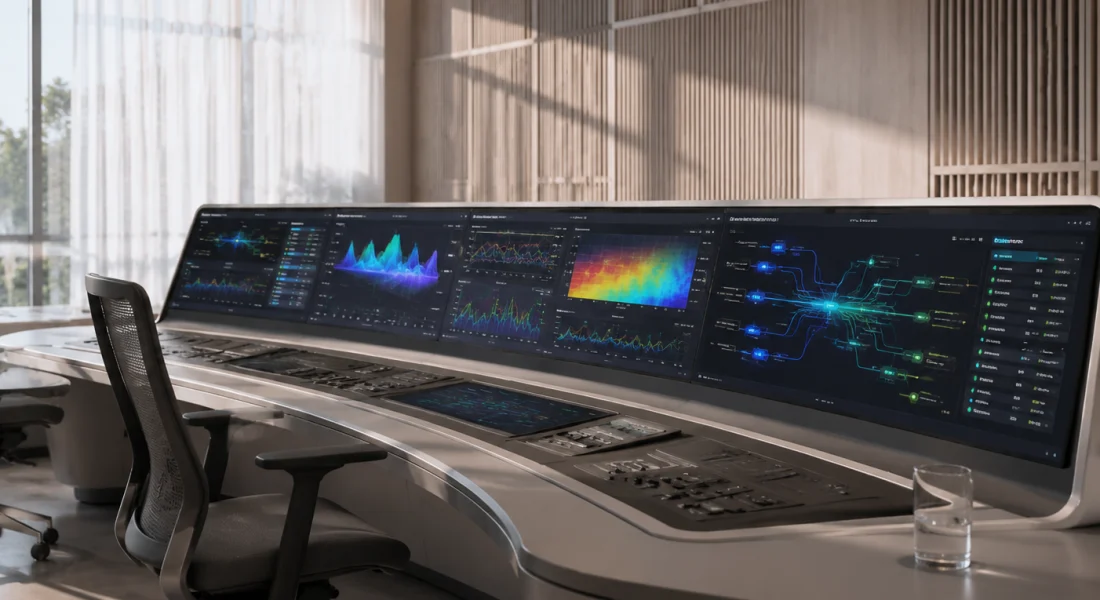
Resumo rápido: A AP Sensing oferece soluções de sensoriamento distribuído por fibra óptica para monitoramento de infraestrutura crítica, transformando fibras ópticas padrão em densas matrizes de sensores. A tecnologia se destaca na segurança perimetral, integridade de dutos e detecção de gradientes de temperatura em centenas de quilômetros, com implantações recentes, como o projeto do duto BRUA, demonstrando sua eficácia prática. Embora o aplicativo Asset Explorer simplifique a documentação de instalação, a plataforma exige investimento significativo em infraestrutura e conhecimento técnico especializado.
A tecnologia de sensoriamento acústico distribuído evoluiu de uma curiosidade de laboratório para uma ferramenta de infraestrutura de missão crítica. A AP Sensing está na vanguarda dessa transformação, oferecendo soluções de monitoramento por fibra óptica implantadas em fronteiras, oleodutos e instalações de alta segurança em todo o mundo.
Mas será que a tecnologia cumpre o que promete? Esta análise examina a plataforma da AP Sensing sob a ótica de implantações no mundo real, capacidades técnicas e limitações práticas.
O que o AP Sensing realmente faz
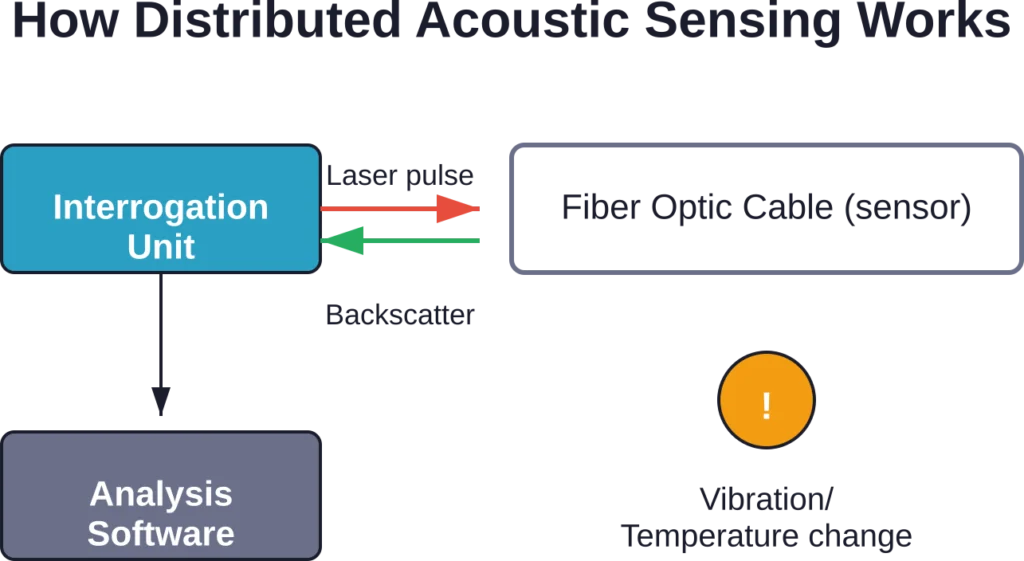
A AP Sensing converte fibras ópticas de telecomunicações padrão em matrizes contínuas de sensores. A tecnologia principal — sensoriamento acústico distribuído — envia pulsos de laser por cabos de fibra óptica e analisa a luz retroespalhada. Quando vibrações, mudanças de temperatura ou deformações afetam a fibra, os padrões de retroespalhamento se alteram.
O sistema detecta essas mudanças em tempo real. Imagine milhares de sensores individuais espaçados ao longo de uma única fibra, cada um reportando simultaneamente.
A empresa concentra-se em três áreas principais de aplicação: segurança perimetral e de fronteiras, monitoramento da integridade de dutos e proteção de infraestrutura crítica. Cada uma exige diferentes modos de sensoriamento e algoritmos de análise.
Componentes tecnológicos principais
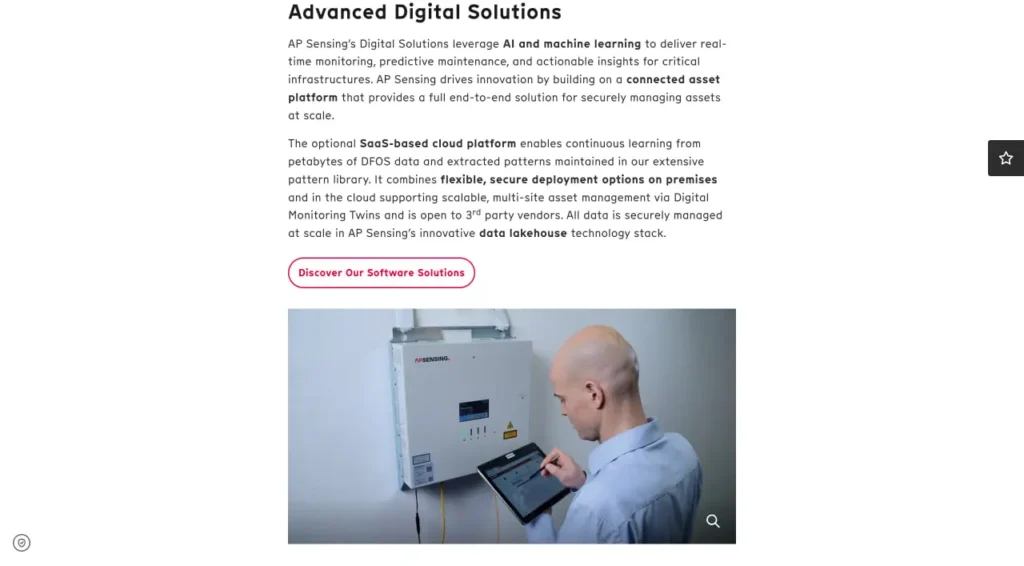
A plataforma consiste em unidades de interrogatório — hardware especializado que gera pulsos de laser e captura sinais retroespalhados — combinadas com um software de análise que interpreta os dados. Os próprios cabos de fibra óptica se tornam os sensores.
Na maioria dos casos, não é necessária fibra especial. A fibra óptica monomodo padrão de telecomunicações funciona para aplicações de sensoriamento acústico. O monitoramento de temperatura pode exigir fibra especializada, dependendo do ambiente.
O alcance varia conforme a aplicação, mas os sistemas normalmente monitoram de 40 a 50 quilômetros a partir de uma única unidade de interrogatório. Algumas configurações estendem o alcance para além de 100 quilômetros, utilizando amplificadores ópticos.
Crie modelos de IA geoespaciais personalizados com o FlyPix AI.
Projetos diferentes geralmente exigem requisitos diferentes de detecção e classificação. FlyPix IA Permite aos usuários treinar modelos de IA personalizados usando suas próprias anotações, ajudando as equipes a identificar objetos e recursos específicos em imagens geoespaciais.
Precisa de modelos de IA para um caso de uso específico?
A FlyPix AI pode ajudar com:
- detecção de objetos personalizados
- modelos de IA treinados pelo usuário
- fluxos de trabalho de classificação de imagens
- monitoramento e inspeção geoespacial
👉 Experimente o FlyPix AI Para testar modelos personalizados de IA geoespacial em seus dados.
Implantação do Pipeline BRUA: Dados Reais de Desempenho
O projeto do gasoduto BRUA recebeu o prêmio FOSA de Projeto do Ano de 2025. Essa implantação abrange quase 500 quilômetros, atravessando a Romênia, a Bulgária, a Hungria e a Áustria.
Em março, o Dr. Wissem Sfar Zaoui e o Dr. Alex de Joode, da AP Sensing, em colaboração com o Dr. Paul Dickinson, da Smart Infrastructure Solutions, compartilharam informações sobre a implementação do projeto. O projeto demonstra quatro funcionalidades de monitoramento simultâneas.
A detecção de intrusões por terceiros opera continuamente ao longo de todo o percurso. O sistema identifica atividades de escavação, aproximações de veículos e tentativas de acesso não autorizado a poucos metros do corredor do oleoduto.
O rastreamento de PIGs — monitoramento de ferramentas de inspeção que se deslocam dentro do oleoduto — funciona de forma confiável em toda a sua extensão. Os operadores recebem atualizações de posição em tempo real à medida que as ferramentas de inspeção avançam pela tubulação.
O monitoramento da integridade da fibra óptica é executado simultaneamente, identificando danos ou degradação do cabo antes que comprometam a capacidade de detecção.
A tecnologia de Detecção de Gradiente de Temperatura (DTGS) permite a detecção de vazamentos. Pequenos vazamentos criam anomalias de temperatura localizadas que o sistema detecta em poucos minutos.
Desempenho de detecção na prática
Discussões entre operadores de dutos sugerem que a confiabilidade da detecção varia de acordo com as condições do solo, a profundidade de instalação e as fontes de ruído locais. A tecnologia se destaca em ambientes rurais com vibração de fundo mínima.
Implantações em áreas urbanas enfrentam mais desafios. Tráfego, construção e atividade industrial geram sinais constantes que os algoritmos de análise precisam filtrar. As taxas de falsos positivos aumentam em ambientes com alto nível de ruído.
Dito isso, implantações em larga escala como a BRUA demonstram que a tecnologia funciona para a proteção de infraestruturas críticas quando configurada corretamente.
Explorador de ativos: a ferramenta de documentação
O aplicativo Asset Explorer está listado no Google Play, com a atualização mais recente datada de 13 de outubro de 2025. O aplicativo móvel aborda um desafio prático: documentar instalações de sensores em infraestruturas distribuídas.
O aplicativo permite que os técnicos de campo verifiquem o posicionamento da fibra, mapeiem a localização dos sensores e documentem as observações durante a instalação e os testes. Fotos, anotações e coordenadas GPS são anexadas a posições específicas ao longo do trajeto da fibra.
Os testes funcionais são realizados dentro do aplicativo. Os técnicos podem acionar eventos de teste — intrusões simuladas, mudanças de temperatura ou vibrações mecânicas — e confirmar se o sistema os detecta no local correto.
Mais de 50 instalações, de acordo com a listagem do Google Play. O aplicativo requer um sistema AP Sensing compatível e credenciais de acesso apropriadas.
Benefícios práticos da instalação
A qualidade da documentação é fundamental para a operação do sistema a longo prazo. Quando um alerta é acionado anos após a instalação, os operadores precisam de mapas precisos que mostrem a infraestrutura existente em cada local.
O Asset Explorer simplifica esse processo em comparação com os métodos de documentação manual. As equipes de campo trabalham mais rápido e o formato digital se integra aos sistemas de monitoramento central.
No entanto, o aplicativo serve principalmente às fases de instalação e comissionamento. O monitoramento operacional diário é feito por meio de um software de sala de controle separado.
Aplicações de segurança perimetral e de fronteiras
A tecnologia da AP Sensing transforma cabos de fibra óptica em sensores de detecção de intrusão para fronteiras, perímetros e instalações críticas. Isso inclui fronteiras internacionais, aeroportos, usinas de energia, centros de dados, instalações de produção, parques solares e instalações governamentais.
O sistema detecta passos, aproximação de veículos, escavações, cortes e escaladas. Algoritmos de análise distinguem os tipos de ameaça com base em padrões de vibração.
A instalação normalmente envolve o enterramento da fibra a uma profundidade de 30 a 50 centímetros ao longo do perímetro. Algumas instalações utilizam fibra montada em cercas para detecção acima do solo.
Zonas de Detecção e Resposta
A resolução espacial — a capacidade de identificar a localização exata de um evento — normalmente varia entre 1 e 10 metros, dependendo da configuração. Espaçamentos menores exigem maior poder de processamento e geram volumes de dados maiores.
O tempo de resposta para eventos acústicos situa-se na ordem de sub-segundos. A detecção baseada na temperatura (incêndio, vazamentos) responde mais lentamente, uma vez que as alterações térmicas se propagam gradualmente pelos materiais.
A integração com sistemas de gestão de segurança permite uma resposta automatizada. Intrusões detectadas acionam câmeras, iluminação, alarmes ou o envio de pessoal de segurança.
Especificações técnicas e limitações
Os sistemas de detecção da AP operam em múltiplos modos de sensoriamento. O Sensoriamento Acústico Distribuído (DAS) lida com vibração e som. O Sensoriamento de Temperatura Distribuído (DTS) mede perfis de temperatura. O Sensoriamento de Gradiente de Temperatura Distribuído (DTGS) identifica mudanças localizadas de temperatura para detecção de vazamentos.
Cada modo exige diferentes tipos de fibra e abordagens de interrogação. O DAS funciona com fibra monomodo padrão. O DTS geralmente requer fibra multimodo para um desempenho ideal. O DTGS utiliza análise especializada de espalhamento Raman.
Fatores ambientais afetam significativamente o desempenho. Temperaturas extremas, umidade, estresse mecânico e interferência eletromagnética influenciam a qualidade do sinal.
| Parâmetro | Faixa típica | Impacto da aplicação |
|---|---|---|
| Distância de detecção | 40-100+ km | Uma única unidade cobre rotas longas. |
| Resolução espacial | 1-10 metros | Precisão de localização para eventos |
| Faixa de temperatura | -40°C a +800°C | Varia de acordo com a fibra e a aplicação. |
| Tempo de resposta (acústico) | Subsegundo | Detecção de intrusão em tempo real |
| Tempo de resposta (térmico) | Minutos | Detecção de incêndio e vazamento |
Requisitos de instalação
A implantação exige um planejamento cuidadoso. O roteamento da fibra óptica deve levar em consideração o terreno, a infraestrutura existente e as possíveis fontes de interferência.
A profundidade de enterramento afeta a sensibilidade da detecção. Instalações superficiais detectam melhor os eventos na superfície, mas correm maior risco de danos. Instalações mais profundas são mais duráveis, mas podem não detectar perturbações mais leves.
A organização dos cabos é fundamental. Dobras excessivas, torções ou pontos de tensão degradam a qualidade do sinal. Equipes de instalação profissionais, familiarizadas com os requisitos de manuseio de fibra óptica, oferecem melhores resultados.
A conectividade de energia e rede é essencial. As unidades de interrogatório requerem energia estável e links de dados para os centros de controle. Locais remotos podem precisar de sistemas de energia de reserva e comunicações via satélite.
Comparação com tecnologias alternativas
A detecção distribuída por fibra óptica compete com sensores pontuais tradicionais, sistemas de radar, detectores instalados em cercas e monitoramento baseado em câmeras.
Sensores pontuais — detectores individuais colocados em locais específicos — têm um custo unitário menor, mas exigem muitas unidades para cobertura de longa distância. Sistemas de fibra óptica oferecem cobertura contínua com menos unidades de interrogatório.
O radar funciona bem em áreas abertas, mas apresenta dificuldades em terrenos com variações e obstáculos. A detecção por fibra óptica segue as rotas da infraestrutura independentemente da topografia.
Os sistemas de câmeras fornecem confirmação visual, mas exigem infraestrutura extensa e enfrentam limitações climáticas. A detecção por fibra óptica opera em neblina, escuridão e condições adversas.
Quando a detecção por fibra óptica faz sentido
Infraestruturas lineares extensas são as mais adequadas para monitoramento por fibra óptica. Oleodutos, fronteiras, linhas férreas e corredores de serviços públicos são os que mais se beneficiam da cobertura contínua.
Aplicações de alta segurança justificam o investimento. Instalações nucleares, instalações militares e infraestruturas críticas de energia frequentemente utilizam sensores de fibra óptica devido à sua confiabilidade e resistência a adulterações.
Ambientes agressivos favorecem sistemas de fibra óptica. Sensores eletrônicos falham em temperaturas extremas, atmosferas corrosivas ou ambientes com alta vibração. Cabos de fibra óptica passivos suportam condições que destroem componentes eletrônicos ativos.
Considerações sobre custos e retorno do investimento
Os preços variam significativamente de acordo com a distância percorrida, os modos de detecção necessários e a complexidade da integração. As organizações devem consultar os canais oficiais da AP Sensing para obter os preços atuais de configurações específicas.
O investimento inicial inclui unidades de interrogatório, instalação de cabos de fibra óptica, software de análise e integração com sistemas de segurança ou monitoramento existentes. Implantações em larga escala diluem esses custos ao longo de muitos quilômetros.
Os custos operacionais permanecem relativamente baixos. Os cabos de fibra óptica não requerem energia e exigem manutenção mínima. As unidades de interrogatório necessitam de calibração periódica e atualizações de software.
O retorno sobre o investimento provém principalmente da prevenção de incidentes e da resposta rápida. A detecção precoce de vazamentos evita danos ambientais e perda de produtos. A detecção de intrusões reduz a necessidade de pessoal de segurança.
Fatores de planejamento orçamentário
A escala do projeto afeta drasticamente os custos por quilômetro. Implantações pequenas, com menos de 10 quilômetros, apresentam custos relativamente mais elevados devido às despesas fixas com equipamentos. Sistemas que cobrem de 50 a 100 quilômetros alcançam uma melhor economia de escala.
A complexidade do terreno influencia os custos de instalação. Rotas abertas e acessíveis têm um custo de instrumentação menor do que caminhos montanhosos, urbanos ou subaquáticos.
Os requisitos de integração influenciam os custos de software e engenharia. Sistemas independentes custam menos do que plataformas integradas com múltiplos sistemas de terceiros.
Suporte, treinamento e ecossistema
A AP Sensing oferece suporte técnico por meio de escritórios regionais e parceiros. Os tempos de resposta e a qualidade do suporte variam conforme a localização e os termos do contrato.
Os programas de treinamento abrangem operação, manutenção e solução de problemas do sistema. O treinamento para técnicos de campo concentra-se na instalação e no comissionamento. O treinamento operacional é voltado para a equipe da sala de controle, que interpreta os dados dos sensores.
O ecossistema de parceiros inclui integradores de sistemas, empresas de instalação e especialistas em aplicações. Projetos de grande porte geralmente envolvem múltiplos parceiros coordenando a implementação.
Viabilidade a longo prazo
A participação da empresa em grandes projetos de infraestrutura sugere um apoio estável a longo prazo. A implantação do gasoduto BRUA e o reconhecimento com o prêmio FOSA indicam a confiança do setor.
No entanto, a detecção distribuída por fibra óptica continua sendo um campo especializado. Há poucos profissionais com a experiência necessária. As organizações que implementam esses sistemas precisam planejar o treinamento e a retenção do conhecimento.
Desafios de Implantação no Mundo Real
Discussões entre operadores de sensores de fibra óptica revelam desafios comuns de implantação. As taxas de falsos positivos em ambientes com alto nível de ruído lideram a lista — áreas urbanas geram vibrações constantes que disparam alertas.
O ajuste de algoritmos exige paciência e conhecimento especializado. As configurações padrão raramente funcionam de forma ideal. Os operadores passam semanas ou meses ajustando a sensibilidade, os filtros e as regras de classificação para que se adequem às condições locais.
Danos à fibra óptica durante a construção representam riscos contínuos. Escavações realizadas por terceiros perto de infraestruturas monitoradas podem romper cabos, criando falhas de cobertura. O roteamento redundante de fibra óptica atenua esse problema, mas aumenta os custos.
A complexidade da integração surpreende muitas organizações. Conectar sistemas de sensores de fibra óptica a plataformas de controle de acesso, gerenciamento de vídeo e resposta a incidentes exige trabalho de engenharia personalizado.
| Força | Limitação |
|---|---|
| Cobertura contínua de longa distância | Alto investimento inicial de capital |
| Trabalha em ambientes hostis | Requer conhecimento especializado em instalação. |
| Monitoramento multiparamétrico em tempo real | complexidade de ajuste do algoritmo |
| Comprovado em escala (BRUA: 500 km) | Maior incidência de falsos positivos em ambientes urbanos. |
| Sensores passivos, baixa manutenção | Disponibilidade limitada de técnicos de campo |
Considerações sobre segurança cibernética
De acordo com as diretrizes da CISA (atualizadas em 29 de julho de 2025), os sistemas de monitoramento de infraestrutura crítica enfrentam ameaças sofisticadas por parte de agentes maliciosos.
Os sistemas de sensoriamento por fibra óptica conectam-se a redes operacionais, criando potenciais vetores de ataque. As organizações devem implementar segmentação de rede, controles de acesso e monitoramento para a infraestrutura de sensoriamento.
A CISA recomenda manter backups offline dos dados de configuração, habilitar a autenticação multifator resistente a phishing e restringir o acesso remoto apenas a pessoal essencial.
Os sistemas de sensores AP exigem proteções semelhantes às de outros sistemas de controle industrial. Os próprios dados — padrões de vibração, perfis de temperatura, registros de eventos — podem revelar procedimentos de segurança e vulnerabilidades caso sejam comprometidos.
Padrões da Indústria e Métricas de Confiabilidade
A RFC 9912 (Arquitetura sem fio confiável e disponível, abril de 2026) estabelece conceitos de confiabilidade para sistemas críticos. Os padrões indicam que a disponibilidade 99.99% serve como base para a infraestrutura de rede.
Para a medição da confiabilidade do enlace de dados, as normas especificam metas de taxa de entrega de pacotes (PDR) de 99,999% para aplicações de missão crítica. Esses parâmetros de referência se aplicam à infraestrutura de rede que suporta sistemas de sensoriamento distribuído.
As implantações de AP Sensing devem atender ou superar esses padrões de confiabilidade para aplicações de infraestrutura crítica. Unidades de interrogatório redundantes, roteamento de fibra diversificado e sistemas de energia de reserva ajudam a alcançar alta disponibilidade.
Veredito: Onde o AP Sensing se destaca
A tecnologia AP Sensing oferece desempenho comprovado para casos de uso específicos. Ela se destaca no monitoramento de dutos, segurança de fronteiras e proteção de infraestrutura crítica, onde a cobertura contínua de longa distância justifica o investimento.
O projeto do gasoduto BRUA demonstra a capacidade prática em grande escala. Quase 500 quilômetros de monitoramento eficaz para detecção de intrusões, rastreamento de PIGs, integridade da fibra óptica e detecção de vazamentos validam a tecnologia para grandes implantações de infraestrutura.
O aplicativo Asset Explorer atende a uma necessidade real no fluxo de trabalho de instalação e comissionamento. A qualidade da documentação de campo melhora, reduzindo problemas operacionais a longo prazo.
Mas a plataforma não é universal. Implantações em pequena escala enfrentam desafios econômicos. Ambientes urbanos com alto nível de ruído de fundo exigem ajustes extensivos. As organizações precisam de conhecimento técnico e paciência durante a implantação.
Aplicações mais adequadas
Gasodutos com dezenas ou centenas de quilômetros de extensão representam implantações ideais. O custo por quilômetro torna-se razoável e o valor da detecção precoce de vazamentos é substancial.
Fronteiras nacionais e perímetros militares onde a cobertura contínua e a tolerância a ambientes hostis importam mais do que o custo.
Perímetros de centros de dados e corredores de serviços públicos onde a infraestrutura já existe ou corre paralela à instalação de fibra planeada.
Monitoramento ferroviário onde integridade dos trilhos, detecção de deslizamentos de terra e prevenção de intrusões se combinam em um único sistema.
Cenários de má adequação
Para instalações de pequeno porte com perímetro inferior a 5 quilômetros, sensores ou câmeras tradicionais provavelmente custam menos e funcionam adequadamente.
Ambientes urbanos densos sem infraestrutura de fibra óptica dedicada representam desafios devido aos custos de instalação e às taxas de falsos positivos.
Aplicações que exigem confirmação visual — a detecção por fibra óptica identifica eventos, mas não fornece imagens; a integração de câmeras aumenta a complexidade.
Organizações que não possuem pessoal técnico para gerenciar o ajuste de algoritmos e a otimização de sistemas.
Perguntas frequentes
A resolução espacial normalmente varia entre 1 e 10 metros, dependendo da configuração do sistema. Uma resolução mais alta exige maior capacidade de processamento e gera volumes de dados maiores. Para a maioria das aplicações de segurança perimetral e monitoramento de dutos, uma precisão de 5 a 10 metros é suficiente para guiar a equipe de resposta até o local do incidente.
Sim, a detecção acústica distribuída funciona com fibra óptica monomodo padrão de telecomunicações na maioria dos casos. Organizações com infraestrutura de fibra existente ao longo das rotas monitoradas podem potencialmente usar esses cabos como sensores. No entanto, a qualidade da fibra, o roteamento e os pontos de emenda afetam o desempenho. Aplicações de sensoriamento de temperatura podem exigir tipos de fibra especializados, dependendo do ambiente operacional e da faixa de temperatura.
Os cabos de fibra óptica em si requerem manutenção mínima, pois são componentes passivos que não necessitam de energia. As unidades de interrogatório precisam de calibração periódica, atualizações de software e substituição ocasional de componentes. O software de análise requer atualizações e ajustes de algoritmo conforme as condições mudam. No geral, as demandas de manutenção são menores do que em sistemas com inúmeros sensores eletrônicos ativos.
Os algoritmos de análise utilizam reconhecimento de padrões para distinguir entre eventos de ameaça e atividades benignas. Modelos de aprendizado de máquina treinados com base em condições locais melhoram a precisão da classificação. Os operadores ajustam os limites de sensibilidade, os filtros de frequência e as regras de classificação de eventos durante o período de comissionamento. Implantações urbanas com vibração de fundo constante geralmente apresentam taxas de falsos positivos mais altas do que instalações rurais e exigem ajustes mais extensos.
Rupturas ou danos severos nos cabos criam lacunas de cobertura a jusante do ponto danificado. O sistema normalmente detecta falhas na fibra imediatamente através da perda de sinal. Muitas implantações críticas utilizam roteamento de fibra redundante — múltiplos cabos seguindo caminhos diferentes — para manter a cobertura caso um cabo falhe. O tempo de reparo depende da acessibilidade ao local danificado e da disponibilidade de equipes de emenda.
Sim, mas a complexidade da integração varia. A plataforma pode disparar alertas para sistemas de gestão de segurança, ativar câmeras em locais de eventos e fornecer dados para plataformas de resposta a incidentes. No entanto, cada integração requer trabalho de engenharia personalizado para mapear formatos de dados, protocolos de comunicação e processos de fluxo de trabalho. As organizações devem reservar tempo e recursos para o desenvolvimento e teste da integração.
A capacidade de monitoramento de temperatura depende do tipo de fibra e dos requisitos da aplicação. Os sistemas padrão operam de -40 °C a +85 °C. Aplicações especializadas para altas temperaturas, utilizando sensores de fibra óptica à base de safira, podem monitorar ambientes de até 800 °C ou mesmo 1300 °C em casos extremos, como o monitoramento de motores aeronáuticos. A maioria das aplicações em dutos e infraestrutura se enquadra na faixa de temperatura padrão.
Avaliação final
A tecnologia AP Sensing evoluiu de uma ferramenta de pesquisa especializada para uma plataforma de monitoramento de infraestrutura implantável. O gasoduto BRUA e outras implementações similares em larga escala comprovam a eficácia do conceito em condições reais exigentes.
Organizações que consideram a utilização de sensores de fibra óptica devem avaliar cuidadosamente suas necessidades específicas. Infraestruturas lineares extensas, ambientes hostis e requisitos de alta segurança se alinham bem com os pontos fortes da tecnologia. Instalações menores ou aplicações que exigem confirmação visual são melhor atendidas por abordagens alternativas.
O aplicativo Asset Explorer demonstra o foco da empresa em necessidades operacionais práticas que vão além da tecnologia de sensores em si. Ferramentas de documentação e comissionamento são essenciais para o sucesso do sistema a longo prazo.
O custo continua sendo a principal barreira para uma adoção mais ampla. A viabilidade econômica melhora drasticamente em grande escala, mas pequenas implantações têm dificuldade em justificar o investimento.
Para organizações que protegem infraestruturas críticas que se estendem por dezenas ou centenas de quilômetros, a AP Sensing oferece uma capacidade comprovada de monitoramento contínuo que os sensores pontuais tradicionais não conseguem igualar. A tecnologia conquista seu lugar no conjunto de ferramentas de proteção de infraestrutura para essas aplicações exigentes.