
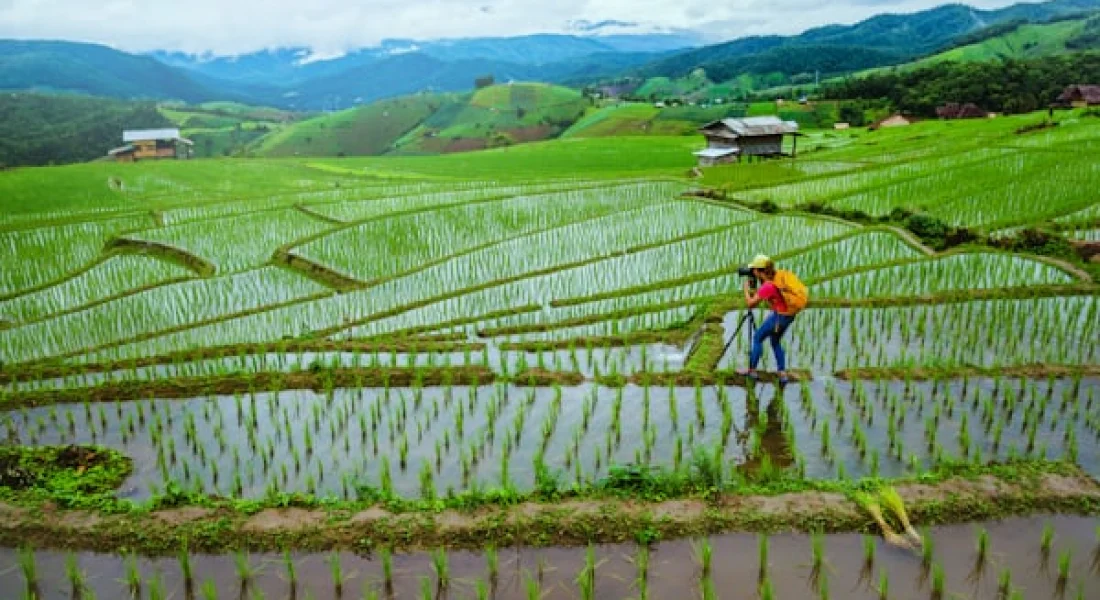
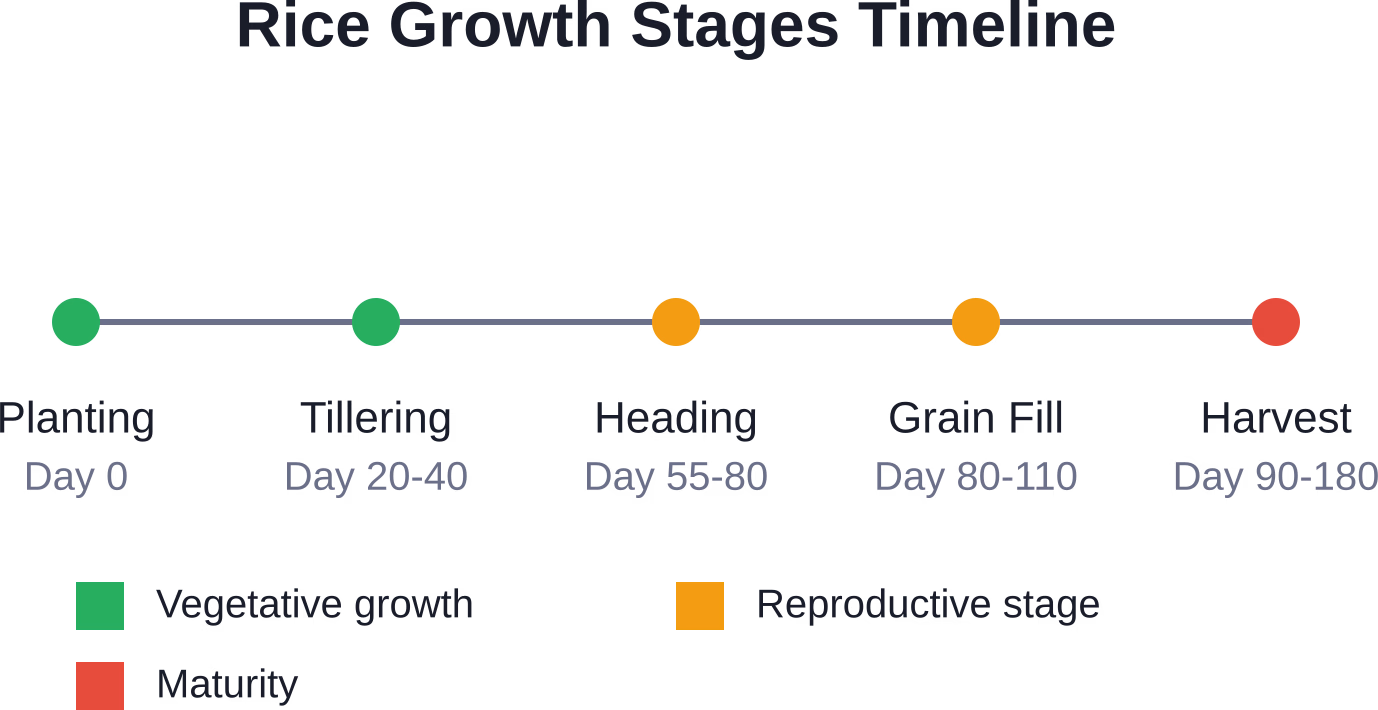
Quick Summary: Rice grows best in warm, humid conditions with consistent moisture. While traditionally flooded in paddies, upland rice varieties can be grown in well-watered garden beds. The crop takes 90-180 days from planting to harvest, requires temperatures between 70-80°F, and thrives in nutrient-rich, slightly acidic soil with pH 5.5-6.5.
Most people have eaten rice countless times but have never seen the plant growing. That’s changing. Home gardeners and small-scale farmers are rediscovering that rice cultivation isn’t just for commercial operations with flooded paddies.
Rice serves as the primary staple food for more than half the world’s population. Yet the crop remains mysterious to many growers who could actually cultivate it successfully in their own fields or backyards.
Here’s the thing though—growing rice is more accessible than most people think. The key is understanding which method suits your situation and what the plant actually needs.
Understanding Rice Basics and Growing Conditions
Rice belongs to the grass family, specifically the species Oryza sativa, which originated in Asia. The crop has adapted to various growing environments over thousands of years of cultivation.
In the United States, long-grain production accounts for approximately 75% of total rice production, medium-grain represents about 24%, and short-grain makes up the remaining 1%. Each type has different moisture characteristics when cooked, with long-grain staying separate and fluffy while medium and short grains become moist and sticky.
Temperature requirements are non-negotiable. Rice needs consistent warmth throughout its growing season, with optimal temperatures between 70-80°F. Frost will kill the plants, so timing your planting after the last spring frost is critical.
The crop thrives in full sun—at least 6-8 hours daily. Partial shade will reduce yields significantly and extend the growing period.
Soil Requirements
Rice performs best in nutrient-rich soil with a slightly acidic pH between 5.5 and 6.5. Heavy clay soils that retain moisture work exceptionally well, particularly for flooded cultivation methods.
But upland rice varieties can grow in regular garden soil, provided it’s amended with plenty of organic matter and maintained consistently moist. The soil should be fertile, so incorporating compost or well-rotted manure before planting delivers better results.
Two Primary Methods: Flooded vs. Upland Cultivation
Rice can be cultivated differently depending on water availability and field conditions. The traditional image of flooded paddies represents just one approach.
Flooded Paddy Method
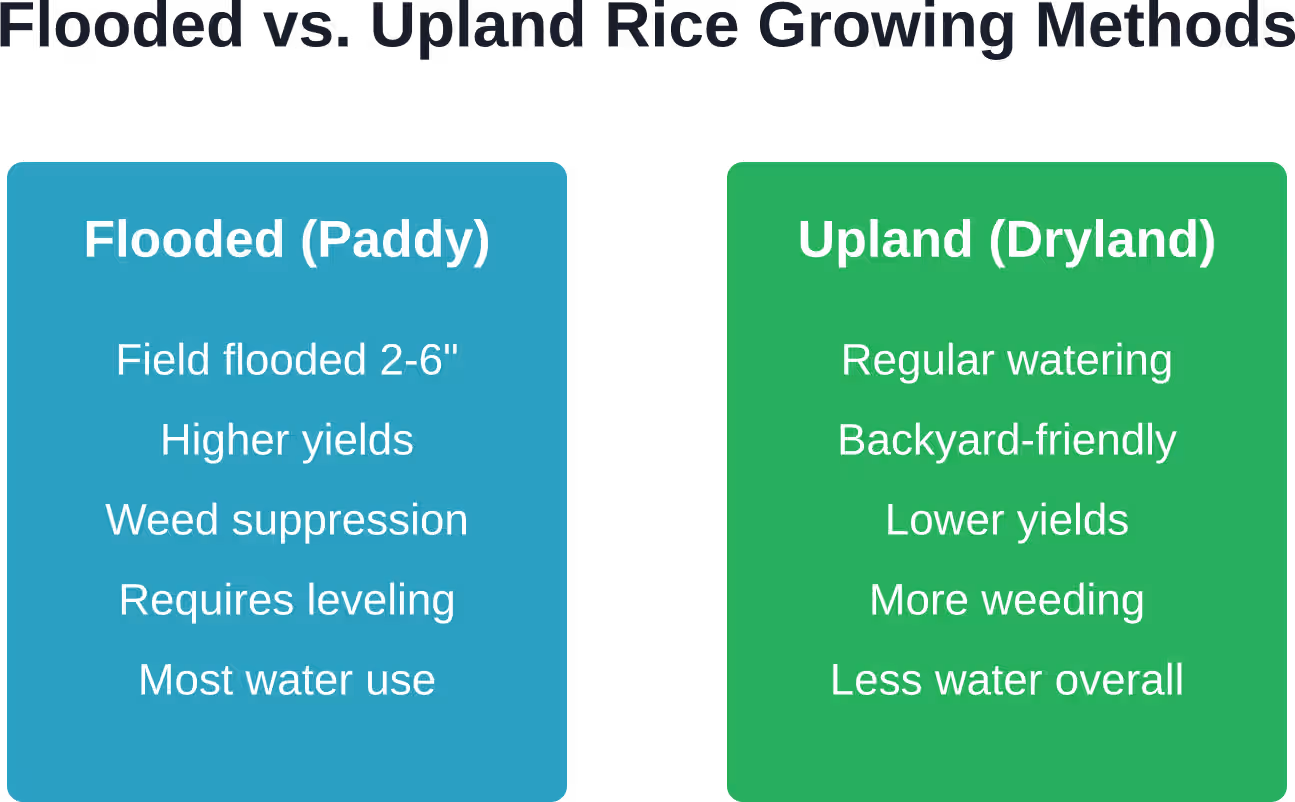
Traditional flooded cultivation involves maintaining 2-6 inches of standing water throughout most of the growing season. Fields must be leveled and bunded (surrounded by raised earth banks) to hold water.
This method produces higher yields because the standing water suppresses weeds, maintains consistent soil moisture, and moderates temperature fluctuations. High-yielding semi-dwarf varieties occupy more than 90% of the harvested area in irrigated lowland rice ecosystems worldwide.
According to the FAO, yield potential reaches around 10 tonnes per hectare in high-performing irrigated lowland rice ecosystems.
Missouri farmers using furrow irrigation systems have demonstrated significant resource efficiency. According to Missouri Extension research from the USDA Natural Resource Conservation Service, side-inlet irrigation saved 39% in energy and 60% in irrigation water compared to cascade flooding.
Upland Rice Method
Upland varieties grow without standing water, similar to wheat or other grains. The plants need consistent moisture—about one inch of water weekly—but not flooding.
This approach works perfectly for backyard gardens and small plots where creating a flooded paddy isn’t practical. The plants are attractive with arching foliage and ornamental seed heads, making them suitable for edible landscaping.
Yields run lower than flooded cultivation, but the method requires less infrastructure and total water volume. Weeding becomes more labor-intensive without water to suppress unwanted plants.

Automate Geospatial Image Review With FlyPix AI
FlyPix AI helps teams detect, monitor, and inspect objects in satellite, aerial, and drone imagery. It is used across industries including agriculture, forestry, infrastructure, construction, and government work.
For rice cultivation, this can support faster field checks across larger growing areas and make routine monitoring less dependent on manual image review.
Need Faster Geospatial Analysis?
FlyPix AI can help with:
- reviewing large image datasets
- detecting objects and visual patterns
- training models for specific inspection needs
- supporting field and land monitoring workflows
👉 Try FlyPix AI to automate image analysis.
Planting Rice: Seeds and Timing
Rice is planted from seed, either by direct seeding or by transplanting seedlings. Commercial operations typically direct seed into prepared fields, while home gardeners often start seeds indoors or in containers.
Start seeds 6-8 weeks before the last expected frost date if transplanting, or direct seed after soil temperatures consistently reach 60°F and all frost danger has passed.
Starting Seeds
Rice seeds don’t require soaking before planting, though some growers pre-sprout them. Plant seeds 1-2 inches deep in soil or seed-starting mix.
For container starts, use pots at least 4 inches deep with drainage holes. Keep soil consistently moist but not waterlogged until germination, which typically occurs within 7-10 days.
Seedlings are ready for transplanting when they reach 6-8 inches tall, usually within 3-4 weeks of germination.
Direct Seeding vs. Transplanting
Direct seeding involves broadcasting seeds across a prepared field or planting in rows. This method saves labor but requires good weed management and can result in uneven stands.
Transplanting gives each plant optimal spacing and a head start over weeds. In traditional cultivation systems, seedlings are transplanted at specific spacing—typically 20 cm x 20 cm—to maximize yield while allowing adequate air circulation.
Plant spacing in home gardens can be slightly wider (8-10 inches) for easier maintenance and adequate airflow.
Growing Season Care and Management
Once established, rice plants need consistent attention to water, nutrients, and pest management throughout their growing period of 90-180 days, depending on variety.
Irrigation Management
For flooded rice, establish standing water 2-4 weeks after transplanting or when plants are well-established from direct seeding. Maintain 2-6 inches of water depth through the growing season.
Drain fields approximately 2-3 weeks before harvest to allow the soil to dry and facilitate equipment access.
Alternative water management shows promise for sustainability. Studies have documented that alternating wetting and drying cycles can significantly reduce methane emissions compared to continuous flooding while maintaining yields.
For upland rice, provide approximately one inch of water per week through rainfall or irrigation. Soil should remain consistently moist but not saturated. Mulching around plants helps retain moisture and suppress weeds.
Fertilization
Rice is a heavy feeder, particularly demanding nitrogen during vegetative growth stages. Apply a balanced fertilizer at planting, then side-dress with nitrogen when plants begin active tillering (producing additional shoots from the base).
A second nitrogen application during the reproductive stage (when panicles begin forming) supports grain development. Avoid excessive nitrogen late in the season, which can delay maturity and increase lodging (plants falling over).
Weed and Pest Management
Flooded fields naturally suppress many weed species that can’t tolerate standing water. Upland rice requires regular cultivation or mulching to manage weeds.
Common pests include rice water weevils, stem borers, and stink bugs. Integrated pest management approaches combining cultural practices, resistant varieties, and targeted treatments when necessary provide the most sustainable control.
Birds can become a significant problem as grain matures. Netting, scare devices, or physical barriers may be necessary to protect crops in the final weeks before harvest.
Recognizing Maturity and Harvest Timing
Rice is ready for harvest when grains have hardened and hulls turn golden or brown, depending on variety. The entire plant typically turns from green to golden-yellow.
Check grain maturity by removing a few seeds and biting them. Mature rice grains are hard and resistant to tooth pressure. If they’re still soft or milky, the crop needs more time.
Moisture content at harvest matters significantly for storage quality. Commercial operations harvest when grain moisture reaches 18-22%, then dry it to 12-14% for long-term storage.
Small-scale growers can cut stalks when grains are mature, bundle them, and hang them in a dry, well-ventilated location to complete drying naturally.
Harvesting and Post-Harvest Processing
Commercial rice harvest uses specialized combines that cut, thresh, and collect grain in one pass. The equipment is then followed by careful drying to prevent spoilage.
For small-scale operations and home gardens, cut stalks near the base with a sharp sickle, scythe, or pruners. Gather into bundles and hang or stack to dry for 2-3 weeks.
Threshing and Winnowing
Once fully dry, rice must be threshed to separate grains from stalks and panicles. Traditional methods involve beating bundles against a hard surface or inside a barrel, or stomping the stalks.
After threshing, winnowing removes chaff and lighter debris. Pour the rice slowly from one container to another in front of a fan or in a breeze—the lighter chaff blows away while heavier grains fall into the container.
Hulling
Rice as harvested is “paddy rice” or “rough rice,” still covered by the inedible hull. Removing this hull produces brown rice.
Small-scale hulling can be done with a mortar and pestle, though it’s labor-intensive. Rice mills use specialized equipment for efficient hull removal. Further processing removes the bran layer to produce white rice.
Sustainable Rice Production Practices
Rice cultivation has environmental considerations, particularly regarding water use and methane emissions from flooded fields. Modern practices address these concerns.
Yield growth has improved substantially through varietal development and agronomic advances. In Asia, rice yield growth rates increased from 1.88% per year in the 1970s to 2.86% per year during the 1980s as improved varieties and management practices spread.
| Practice | Benefit | Implementation |
|---|---|---|
| Alternate Wetting/Drying | Significant methane emission reduction | Drain and dry fields periodically during growth |
| Side-Inlet Irrigation | 39% energy, 60% water savings | Use controlled field inlets vs. cascade flooding |
| Precision Fertilization | Reduced nutrient runoff | Apply based on soil tests and growth stage |
| Integrated Pest Management | Lower pesticide use | Combine cultural, biological, chemical controls |
Hybrid rice development has pushed yield boundaries further. The development of semi-dwarf varieties containing the sd1 gene revolutionized production. These varieties resist lodging under high fertility, allowing farmers to apply more nutrients without plants falling over before harvest.
Rice Production by Region
Rice cultivation spans diverse climates and systems globally. In the United States, production varies considerably by state, with Arkansas serving as a major producer. U.S. rice production has experienced fluctuations in recent years due to weather conditions and acreage changes.
About 30% of Missouri rice is currently produced with furrow irrigation rather than traditional flooding, demonstrating the adaptability of modern production systems.
Common Challenges and Solutions
Several obstacles face rice growers, though most have practical solutions.
Insufficient heat: Rice demands warm conditions. In marginal climates, choose short-season varieties and use season extension techniques like row covers or plastic mulch to warm soil earlier.
Inconsistent water: Whether growing flooded or upland rice, water availability is critical. Install irrigation systems or choose locations with reliable water access before committing to rice production.
Bird damage: As grain ripens, birds can devastate a crop quickly. Deploy netting, reflective tape, or noise makers as grain begins to fill. Vigilance in the final 2-3 weeks prevents losses.
Weed competition: Upland rice faces more weed pressure than flooded crops. Maintain mulch, cultivate regularly, or consider converting to a flooded system if weeds become unmanageable.
Getting Started With Rice Cultivation
Rice cultivation offers home gardeners and farmers an opportunity to grow a crop that feeds billions while learning traditional agricultural methods adapted for modern conditions.
Start small. A 10×10 foot plot or even a few containers can produce a meaningful harvest while teaching the crop’s requirements and rhythm. Upland varieties make the most sense for first-time growers without the infrastructure for flooding.
Source seeds from specialty suppliers or university extension programs rather than trying to plant rice from the grocery store, which may be treated or processed in ways that prevent germination. Look for varieties adapted to your climate and growing season length.
Track what works. Note planting dates, water requirements, and yields. Rice cultivation techniques improve dramatically with experience as growers learn their specific conditions.
Whether growing a small backyard plot for education and fresh grain or considering larger-scale production, rice remains a fascinating crop that connects modern gardens to ancient agricultural traditions practiced across the globe.
Ready to try growing rice? Start with upland varieties this season, maintain consistent moisture, and watch as this remarkable grain transforms from seed to harvest in your own garden.
Frequently Asked Questions
Yes. Upland rice varieties grow without standing water, needing only consistent moisture similar to other garden vegetables. These varieties work well in backyard gardens with regular watering of about one inch per week. Yields may be lower than flooded cultivation, but the method requires less infrastructure.
Rice typically requires 90-180 days from planting to harvest, depending on variety. Short-season varieties mature in 90-120 days, while long-season types need 150-180 days. Cooler temperatures extend the growing period, while consistently warm conditions speed maturity.
Rice requires warm conditions, with optimal growth at 70-80°F. The crop cannot tolerate frost and stops growing when temperatures drop below 60°F. Consistent warmth throughout the growing season is essential for good yields and proper grain development.
Flooded rice maintains 2-6 inches of standing water for most of the season, which seems like high water use. However, research shows that efficient systems like side-inlet irrigation can save 60% of water compared to traditional cascade flooding. Upland rice needs about one inch per week, similar to corn or beans.
Commercial operations use specialized combines, but small-scale growers can harvest with basic tools. Cut mature stalks with a sickle, scythe, or sharp pruners. Thresh by beating bundles or stomping them. Winnow using a fan to blow away chaff. The most challenging part is removing hulls, which may require a small mill or labor-intensive hand processing.
After removing the inedible hull from harvested paddy rice, the result is brown rice—the whole grain with bran layers intact. White rice is brown rice with the bran polished away. Brown rice is more nutritious but has a shorter shelf life. White rice stores longer and cooks faster but loses some nutrients during processing.
Rice cultivation adapts well to organic methods. Flooded fields naturally suppress many weeds without herbicides. Organic fertilizers like compost provide nutrients, though timing applications correctly requires more attention. Integrated pest management using cultural practices and biological controls handles most pest issues. Organic rice production is expanding as consumer demand increases.