

Quick Summary: The ADTS Track Imaging System is a high-resolution inspection tool designed for railway infrastructure monitoring, combining advanced imaging technology with AI-powered defect detection. Installed on railway inspection trolleys, the system provides objective, accurate assessments of track conditions, rails, fasteners, and sleepers. Real-world implementations demonstrate how this technology transforms maintenance workflows by replacing subjective manual inspections with data-driven analysis.
Railway infrastructure safety depends on consistent, accurate track inspections. Traditional manual inspection methods introduce variability, subjective assessments, and the potential for human error when operators examine thousands of kilometers of track under time pressure.
ADTS has developed a Track Imaging System that addresses these challenges head-on. By mounting high-resolution imaging equipment on railway inspection trolleys, the system captures detailed visual data of track conditions while simultaneously applying AI-powered analysis to identify defects in real-time.
This review examines the ADTS Track Imaging System from multiple angles—technical capabilities, real-world performance, integration requirements, and how it compares to traditional inspection methods.
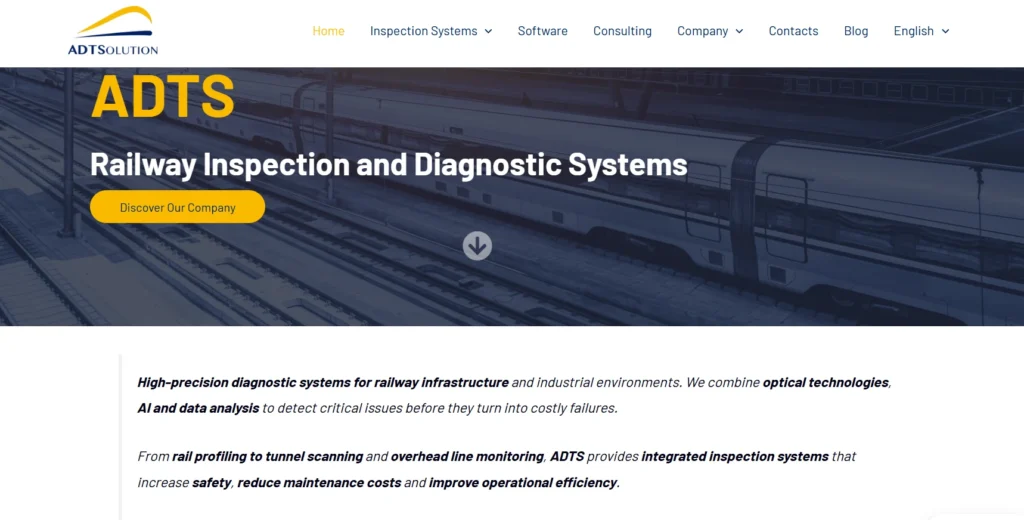
What Makes the ADTS Track Imaging System Different
The railway inspection market isn’t new. Manual inspection teams have walked tracks for decades, and various imaging technologies have emerged over the years. So what sets the ADTS solution apart?
The system integrates directly onto existing railway inspection trolleys rather than requiring entirely new infrastructure. This trolley-mounted approach means railway operators can upgrade their current inspection workflows without replacing their entire equipment fleet.
High-resolution imaging captures track details at speeds matching standard inspection procedures. The cameras document rails, fasteners, sleepers, and surrounding infrastructure components with sufficient clarity for post-inspection analysis.
Core Technical Components
The ADTS Track Imaging System combines several technical elements working in coordination. Multiple high-resolution cameras mount at precise angles to capture comprehensive track coverage. Positioning sensors synchronize image capture with the trolley’s movement, ensuring consistent spatial data.
Onboard processing hardware handles initial image analysis. Storage systems archive raw imagery for later review while the AI detection algorithms flag potential defects in real-time during inspections.
Lighting systems integrated into the trolley setup ensure consistent illumination regardless of time of day or ambient conditions. This controlled lighting eliminates shadows and reflections that might obscure defects.
AI-Powered Defect Detection
The artificial intelligence layer represents where the ADTS system moves beyond simple image capture. Machine learning models trained on thousands of track images can identify defect patterns that might escape human attention during routine inspections.
The AI detection algorithms analyze rail surface conditions, fastener integrity, sleeper positioning, and geometric alignment. When the system identifies potential issues, it flags the specific location with GPS coordinates and timestamps for maintenance team follow-up.
Recent developments in AI diagnostic accuracy are noteworthy. According to research from UC San Diego, an AI tool analyzing medical imaging achieved 81% accuracy in identifying the urethra on MRI scans, compared to 34% for physician contours. While this research focused on medical imaging rather than railway inspection, it demonstrates the potential accuracy advantages AI brings to image analysis tasks.
That said, the ADTS system doesn’t replace human judgment entirely. Inspection teams still review flagged items and make final decisions on maintenance priorities. The AI serves as a screening tool that catches potential issues before they become critical failures.
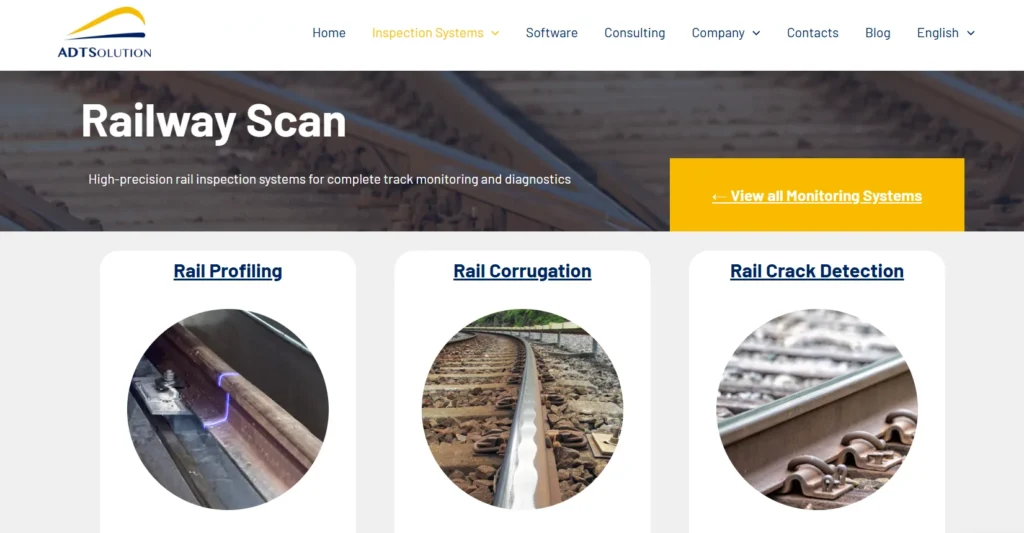
Railway Inspection Trolley Integration
A key advantage of the ADTS approach lies in how the system mounts onto railway inspection trolleys. These trolleys are already standard equipment for infrastructure operators, making the integration process more straightforward than deploying entirely new vehicles.
The mounting hardware secures cameras at optimized angles to capture track components without creating blind spots. Cable management systems protect connections from vibration and environmental exposure during operation.
Installation and Setup Process
Installing the ADTS Track Imaging System on an inspection trolley typically requires coordination between ADTS technical staff and the railway operator’s maintenance team. The process involves mechanical mounting, electrical integration, camera calibration, and system testing.
Once mounted, the cameras need precise alignment to ensure consistent image capture across the track width. Calibration procedures establish baseline settings for lighting, focus, and detection sensitivity.
The setup process also includes integrating the imaging system with existing trolley controls. Operators need straightforward interfaces to start inspections, monitor system status during runs, and access captured data afterward.
Operational Workflow Changes
Implementing the ADTS system shifts how inspection teams conduct their daily work. Instead of manually examining every meter of track visually, operators run the trolley at consistent speeds while the imaging system captures data automatically.
This doesn’t mean inspections happen faster necessarily—thorough coverage still requires methodical trolley operation. But it does mean human attention can focus on operating the trolley safely rather than trying to spot every potential defect in real-time.
After completing an inspection run, teams review the AI-flagged items and archived imagery. This post-inspection analysis phase allows for more detailed examination of potential issues without time pressure.
Detection Capabilities and Accuracy
What can the ADTS Track Imaging System actually detect? The answer depends on defect type, severity, and imaging conditions, but the system targets several categories of track issues.
| Detection Category | Defect Types Identified | Typical Use Case |
|---|---|---|
| Rail Surface | Cracks, wear patterns, corrosion, shelling | Early warning for rail replacement needs |
| Fastener Integrity | Missing clips, loose bolts, damaged plates | Preventing track geometry degradation |
| Sleeper Condition | Cracks, deterioration, displacement | Foundation stability monitoring |
| Track Geometry | Gauge variations, alignment deviations | Ride quality and safety compliance |
Detection accuracy varies by defect type and imaging conditions. Surface defects with clear visual signatures generally achieve higher detection rates than subtle geometric variations.
Comparing Automated Detection to Manual Inspection
How does AI-assisted detection stack up against experienced human inspectors? The comparison isn’t straightforward because each approach has different strengths.
Human inspectors bring contextual judgment and can assess ambiguous situations based on experience. They recognize patterns that might not fit neatly into algorithmic categories. However, human attention fluctuates, fatigue impacts performance, and consistency varies between individuals.
Automated systems maintain consistent detection criteria regardless of inspection duration or environmental conditions. They don’t suffer fatigue or distraction. But they can struggle with edge cases or unusual defect presentations that fall outside their training data.
The ADTS approach combines both: AI provides consistent screening while human review adds contextual judgment. This hybrid model aims to capture the advantages of both methods while mitigating their respective limitations.
Data Management and Traceability
Railway infrastructure monitoring generates substantial data volumes. Every inspection run produces thousands of high-resolution images, GPS coordinates, timestamps, and AI analysis results. Managing this data effectively becomes crucial for long-term infrastructure management.
The ADTS Track Imaging System includes data management features designed to handle these requirements. Images are archived with associated metadata, making it possible to retrieve specific track sections from past inspections.
Historical Comparison Capabilities
One significant advantage of systematic imaging is the ability to compare track conditions over time. Maintenance teams can pull up images from the same track section across multiple inspection dates to assess deterioration rates.
This historical perspective helps prioritize maintenance spending. Sections showing rapid deterioration patterns might warrant earlier intervention, while slowly degrading areas can remain in the monitoring queue.
The traceability aspect matters for regulatory compliance as well. Railway operators must often document inspection activities and demonstrate due diligence in infrastructure maintenance. Archived imaging data with timestamps and GPS coordinates provides objective records of inspection coverage.
Integration With Maintenance Management Systems
The ADTS system generates inspection data, but that data needs to flow into maintenance planning workflows. Integration with existing maintenance management systems allows defects flagged by the imaging system to generate work orders automatically.
API connections and data export formats enable this integration, though specific implementation details vary by operator. The goal is seamless data flow from detection through maintenance execution without manual data re-entry.

Add Geospatial Detection to Imaging Workflows
ADTS Track Imaging System is tied to imaging, tracking, and visual inspection workflows. FlyPix AI can support teams that need to analyze large-scale geospatial imagery, identify visible objects, and review site conditions across mapped locations.
FlyPix AI can help when imaging work involves aerial or satellite data:
- Detecting vehicles, buildings, equipment, roads, or other visible assets
- Reviewing site layouts and surface conditions from above
- Segmenting objects and areas within geospatial imagery
- Training custom AI models for project-specific detection tasks
Reach out to FlyPix AI to explore how geospatial image analysis can support your tracking and imaging workflow.
Real-World Implementation: What to Expect
Moving from traditional inspection methods to an integrated imaging system represents a significant operational change. What does implementation look like in practice?
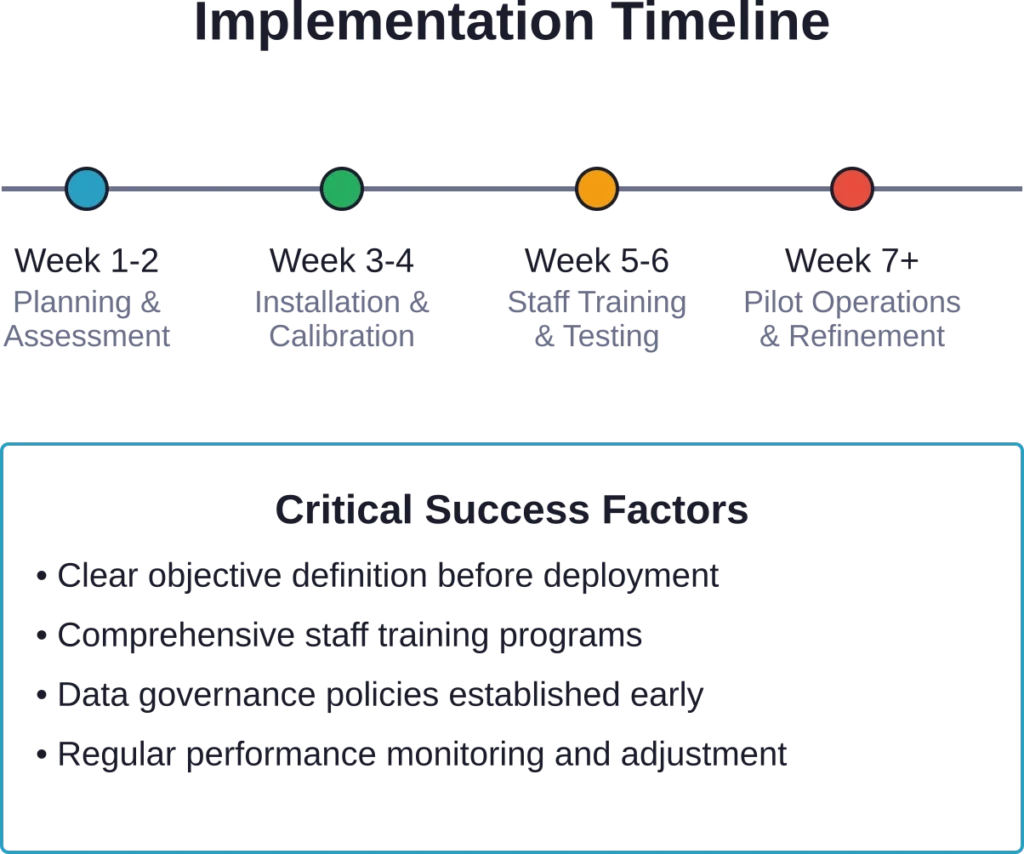
Railway operators considering the ADTS Track Imaging System typically start with pilot projects on specific track sections. This phased approach allows teams to develop operational procedures, train staff, and validate system performance before full-scale deployment.
Training Requirements
Inspection personnel need training on system operation, data review procedures, and maintenance protocols. The training covers trolley-mounted equipment operation, understanding AI detection outputs, and making maintenance decisions based on imaging data.
IT staff require training on data management systems, backup procedures, and troubleshooting. Since the system generates substantial data volumes, establishing reliable data handling processes early prevents problems down the line.
Maintenance and System Upkeep
Like any sophisticated equipment, the ADTS Track Imaging System requires ongoing maintenance. Cameras need periodic cleaning to remove dust and debris that could degrade image quality. Calibration checks ensure consistent performance over time.
Software updates periodically enhance AI detection capabilities as algorithms improve. These updates typically install during scheduled maintenance windows to avoid disrupting inspection operations.
Hardware components have expected service lives. Understanding replacement cycles for cameras, lighting systems, and processing hardware helps operators plan maintenance budgets.
Technology Context: Imaging Systems in 2026
The ADTS Track Imaging System exists within a broader landscape of imaging and monitoring technologies evolving rapidly in 2026. Understanding this context helps assess where the system fits in the current technological environment.
According to MIT research, WITEC is developing wearable ultrasound imaging systems with the goal of enabling up to 48-hour intermittent imaging capabilities for continuous monitoring of chronic conditions. While this specific technology applies to medical rather than railway contexts, it demonstrates the trend toward extended-duration automated monitoring across industries.
Research from institutions like UMass Amherst shows continued investment in wearable monitoring technology. The university received a $10 million catalyst fund from a major technology company to support innovation at the intersection of technology and health. These developments signal broader momentum toward automated, continuous monitoring systems replacing episodic manual checks.
In AI diagnostic accuracy, recent data from New York Institute of Technology revealed a 20% fundamental diagnostic error rate across general-use AI models analyzing medical images as of March 2026. This research emphasizes an important distinction: specialized AI systems trained for specific tasks generally outperform general-purpose models significantly.
The ADTS Track Imaging System employs task-specific AI trained specifically on railway infrastructure defects rather than general image recognition. This specialization matters for accuracy and reliability in operational environments.
Limitations and Considerations
No technology solves every problem perfectly. The ADTS Track Imaging System has limitations worth understanding before implementation.
Weather and Environmental Factors
Image quality depends on consistent lighting conditions. While the system includes controlled lighting to mitigate ambient variations, extreme weather conditions can still impact performance. Heavy rain, snow, or fog may degrade image clarity enough to affect detection accuracy.
Operators typically schedule inspections during favorable weather when possible. For networks requiring year-round inspection coverage, understanding seasonal performance variations helps set appropriate expectations.
Detection Boundaries
The AI detection algorithms work well for defect types represented in their training data. Novel defect patterns or unusual failure modes might not trigger detection alerts until the algorithms receive additional training.
This limitation isn’t unique to ADTS—it applies to all AI detection systems. It means human review remains essential rather than optional, especially when encountering unexpected situations.
Initial Investment Considerations
Implementing a comprehensive track imaging system requires upfront investment in equipment, installation, training, and process development. Organizations need to evaluate this investment against projected benefits in improved maintenance efficiency, reduced emergency repairs, and enhanced safety outcomes.
The business case depends on factors like network size, current inspection costs, and maintenance history. Larger networks with higher inspection frequencies typically achieve better returns on imaging system investments.
Comparative Analysis: ADTS vs. Alternative Approaches
Railway operators have several options for track inspection beyond the ADTS Track Imaging System. How do these alternatives compare?
| Inspection Approach | Key Advantages | Primary Limitations |
|---|---|---|
| Manual Walking Inspection | No equipment required, direct tactile assessment | Labor intensive, consistency varies, fatigue effects |
| Vehicle-Mounted Systems | High-speed coverage, broad network inspection | Higher cost, requires specialized vehicles |
| ADTS Trolley System | Integrates with existing equipment, AI detection | Trolley speed limitations, upfront investment |
| Drone Inspection | Aerial perspective, access to difficult areas | Regulatory constraints, limited detail resolution |
Each approach suits different operational contexts. Manual inspection remains viable for small networks or specialized assessments. Vehicle-mounted systems make sense for high-speed mainlines requiring frequent monitoring. The ADTS trolley-mounted approach fits operators seeking to upgrade existing inspection programs without replacing entire vehicle fleets.
Future Development Directions
Railway inspection technology continues evolving. Where might the ADTS Track Imaging System head in future iterations?
Higher resolution imaging sensors could capture even finer detail, enabling detection of smaller defects at earlier stages. Advances in camera technology and image processing might make this feasible without proportionally increasing data storage requirements.
Expanded AI training datasets could broaden detection capabilities to cover additional defect types and failure modes. As operators accumulate more inspection data, those datasets become valuable resources for improving algorithm accuracy.
Real-time data transmission could enable immediate notification of critical defects to maintenance dispatch centers. Rather than waiting for post-inspection review, urgent issues would trigger alerts as soon as the system detects them during inspection runs.
Integration with other monitoring systems might create comprehensive infrastructure management platforms. Combining track imaging data with structural monitoring, environmental sensors, and traffic management systems could provide holistic network visibility.
Implementation Best Practices
Organizations successfully implementing the ADTS Track Imaging System share certain approaches that maximize return on investment and operational effectiveness.
Start With Clear Objectives
Define specific goals for the imaging system before installation. Are you primarily focused on reducing emergency maintenance incidents? Extending infrastructure service life? Improving inspection documentation for regulatory compliance? Clear objectives guide implementation decisions and help measure success.
Invest in Training Early
Comprehensive staff training before full deployment pays dividends. Inspection teams confident in system operation and data interpretation integrate the technology more smoothly into existing workflows. Rushed training often leads to suboptimal utilization and frustration.
Establish Data Governance
Create clear policies for data retention, archival procedures, and access controls before accumulating large image databases. These policies prevent data management from becoming overwhelming as inspection volumes grow.
Plan Maintenance Schedules
Regular system maintenance preserves performance and extends equipment life. Scheduled cleaning, calibration checks, and software updates should integrate into broader maintenance planning rather than happening reactively.
Monitor Performance Metrics
Track key performance indicators like detection accuracy rates, false positive frequencies, and maintenance response times. These metrics reveal how effectively the system integrates into operational workflows and where adjustments might improve outcomes.
User Experience and Operational Feedback
Community discussions around monitoring and tracking systems reveal common themes that apply to railway inspection technology adoption.
Many users emphasize the importance of balancing automated monitoring with practical usability. Systems that generate excessive false positives create alert fatigue, where operators begin ignoring notifications because most turn out to be non-issues.
The ADTS system addresses this through adjustable detection sensitivity and human review workflows. Rather than automatically triggering maintenance for every detected anomaly, the system flags items for expert assessment, reducing unnecessary interventions.
Another common discussion point involves data access and reporting. Inspection teams value straightforward interfaces for reviewing flagged defects and accessing historical imagery. Overly complex systems with steep learning curves face adoption resistance regardless of their technical capabilities.
Cost Considerations and ROI Analysis
Financial analysis for track imaging systems involves comparing implementation costs against projected savings from improved maintenance efficiency and reduced emergency repairs.
Implementation costs include equipment purchase, installation labor, staff training, and initial process development. Organizations should also factor in ongoing costs for system maintenance, software updates, and data storage infrastructure.
Potential returns come from several sources. Early defect detection prevents minor issues from escalating into major failures requiring emergency repairs and service disruptions. Better maintenance prioritization focuses resources on sections with genuine needs rather than spreading budgets thinly across entire networks.
Improved inspection documentation can reduce regulatory compliance costs and liability exposure. Objective imagery provides clear records of infrastructure conditions and inspection activities.
The specific ROI varies significantly by organization size, network characteristics, and current inspection costs. Larger operators with extensive networks typically achieve payback within shorter timeframes due to economies of scale.
Regulatory Compliance and Standards
Railway infrastructure inspection must satisfy regulatory requirements that vary by jurisdiction. The ADTS Track Imaging System can support compliance with inspection frequency, documentation, and reporting standards.
Image archives with timestamps and GPS coordinates provide objective evidence of inspection coverage. When regulators require proof that specific track sections received inspection within mandated timeframes, archived data supplies definitive records.
Some jurisdictions have begun recognizing automated inspection methods as compliant with traditional manual inspection requirements. Others maintain requirements for human-performed inspections regardless of available technology. Understanding local regulatory frameworks helps determine how imaging systems fit into compliance strategies.
Technical Support and Service
Implementation success depends partly on available technical support throughout the system lifecycle. ADTS provides support services for equipment installation, troubleshooting, and ongoing optimization.
Initial installation support typically includes onsite assistance from ADTS technical staff who ensure proper mounting, calibration, and system testing. This hands-on support helps avoid configuration issues that might compromise performance.
Ongoing technical support addresses operational questions, software updates, and troubleshooting when issues arise. Response times and support channels vary depending on service agreements, so organizations should clarify these details during procurement.
Frequently Asked Questions
The system detects surface defects in rails (cracks, wear, corrosion), fastener issues (missing clips, loose components), sleeper problems (cracks, deterioration), and track geometry variations. Detection accuracy varies by defect type, with visually distinct surface issues generally achieving higher identification rates than subtle geometric deviations.
The imaging equipment mounts directly onto standard railway inspection trolleys using specialized hardware. Installation involves mechanical mounting, electrical integration, camera calibration, and system testing. The process typically requires coordination between ADTS technical staff and the operator’s maintenance team, with installation and calibration taking approximately 2-4 weeks depending on trolley configuration.
The system includes controlled lighting to maintain consistent imaging conditions, but extreme weather (heavy rain, snow, dense fog) can degrade image quality and affect detection accuracy. Operators typically schedule inspections during favorable weather when possible. For networks requiring year-round coverage, understanding seasonal performance variations helps set appropriate expectations for detection reliability.
Staff require training on trolley-mounted equipment operation, data review procedures, and maintenance decision-making based on imaging outputs. Training covers understanding AI detection results, accessing historical imagery, and integrating findings into maintenance workflows. Comprehensive training typically takes 1-2 weeks depending on personnel experience with similar systems.
Storage requirements depend on network size, inspection frequency, and image resolution settings. A typical inspection run generates thousands of high-resolution images with associated metadata. Organizations should plan for substantial storage capacity and establish data archival policies before deployment. Specific storage needs vary by implementation but generally require enterprise-grade storage infrastructure for networks exceeding several hundred kilometers.
No. The ADTS Track Imaging System augments rather than replaces human judgment. AI provides consistent screening and flags potential defects, but inspection teams still review flagged items and make final maintenance decisions. This hybrid approach combines automated detection consistency with human contextual judgment for optimal results.
Hardware components like cameras, lighting systems, and processing equipment have typical service lives of 5-7 years depending on operating conditions and maintenance practices. Regular cleaning, calibration checks, and protective measures extend equipment longevity. Software and AI algorithms receive periodic updates throughout the hardware lifecycle, enhancing capabilities without requiring complete system replacement.
Conclusion: Is the ADTS Track Imaging System Right for Your Network?
The ADTS Track Imaging System represents a significant advancement in railway infrastructure inspection methodology. By combining high-resolution imaging with AI-powered defect detection on trolley-mounted platforms, it addresses key limitations of traditional manual inspection approaches.
The system excels at providing consistent, objective track condition assessment with comprehensive documentation for regulatory compliance and historical analysis. Organizations with extensive networks, high inspection frequencies, or challenges maintaining inspection consistency stand to benefit most from implementation.
That said, the system isn’t a universal solution. Smaller networks with limited inspection requirements might not justify the investment. Organizations without technical capacity to manage imaging data and system maintenance should carefully assess readiness before proceeding.
Real talk: successful implementation requires more than just purchasing equipment. It demands clear objectives, comprehensive training, established data governance, and commitment to integrating automated detection into maintenance workflows. Organizations approaching implementation with these foundations position themselves for meaningful operational improvements.
For railway operators evaluating infrastructure inspection upgrades, the ADTS Track Imaging System deserves serious consideration. It won’t solve every challenge, but it can transform how maintenance teams identify, prioritize, and address track defects before they become critical failures.
Ready to explore how track imaging technology could transform your inspection program? Visit the official ADTS website for detailed technical specifications, case studies, and consultation on implementation options for your specific network requirements.