
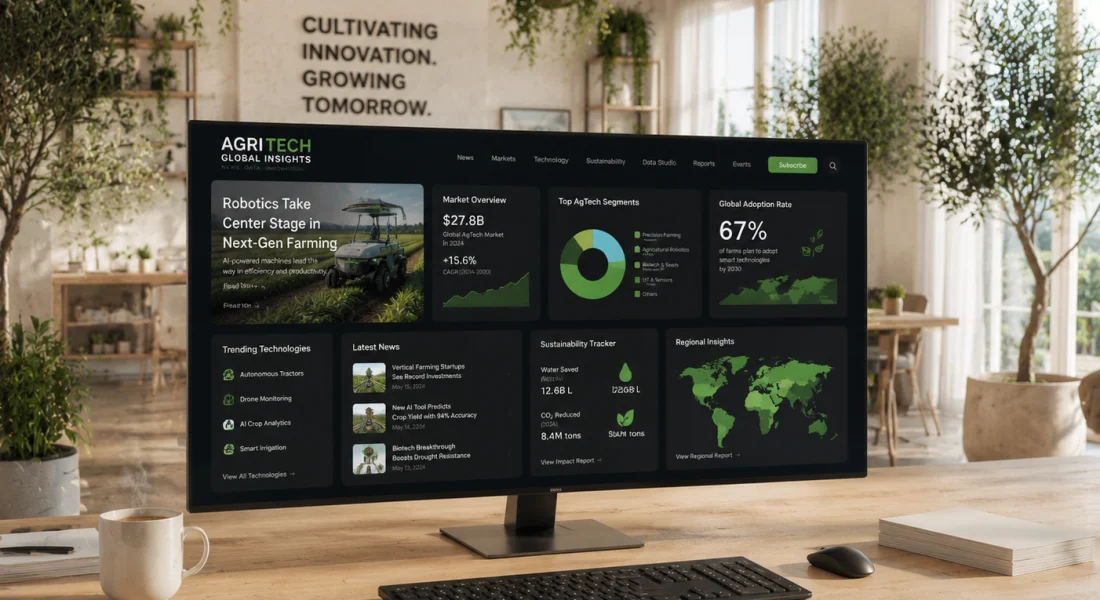
त्वरित सारांश: एग्रीटेक टुमॉरो एक प्रमुख कृषि प्रौद्योगिकी समाचार मंच और संसाधन केंद्र है जो सटीक खेती, रोबोटिक्स, एआई और टिकाऊ कृषि नवाचारों को कवर करता है। यह मंच उद्योग की जानकारी, विशेषज्ञ लेख, प्रौद्योगिकी समीक्षा और किसानों और कृषि प्रौद्योगिकी पेशेवरों के लिए आधुनिक कृषि चुनौतियों से निपटने के लिए व्यावहारिक मार्गदर्शन प्रदान करता है। नवीनतम उपकरणों और नीतिगत विकासों की नियमित कवरेज के साथ, यह कृषि क्षेत्र में नवाचार और कार्यान्वयन के बीच एक महत्वपूर्ण कड़ी के रूप में कार्य करता है।.
कृषि को 2026 में अभूतपूर्व चुनौतियों का सामना करना पड़ेगा। जलवायु अस्थिरता, श्रम की कमी और टिकाऊ कृषि पद्धतियों की आवश्यकता ने खेती को एक तकनीकी क्रांति की ओर धकेल दिया है। लेकिन असली बात यह है कि अगर किसानों को वास्तव में कारगर उपकरणों के बारे में विश्वसनीय जानकारी नहीं मिलती है, तो नवाचार का कोई मतलब नहीं है।.
यहीं पर एग्रीटेक टुमॉरो जैसे प्लेटफॉर्म काम आते हैं। यह विशेष प्रकाशन उभरती प्रौद्योगिकियों पर व्यावहारिक जानकारी चाहने वाले कृषि पेशेवरों के लिए एक प्रमुख स्रोत के रूप में स्थापित हो चुका है। लेकिन क्या यह वास्तव में कोई वास्तविक मूल्य प्रदान करता है, या यह सिर्फ सामान्य तकनीकी समाचारों का परोसकर रख देने वाला एक और माध्यम है?
सच बात यह है कि कृषि क्षेत्र को और अधिक प्रचार की जरूरत नहीं है। किसानों को ईमानदार आकलन, उपयोगी आंकड़े और उन लोगों की अंतर्दृष्टि चाहिए जो तकनीक और जमीनी हकीकत दोनों को समझते हों।.
एग्रीटेक टुमॉरो वास्तव में क्या प्रदान करता है
एग्रीटेक टुमॉरो एक डिजिटल समाचार और विश्लेषण मंच है जो पूरी तरह से कृषि प्रौद्योगिकी पर केंद्रित है। यह साइट फील्ड रोबोटिक्स और सटीक सिंचाई से लेकर कृषि नवाचार को प्रभावित करने वाले नीतिगत घटनाक्रमों तक सभी विषयों को कवर करती है।.
यह प्लेटफॉर्म कई प्रकार की सामग्री प्रकाशित करता है। समाचार लेखों में उत्पाद लॉन्च और उद्योग जगत के विकास को शामिल किया जाता है। उद्योग जगत के अग्रणी लोगों के संपादकीय लेख रणनीतिक दृष्टिकोण प्रस्तुत करते हैं। प्रौद्योगिकी समीक्षाएँ विशिष्ट उपकरणों और प्रणालियों का विश्लेषण करती हैं। शैक्षिक सामग्री पेशेवरों के लिए जटिल अवधारणाओं को सरल भाषा में समझाती है।.
यह सामान्य कृषि प्रकाशनों से इस मायने में अलग है कि इसमें प्रौद्योगिकी को अपनाने और लागू करने पर विशेष ध्यान दिया जाता है। जहां पारंपरिक कृषि मीडिया बाज़ार और मौसम जैसी खबरों को कवर करता है, वहीं एग्रीटेक टुमॉरो खेती करने के तरीकों को बदलने वाले उपकरणों पर केंद्रित है।.
विषयवस्तु के मुख्य क्षेत्र
यह प्लेटफॉर्म कई प्रमुख विषयों पर कवरेज को व्यवस्थित करता है। सटीक कृषि उपकरणों पर विशेष ध्यान दिया जाता है—जीपीएस मार्गदर्शन प्रणाली, परिवर्तनीय दर अनुप्रयोग और उपज निगरानी। रोबोटिक्स कवरेज में स्वायत्त ट्रैक्टर, खरपतवार हटाने वाली मशीनें और कटाई स्वचालन शामिल हैं।.
इनडोर कृषि को विशेष कवरेज प्रदान किया गया है, जो इस क्षेत्र के तीव्र विकास को दर्शाता है। नियंत्रित वातावरण कृषि को कई चुनौतियों का सामना करना पड़ता है—उच्च ऊर्जा खपत और कार्बन फुटप्रिंट प्रमुख बाधाएँ बनी हुई हैं। यह प्लेटफॉर्म परिचालन लागत को कम करने और नियंत्रित वातावरण कृषि प्रणालियों में स्थिरता को बढ़ावा देने के लिए आवश्यक तकनीकी प्रगति का विश्लेषण करता है।.
डिजिटल कृषि प्रबंधन प्लेटफॉर्म भी एक प्रमुख फोकस क्षेत्र है। फील्ड मैपिंग, फसल निगरानी और डेटा विश्लेषण के लिए सॉफ्टवेयर की नियमित रूप से जांच की जाती है। प्रकाशन यह स्वीकार करता है कि आधुनिक कृषि उपकरणों के साथ-साथ एल्गोरिदम पर भी उतनी ही निर्भर करती है।.
सतत विकास प्रौद्योगिकियों को प्रमुखता से दर्शाया जा रहा है। जल संरक्षण, मृदा स्वास्थ्य निगरानी और कार्बन पृथक्करण के उपकरण कृषि पर बढ़ते पर्यावरणीय दबावों के अनुरूप हैं। खाद्य एवं कृषि संगठन के अनुसार, मृदा अपरदन, पोषक तत्वों के रिसाव, मृदा प्रदूषकों के प्रसार और मरुस्थलीकरण के कारण प्रतिवर्ष कृषि योग्य भूमि से 75 अरब टन मृदा का वैश्विक नुकसान होता है—इसलिए ये प्रौद्योगिकियां अत्यंत महत्वपूर्ण हैं।.
विषयवस्तु की गुणवत्ता और प्रामाणिकता
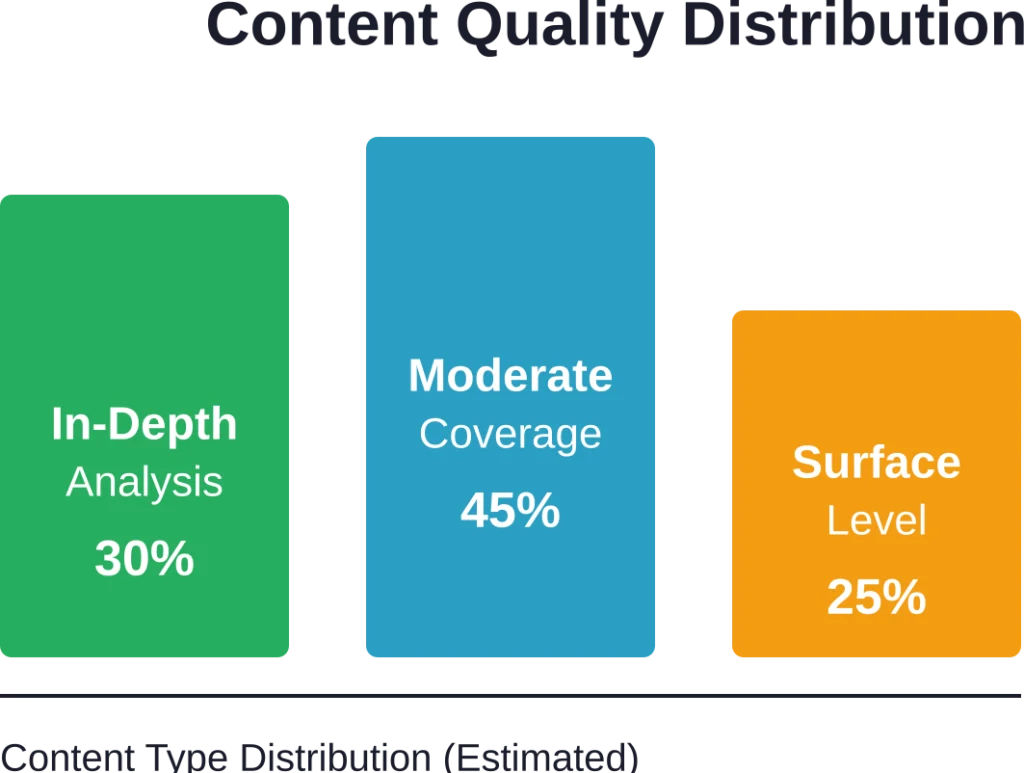
प्लेटफ़ॉर्म पर सामग्री की गुणवत्ता अलग-अलग है, जो ध्यान देने योग्य बात है। कुछ लेख कृषि संबंधी गहन विशेषज्ञता और तकनीकी समझ को दर्शाते हैं। वहीं कुछ अन्य लेख प्रेस विज्ञप्तियों की तरह लगते हैं जिनमें आलोचनात्मक विश्लेषण का अभाव होता है।.
सबसे प्रभावी सामग्री उन प्रतिष्ठित लेखकों से आती है जिनके पास उद्योग जगत की स्पष्ट साख है। ये लेख प्रणाली की कार्यप्रणाली को समझाते हैं, विशिष्ट कमियों की पहचान करते हैं और ठोस सुधारों का सुझाव देते हैं। इनमें सामान्य दावों के बजाय वास्तविक दुनिया के उदाहरणों का उपयोग किया जाता है।.
सोलिंटा के चार्ल्स मिलर, जो इस क्षेत्र में एक उल्लेखनीय योगदानकर्ता हैं, ने हाल ही में एक संपादकीय लेख प्रकाशित किया है जिसमें यह बताया गया है कि जलवायु परिवर्तन से प्रभावित न होने वाले बीज उन किसानों तक क्यों नहीं पहुँच रहे हैं जिन्हें इनकी सबसे अधिक आवश्यकता है। इस लेख में नीतिगत सुधारों के लिए स्पष्ट तर्क प्रस्तुत किए गए, व्यवस्थागत समस्या पर ध्यान केंद्रित किया गया और अन्य लोगों को भी इस चर्चा में शामिल होने के लिए आमंत्रित किया गया। इस प्रकार का लेखन वास्तव में मूल्यवान होता है।.
संपादकीय लेख का लाभ
देखिए, अच्छी कृषि प्रौद्योगिकी लेखन को प्रचार संबंधी सतही सामग्री से अलग करने वाली बात यह है: प्रणालियों की विफलताओं का विश्लेषण करने की तत्परता, न कि केवल उनकी सफलताओं का।.
एग्रीटेक टुमॉरो का संपादकीय अनुभाग अक्सर इस उद्देश्य को पूरा करता है। योगदानकर्ता बताते हैं कि प्रणालियाँ कैसे काम करती हैं, उनमें कहाँ खामियाँ आ रही हैं, और वास्तव में समस्याओं का समाधान क्या होगा। सबसे प्रभावशाली लेख संवाद के लिए जगह बनाते हैं—नीति निर्माता, भागीदार और सहकर्मी इसमें शामिल हो सकते हैं क्योंकि लेखन समाधानों को प्रस्तुत करने के बजाय साझा चुनौतियों को सामने रखता है।.
यह दृष्टिकोण पहले से कहीं अधिक महत्वपूर्ण है। कार्बन क्रेडिट बाजार के 2050 तक 14,250 अरब डॉलर तक पहुंचने का अनुमान है, और स्वैच्छिक बाजार सरकारी अनिश्चितताओं के बावजूद निरंतर वृद्धि जारी रखेगा। किसानों को इन अवसरों का निष्पक्ष विश्लेषण चाहिए, न कि बढ़ा-चढ़ाकर पेश की गई बातें।.
विशिष्ट प्रौद्योगिकी श्रेणियों का कवरेज
विभिन्न प्रौद्योगिकी श्रेणियों के प्रति इस प्लेटफॉर्म का दृष्टिकोण इसकी खूबियों और कमियों को उजागर करता है।.
रोबोटिक्स और स्वचालन
कृषि रोबोटिक्स को विस्तृत कवरेज मिलता है। यह प्लेटफॉर्म फार्मड्रॉइड जैसे प्रमुख खिलाड़ियों पर नज़र रखता है, जिनके स्वायत्त खेत रोबोट सटीक जीपीएस मार्गदर्शन के साथ बुवाई और निराई का काम करते हैं।.
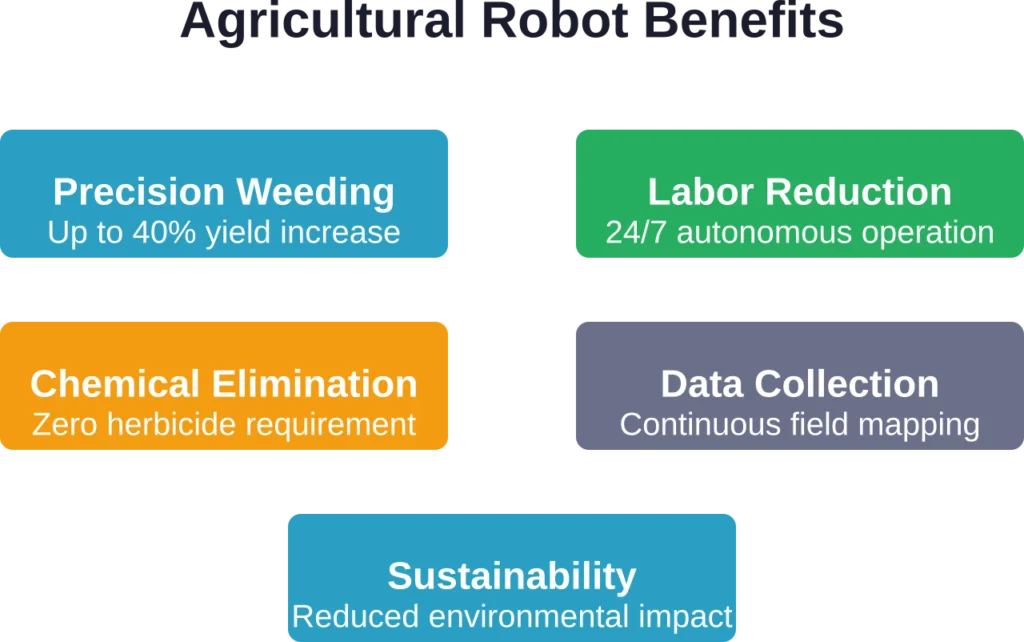
उपलब्ध आंकड़ों के आधार पर, FarmDroid का FD20 सिस्टम पंक्तियों के बीच और पंक्तियों के भीतर खरपतवारों को उच्च सटीकता के साथ नियंत्रित करता है। रिपोर्ट के अनुसार, निरंतर स्वचालित खरपतवार नियंत्रण से कुछ ग्राहकों के लिए उपज में 40% तक की वृद्धि होती है। यह रोबोट बुवाई और खरपतवार नियंत्रण दोनों कार्यों के दौरान स्वायत्त रूप से काम करता है, जिससे कई अनुप्रयोगों में रासायनिक खरपतवारनाशकों की आवश्यकता समाप्त हो जाती है।.
इसमें व्यावहारिक कार्यान्वयन संबंधी विवरण शामिल हैं—जीपीएस सिस्टम सटीकता कैसे प्राप्त करते हैं, कौन सी क्षेत्र परिस्थितियाँ प्रदर्शन को सीमित करती हैं, और वास्तव में श्रम की बचत कहाँ होती है। यह विस्तृत जानकारी किसानों को यह मूल्यांकन करने में मदद करती है कि क्या विशिष्ट सिस्टम उनके कार्यों के लिए उपयुक्त हैं।.
सटीक कृषि उपकरण
सटीक कृषि में हार्डवेयर और सॉफ्टवेयर दोनों शामिल हैं। जीपीएस मार्गदर्शन प्रणाली, मृदा सेंसर, ड्रोन इमेजिंग और उपग्रह निगरानी, सभी पर ध्यान दिया जाता है।.
यह प्लेटफॉर्म इस बात का विश्लेषण करता है कि ये उपकरण निर्णय लेने की प्रक्रियाओं में किस प्रकार एकीकृत होते हैं। पर्यावरण, आर्थिक और सामाजिक आयामों को समाहित करने वाला व्यापक जीवन चक्र विश्लेषण, कृषि स्तर के निर्णयों और सामुदायिक स्तर पर चक्रीय अर्थव्यवस्था की योजना बनाने, दोनों में सहायक हो सकता है।.
लेकिन रुकिए। यहीं पर सामग्री की गुणवत्ता सबसे ज़्यादा मायने रखती है—कई सटीक कृषि लेख उपकरणों के कार्यों को तो समझाते हैं, लेकिन यह नहीं बताते कि वे अलग-अलग आकार के खेतों के लिए आर्थिक रूप से व्यवहार्य हैं या नहीं। छोटे किसानों को निवेश पर लाभ (ROI) विश्लेषण की ज़रूरत होती है, न कि सुविधाओं की सूची की।.
जल एवं पोषक तत्व प्रबंधन
सिंचाई की नई तकनीकों पर नियमित रूप से खबरें प्रकाशित होती रहती हैं। शोध दल ऐसे उपकरण विकसित कर रहे हैं जो किसानों को सिंचाई या उर्वरक डालने के सही समय और स्थान के बारे में स्पष्ट मार्गदर्शन प्रदान करते हैं। 9 फरवरी, 2026 को एनआईएफए द्वारा प्रकाशित रिपोर्ट के अनुसार, जॉर्जिया विश्वविद्यालय, आयोवा स्टेट यूनिवर्सिटी और लिंकन स्थित नेब्रास्का विश्वविद्यालय की एक शोध टीम एक ऐसी प्रणाली विकसित कर रही है जो छोटे सेंसर, सरल हार्डवेयर, सॉफ्टवेयर और मशीन लर्निंग को मिलाकर पौधों और मिट्टी की वास्तविक समय की स्थिति का आकलन करती है और किसानों को सिंचाई या उर्वरक डालने के सही समय और स्थान के बारे में स्पष्ट मार्गदर्शन देती है।.
संतुलन अत्यंत महत्वपूर्ण है। पानी या नाइट्रोजन की कमी से पैदावार कम हो जाती है। अत्यधिक मात्रा से बजट पर बोझ पड़ता है और पर्यावरण को नुकसान पहुंचता है—नदियों में बहकर कुओं को प्रदूषित करता है। किसान इस संतुलन की अहमियत समझते हैं, लेकिन सही मात्रा का पता लगाना हमेशा से चुनौतीपूर्ण रहा है।.
उद्योग विश्लेषणों से पता चलता है कि पुनर्चक्रण सिंचाई प्रणालियाँ पानी और उर्वरक की खपत को संभावित रूप से कम कर सकती हैं। वाणिज्यिक कार्यों के लिए ये आंकड़े छोटे नहीं हैं।.
FlyPix AI के साथ दृश्यमान साइट परिवर्तनों की निगरानी करें
एग्रीटेक टुमॉरो कृषि प्रौद्योगिकी और क्षेत्र-केंद्रित उपकरणों को कवर करता है।. फ्लाईपिक्स एआई यह स्थिति तब उपयुक्त होती है जब टीमों को कृषि क्षेत्रों, भूमि निगरानी, बुनियादी ढांचे की समीक्षा या पर्यावरण अवलोकन के लिए उपग्रह, ड्रोन या हवाई छवियों का विश्लेषण करने की आवश्यकता होती है।.
FlyPix AI इमेज-आधारित एग्रीटेक वर्कफ़्लो का समर्थन कर सकता है, जैसे कि:
- खेतों और भूमि क्षेत्रों की हवाई, ड्रोन या उपग्रह छवियों का विश्लेषण करना
- दृश्य वस्तुओं, सीमाओं, परिवर्तनों या सतह की विशेषताओं का पता लगाना
- वनस्पति, भू-आवरण, जल, सड़कों या इमारतों को अलग-अलग भागों में बाँटना
- कृषि या पर्यावरण संबंधी विशिष्ट विशेषताओं के लिए अनुकूलित एआई मॉडल बनाना
FlyPix AI से संपर्क करें यह देखने के लिए कि भू-स्थानिक छवि विश्लेषण छवि-आधारित कृषि प्रौद्योगिकी निगरानी में कैसे सहायता कर सकता है।.
सरकार और नीति कवरेज
एग्रीटेक टुमॉरो कृषि प्रौद्योगिकी को अपनाने को प्रभावित करने वाले प्रासंगिक नीतिगत घटनाक्रमों पर नज़र रखता है। यही इसे विशुद्ध रूप से व्यावसायिक तकनीकी समाचारों से अलग करता है।.
इस प्लेटफॉर्म पर यूएसडीए द्वारा 7 अप्रैल, 2026 को घोषित नेशनल प्रूविंग ग्राउंड्स नेटवर्क फॉर एगटेक (एनपीजी-एजी) की जानकारी दी गई। इस राष्ट्रव्यापी पहल का उद्देश्य वास्तविक परिस्थितियों में कृषि प्रौद्योगिकियों का कड़ाई से मूल्यांकन करना और सत्यापित प्रदर्शन डेटा के माध्यम से खेतों और पशुपालन की लाभप्रदता को मजबूत करना है।.
इस तरह की सरकारी पहल उन किसानों के लिए महत्वपूर्ण है जो प्रौद्योगिकी में निवेश करने पर विचार कर रहे हैं। तृतीय-पक्ष सत्यापन से महंगी नई प्रणालियों का मूल्यांकन करते समय जोखिम कम हो जाता है।.
एनआईएफए की कृत्रिम बुद्धिमत्ता संबंधी गतिविधियों को भी कवरेज प्राप्त है। विभिन्न क्षेत्रों में एआई के क्षेत्र में किए गए कार्यों के लंबे इतिहास को आधार बनाते हुए, एनआईएफए कृषि और खाद्य आपूर्ति श्रृंखला में एआई की शक्ति का उपयोग करने के प्रयासों को गति प्रदान करना चाहता है। ये कार्यक्रम कंप्यूटर प्रणालियों को उन्नत बनाते हैं जो ऐसे कार्य करने में सक्षम हैं जिनके लिए परंपरागत रूप से मानवीय बुद्धिमत्ता की आवश्यकता होती थी—जैसे मशीन लर्निंग, डेटा विज़ुअलाइज़ेशन और पैटर्न रिकग्निशन।.
पर्यावरण अनुपालन उपकरण
यह प्लेटफॉर्म समय-समय पर एनआरसीएस पर्यावरण मूल्यांकन संसाधनों जैसे नियामक उपकरणों पर भी चर्चा करता है। सीपीए-52 वर्कशीट और संबंधित प्रशिक्षण सामग्री किसानों को संरक्षण प्रथाओं के लिए पर्यावरणीय अनुपालन में सहायता करती है।.
एनआरसीएस पर्यावरण मूल्यांकन संसाधन प्रदान करता है, जिसमें जनवरी 2026 तक के संस्करणों के साथ सीपीए-52 वर्कशीट शामिल है। ये नियामक संसाधन सीधे तौर पर प्रभावित करते हैं कि किसान पर्यावरण अनुपालन बनाए रखते हुए नई तकनीकों को कैसे लागू करते हैं।.
प्लेटफ़ॉर्म की खूबियाँ
एग्रीटेक टुमॉरो के कई पहलू कृषि पेशेवरों के लिए स्पष्ट मूल्य प्रदान करते हैं।.
| ताकत | यह क्यों मायने रखती है | सबसे ज्यादा फायदा किसे होता है? |
|---|---|---|
| विशेष ध्यान | कृषि संबंधी सामान्य विषयों के बजाय कृषि प्रौद्योगिकी पर विशेष ध्यान दिया जाता है। | प्रारंभिक अपनाने वाले और प्रौद्योगिकी-उन्नत संचालन |
| विशेषज्ञ योगदानकर्ता | उद्योग जगत के विशेषज्ञ कार्यान्वयन संबंधी प्रत्यक्ष जानकारी प्रदान करते हैं। | फार्म प्रबंधक विशिष्ट उपकरणों का मूल्यांकन कर रहे हैं |
| पॉलिसी ट्रैकिंग | प्रौद्योगिकी अपनाने को प्रभावित करने वाले सरकारी कार्यक्रमों का कवरेज | अनुदान या अनुपालन प्राप्त करने के लिए किए जा रहे संचालन |
| बहु-प्रारूप सामग्री | समाचार, विश्लेषण, संपादकीय लेख और समीक्षाएँ विभिन्न सूचना आवश्यकताओं को पूरा करती हैं। | सभी प्रकार के पाठक |
| निःशुल्क पहुंच | आवश्यक जानकारी तक पहुँचने में कोई भुगतान संबंधी बाधा नहीं है। | सीमित बजट वाले छोटे संचालक |
विशिष्ट दृष्टिकोण वास्तव में महत्वपूर्ण है। सामान्य कृषि प्रकाशन वस्तुओं की कीमतों, मौसम और नीतिगत बारीकियों के साथ प्रौद्योगिकी कवरेज को कमज़ोर कर देते हैं। एग्रीटेक टुमॉरो पूरी तरह से उपकरणों और उनके कार्यान्वयन पर केंद्रित है—जो किसानों को प्रौद्योगिकी निवेश का मूल्यांकन करते समय चाहिए होता है।.
नि:शुल्क पहुँच पर ज़ोर देना आवश्यक है। कई उद्योग प्रकाशन सामग्री को सशुल्क माध्यमों के पीछे छिपाकर रखते हैं। एग्रीटेक टुमॉरो सभी के लिए जानकारी उपलब्ध कराता है, जिससे कृषि लाभप्रदता और स्थिरता में सुधार लाने वाली जानकारियों तक सभी की पहुँच सुलभ हो जाती है।.
सीमाएँ और कमियाँ
अब, यहीं पर ईमानदार मूल्यांकन के लिए कमजोरियों को स्वीकार करना आवश्यक हो जाता है।.
विषयवस्तु की गहराई में काफी अंतर है। कुछ लेख विशिष्ट आंकड़ों और कार्यान्वयन संबंधी मार्गदर्शन के साथ व्यापक विश्लेषण प्रदान करते हैं। वहीं, अन्य लेख सतही सारांश प्रस्तुत करते हैं जो किसानों को वास्तविक निर्णय लेने में सहायक नहीं होते।.
यह प्लेटफॉर्म कभी-कभी प्रचार सामग्री और आलोचनात्मक विश्लेषण के बीच अंतर करने में असमर्थ रहता है। विशिष्ट उत्पादों के बारे में लेख कभी-कभी वस्तुनिष्ठ मूल्यांकन के बजाय मार्केटिंग सामग्री की तरह लगते हैं। इससे उन पाठकों का भरोसा कम हो जाता है जो प्रचार और सिद्ध प्रदर्शन के बीच अंतर करने की कोशिश कर रहे हैं।.
आर्थिक विश्लेषण अक्सर सतही होता है। लेख विभिन्न कृषि आकारों के लिए लागत-लाभ गणनाओं को पर्याप्त रूप से संबोधित किए बिना प्रौद्योगिकियों के कार्यों का वर्णन करते हैं। 5,000 एकड़ के विशाल कृषि क्षेत्र और 200 एकड़ के पारिवारिक कृषि क्षेत्र के लिए निवेश पर लाभ (आरओआई) के समीकरण पूरी तरह से भिन्न होते हैं।.
क्या नहीं हैं
तुलनात्मक समीक्षाएँ दुर्लभ हैं। किसानों को प्रतिस्पर्धी तकनीकों का साथ-साथ मूल्यांकन चाहिए—उदाहरण के लिए, जीपीएस मार्गदर्शन प्रणाली ए बनाम प्रणाली बी। प्लेटफ़ॉर्म व्यक्तिगत उत्पाद कवरेज प्रकाशित करता है, लेकिन खरीद निर्णयों के लिए आवश्यक तुलनात्मक ढांचा शायद ही कभी प्रदान करता है।.
दीर्घकालिक प्रदर्शन संबंधी आंकड़े दुर्लभ हैं। नई तकनीकों की प्रारंभिक समीक्षाएं आम हैं। लेकिन 2-3 वर्षों के उपयोग के बाद के अनुवर्ती मूल्यांकन लगभग न के बराबर हैं। लेकिन यही वह समय होता है जब किसान यह जान पाते हैं कि प्रणालियां निरंतर लाभ प्रदान करती हैं या रखरखाव के मामले में परेशानी का सबब बनती हैं।.
छोटे पैमाने की खेती के परिप्रेक्ष्य पर सीमित ध्यान दिया जाता है। अधिकांश कवरेज बड़े वाणिज्यिक कार्यों के लिए उपयुक्त प्रौद्योगिकियों पर केंद्रित है। इस क्षेत्र के बढ़ते महत्व के बावजूद, छोटे पैमाने पर टिकाऊ खेती के लिए उपकरण और तकनीकें कम ही देखी जाती हैं।.
एग्रीटेक टुमॉरो का उपयोग किसे करना चाहिए?
यह प्लेटफॉर्म विशिष्ट दर्शक वर्गों के लिए सबसे अधिक मूल्य प्रदान करता है।.
- नई तकनीकों का मूल्यांकन करने वाले और प्रौद्योगिकी में निपुण किसान प्रासंगिक जानकारियाँ प्राप्त करेंगे। उत्पाद संबंधी समाचार, प्रयोग संबंधी अनुभव और विशेषज्ञों के दृष्टिकोण का मिश्रण खरीद संबंधी निर्णय लेने में सहायक होता है—हालाँकि अतिरिक्त शोध करना भी आवश्यक है।.
- कृषि प्रौद्योगिकी क्षेत्र के पेशेवर—सलाहकार, कृषि विशेषज्ञ, उपकरण विक्रेता—उद्योग में हो रहे नवीनतम विकासों से अवगत रहकर लाभान्वित होते हैं। यह प्लेटफॉर्म विभिन्न प्रौद्योगिकी श्रेणियों में उभरती हुई जानकारियों का प्रभावी ढंग से अवलोकन करने की सुविधा प्रदान करता है।.
- कृषि नवाचार पर नज़र रखने वाले नीति विशेषज्ञ प्रौद्योगिकी अपनाने को प्रभावित करने वाले नियामक विकास और सरकारी पहलों की निगरानी कर सकते हैं। यूएसडीए नेशनल प्रोविंग ग्राउंड्स नेटवर्क जैसे कार्यक्रमों की कवरेज नीतिगत चर्चाओं के लिए संदर्भ प्रदान करती है।.
- कृषि के छात्रों और शोधकर्ताओं को वर्तमान तकनीकी रुझानों की व्यापक जानकारी मिलती है। यह प्लेटफॉर्म व्यावहारिक कार्यान्वयन में हो रही प्रगति का सर्वेक्षण प्रस्तुत करता है, जो अकादमिक शोध का पूरक है।.
जो कहीं और देख सकते हैं
- स्थापित पद्धतियों से परिचित पारंपरिक किसानों को शायद यह सामग्री प्रासंगिक न लगे। यह प्लेटफॉर्म पारंपरिक तरीकों को बेहतर बनाने के बजाय नवाचार और बदलाव पर केंद्रित है।.
- छोटे पैमाने पर जैविक और टिकाऊ खेती करने वालों को इसमें सीमित उपयोगी सामग्री मिल सकती है। तकनीकी फोकस अक्सर पर्याप्त पूंजी बजट वाले वाणिज्यिक स्तर के संचालन को ध्यान में रखकर बनाया गया है।.
- तकनीकी विशिष्टताओं और इंजीनियरिंग संबंधी विस्तृत जानकारी चाहने वाले पाठकों को अधिक विशिष्ट संसाधनों की आवश्यकता होती है। एग्रीटेक टुमॉरो का उद्देश्य कृषि प्रबंधकों और व्यावसायिक निर्णयकर्ताओं को लक्षित करना है, न कि सिस्टम डिजाइन करने वाले इंजीनियरों को।.
एग्रीटेक टुमॉरो सूचना परिदृश्य में कैसे फिट बैठता है
कृषि प्रौद्योगिकी संबंधी जानकारी कई स्रोतों से प्राप्त होती है—व्यापारिक प्रकाशन, निर्माता वेबसाइटें, विश्वविद्यालय विस्तार सेवाएं और सहकर्मी नेटवर्क। एग्रीटेक टुमॉरो की भूमिका कहाँ आती है?
यह प्लेटफॉर्म अकादमिक शोध और विपणन सामग्री के बीच का मध्य मार्ग अपनाता है। यह पीयर-रिव्यू जर्नल से अधिक सुलभ है, लेकिन उत्पाद ब्रोशर से अधिक सारगर्भित है। यह स्थिति उन किसानों के लिए उपयोगी है जो अकादमिक शब्दावली के बिना साक्ष्य-आधारित जानकारी चाहते हैं।.
सामान्य कृषि मीडिया की तुलना में, एग्रीटेक टुमॉरो प्रौद्योगिकी पर अधिक ध्यान केंद्रित करता है, लेकिन इसका समग्र कवरेज सीमित है। किसानों को कमोडिटी बाजार की जानकारी और प्रौद्योगिकी संबंधी अंतर्दृष्टि दोनों की आवश्यकता होती है। यह प्लेटफॉर्म व्यापक कृषि प्रकाशनों का पूरक है, न कि उनका विकल्प।.
विश्वविद्यालय विस्तार सेवाएँ अधिक सटीक मूल्यांकन और स्थानीय अनुकूलन संबंधी मार्गदर्शन प्रदान करती हैं। लेकिन वे हर उभरती हुई तकनीक को तुरंत कवर नहीं कर सकतीं। एग्रीटेक टुमॉरो व्यापक विस्तार संसाधनों के उपलब्ध होने से पहले ही नवाचारों पर नज़र रखकर इस कमी को पूरा करता है।.
प्लेटफ़ॉर्म का प्रभावी ढंग से उपयोग करने के लिए व्यावहारिक सुझाव
एग्रीटेक टुमॉरो से अधिकतम लाभ प्राप्त करने के लिए एक रणनीतिक दृष्टिकोण आवश्यक है।.
दावों की पुष्टि स्वतंत्र स्रोतों से करें। जब लेख विशिष्ट तकनीकों पर प्रकाश डालते हैं, तो खरीदारी का निर्णय लेने से पहले विश्वविद्यालय परीक्षणों, सरकारी मूल्यांकनों या समकक्षों के अनुभवों से अतिरिक्त डेटा प्राप्त करें।.
सामान्य समाचार सारांशों के बजाय योगदानकर्ताओं द्वारा लिखित लेखों को प्राथमिकता दें। विशेषज्ञों के नाम वाले लेख आमतौर पर संक्षिप्त घोषणाओं की तुलना में अधिक गहन अंतर्दृष्टि और महत्वपूर्ण विश्लेषण प्रदान करते हैं।.
इस प्लेटफॉर्म का उपयोग तकनीकी खोज के लिए करें, न कि अंतिम मूल्यांकन के लिए। यह उभरते हुए रुझानों को उजागर करने और प्रारंभिक मार्गदर्शन प्रदान करने में उत्कृष्ट है। अन्य स्रोतों से विस्तृत विशिष्टताओं, सहकर्मी समीक्षाओं और आर्थिक विश्लेषण के साथ इसका उपयोग करें।.
प्लेटफ़ॉर्म से प्राप्त जानकारियों को स्थानीय विस्तार संसाधनों से जोड़ें। एग्रीटेक टुमॉरो के माध्यम से रुचिकर प्रौद्योगिकियों की पहचान करने के बाद, स्थानीय स्तर पर उनकी उपयोगिता और अनुकूलन के बारे में क्षेत्रीय विस्तार विशेषज्ञों से परामर्श लें।.
कृषि प्रौद्योगिकी सूचना का भविष्य
कृषि प्रौद्योगिकी का क्षेत्र तेजी से विकसित हो रहा है। AgriTechTomorrow जैसे प्लेटफॉर्म को भी उन नवाचारों के साथ तालमेल बिठाना होगा जिन्हें वे कवर करते हैं।.
किसान प्रौद्योगिकी प्रदाताओं से जवाबदेही की मांग लगातार बढ़ा रहे हैं। विपणन संबंधी दावे पर्याप्त नहीं हैं—उत्पादक सत्यापित प्रदर्शन डेटा चाहते हैं। यूएसडीए का राष्ट्रीय परीक्षण मैदान नेटवर्क वास्तविक दुनिया के कठोर मूल्यांकन की इस आवश्यकता को पूरा करता है।.
विभिन्न तकनीकों का एकीकरण व्यक्तिगत उपकरणों से कहीं अधिक महत्वपूर्ण है। जीपीएस मार्गदर्शन, मृदा संवेदक, परिवर्तनीय दर नियंत्रक और प्रबंधन सॉफ़्टवेयर को निर्बाध रूप से एक साथ काम करना चाहिए। कवरेज में केवल घटकों की क्षमताओं को ही नहीं, बल्कि अंतरसंचालनीयता और प्रणाली-स्तरीय प्रदर्शन को भी शामिल करना आवश्यक है।.
सतत विकास के मापदंड अब अनिवार्य होते जा रहे हैं। नियंत्रित वातावरण में कृषि करने वालों को ऊर्जा की खपत कम करनी होगी। खेतों में किए जाने वाले कार्यों से मिट्टी के स्वास्थ्य को होने वाले लाभों का प्रमाण मिलना चाहिए। कार्बन पृथक्करण के सत्यापन की आवश्यकता है। ऐसे सूचना मंच जो वास्तविक सतत विकास विश्लेषण प्रदान करते हैं—न कि दिखावटी पर्यावरण संरक्षण—किसानों का विश्वास जीतेंगे।.
अक्सर पूछे जाने वाले प्रश्नों
जी हां, AgriTechTomorrow बिना किसी सदस्यता या भुगतान के सभी सामग्री तक मुफ्त पहुंच प्रदान करता है। पाठक समाचार लेख, संपादकीय, प्रौद्योगिकी समीक्षा और शैक्षिक सामग्री बिना किसी शुल्क के प्राप्त कर सकते हैं, जिससे यह किसानों और कृषि पेशेवरों के लिए बजट की परवाह किए बिना सुलभ हो जाता है।.
यह प्लेटफॉर्म कृषि प्रौद्योगिकी से जुड़ी ताज़ा खबरों, विशेषज्ञ विश्लेषणों और गहन लेखों को कवर करते हुए प्रति सप्ताह कई लेख प्रकाशित करता है। प्रकाशन की आवृत्ति विषयवस्तु के अनुसार भिन्न होती है; समाचार लेख व्यापक समीक्षाओं या शोध-आधारित लेखों की तुलना में अधिक नियमित रूप से प्रकाशित होते हैं।.
सामग्री कई स्रोतों से आती है, जिनमें स्टाफ लेखक, उद्योग जगत के योगदानकर्ता, प्रौद्योगिकी कंपनियों के प्रतिनिधि, शोधकर्ता और कृषि विशेषज्ञ शामिल हैं। सबसे प्रभावी लेख आमतौर पर कृषि प्रौद्योगिकी के विशिष्ट क्षेत्रों में प्रमाणित योग्यता रखने वाले नामी विशेषज्ञों द्वारा लिखे जाते हैं। लेखक के अनुसार गुणवत्ता और दृष्टिकोण में काफी भिन्नता होती है।.
इस लेख में मुख्य रूप से व्यावसायिक स्तर के संचालन और बड़े कृषि उपकरणों पर ध्यान केंद्रित किया गया है। सटीक कृषि प्रणालियों, रोबोटिक्स और पर्याप्त पूंजी निवेश की आवश्यकता वाली तकनीकों की तुलना में छोटे पैमाने पर टिकाऊ कृषि उपकरणों पर कम ध्यान दिया गया है। छोटे किसानों को बड़े व्यावसायिक किसानों की तुलना में कम उपयोगी सामग्री मिल सकती है।.
उत्पाद कवरेज की गुणवत्ता अलग-अलग होती है। कुछ लेख प्रदर्शन डेटा और कार्यान्वयन संबंधी जानकारियों के साथ वस्तुनिष्ठ विश्लेषण प्रदान करते हैं। वहीं, अन्य लेख प्रचार सामग्री की तरह लगते हैं। किसानों को AgriTechTomorrow की सामग्री को कई सूचना स्रोतों में से एक के रूप में लेना चाहिए और खरीदारी का निर्णय लेने से पहले विश्वविद्यालयों, सरकारी परीक्षण कार्यक्रमों और अन्य किसानों के अनुभवों से प्राप्त स्वतंत्र मूल्यांकनों के साथ दावों की तुलना करनी चाहिए।.
एग्रीटेक टुमॉरो उभरती प्रौद्योगिकियों का व्यापक कवरेज और नए विकासों पर त्वरित रिपोर्टिंग प्रदान करता है। विश्वविद्यालय विस्तार सेवाएं अधिक सटीक मूल्यांकन, स्थानीय अनुकूलन मार्गदर्शन और निष्पक्ष आकलन प्रदान करती हैं। यह प्लेटफॉर्म व्यापक अकादमिक मूल्यांकन से पहले ही नवाचारों को उजागर करके विस्तार संसाधनों का पूरक है, लेकिन इसे कार्यान्वयन निर्णयों के लिए विस्तार परामर्श का विकल्प नहीं माना जाना चाहिए।.
हालांकि यह प्लेटफॉर्म मुख्य रूप से उत्तरी अमेरिका पर केंद्रित है, लेकिन इसमें अंतरराष्ट्रीय प्रौद्योगिकियों और नवाचारों को भी शामिल किया गया है जो दुनिया भर के किसानों के लिए प्रासंगिक हैं। फार्मड्रॉइड जैसी यूरोपीय रोबोटिक्स कंपनियों पर ध्यान दिया जाता है, साथ ही सटीक कृषि, इनडोर खेती और टिकाऊ प्रथाओं में वैश्विक रुझानों पर भी। हालांकि, नियामक और नीतिगत कवरेज में अमेरिकी विकास पर अधिक जोर दिया जाता है।.
अंतिम आकलन
तो कृषि पेशेवरों के लिए एक सूचना उपकरण के रूप में एग्रीटेक टुमॉरो के बारे में क्या राय है?
यह प्लेटफॉर्म किसानों और कृषि प्रौद्योगिकी विशेषज्ञों के लिए वास्तविक मूल्य प्रदान करता है जो सामग्री का गहन अध्ययन करने के इच्छुक हैं। यह प्रौद्योगिकी खोज में उत्कृष्ट है—उभरते हुए उपकरणों और रुझानों को मुख्यधारा में आने से पहले ही उजागर करता है। समाचार, विश्लेषण और विशेषज्ञ दृष्टिकोणों का मिश्रण तेजी से विकसित हो रहे क्षेत्र का प्रभावी अवलोकन प्रदान करता है।.
लेकिन यह एक संपूर्ण समाधान नहीं है। विषयवस्तु की गहराई भिन्न-भिन्न होती है। आर्थिक विश्लेषण में अक्सर वास्तविक खरीद निर्णयों के लिए आवश्यक सूक्ष्मता का अभाव होता है। तुलनात्मक मूल्यांकन दुर्लभ हैं। विपणन सामग्री कभी-कभी वस्तुनिष्ठ विश्लेषण का रूप धारण कर लेती है।.
समझदारी भरा तरीका क्या है? विविध सूचना रणनीति के हिस्से के रूप में एग्रीटेक टुमॉरो का उपयोग करें। इसके माध्यम से नई तकनीकों और उद्योग के विकास से परिचित हों। फिर महत्वपूर्ण निवेश करने से पहले विश्वविद्यालय के विस्तार संसाधनों, सहकर्मी नेटवर्क, सरकारी परीक्षण कार्यक्रमों और व्यावहारिक मूल्यांकन के साथ इसका पूरक उपयोग करें।.
कृषि क्षेत्र के सामने कई बड़ी चुनौतियाँ हैं—बढ़ती आबादी को भोजन उपलब्ध कराना, पर्यावरण पर प्रभाव को कम करना, जलवायु परिवर्तन के अनुकूल ढलना और श्रम की कमी तथा कच्चे माल की लागत के दबाव के बावजूद कृषि लाभप्रदता बनाए रखना। प्रौद्योगिकी इन चुनौतियों का एक हिस्सा होगी। लेकिन यह तभी संभव है जब किसानों को इस बारे में सटीक और व्यावहारिक जानकारी मिल सके कि वास्तव में क्या कारगर है।.
एग्रीटेक टुमॉरो उस सूचना तंत्र में योगदान देता है। यह परिपूर्ण नहीं है, लेकिन उपयोगी है। और एक ऐसे उद्योग में जो प्रचार और अप्रचलित प्रथाओं से भरा पड़ा है, उपयोगी जानकारी अत्यंत महत्वपूर्ण है।.
कृषि प्रौद्योगिकी में हो रहे नवाचारों को जानने के लिए तैयार हैं? उभरते उपकरणों के बारे में जानने, विशेषज्ञों के विचार पढ़ने और कृषि के भविष्य को आकार देने वाले नवीनतम घटनाक्रमों से अवगत रहने के लिए AgriTechTomorrow पर जाएं। बस याद रखें—हर दावे की पुष्टि आवश्यक है, हर तकनीक के लिए स्थानीय परीक्षण ज़रूरी है, और कोई भी प्लेटफॉर्म किसानों द्वारा अपने खेतों में किए गए अनुभव से प्राप्त ज्ञान का स्थान नहीं ले सकता।.