
Quick Summary: Powdery mildew is a widespread fungal disease affecting hundreds of plant species, identifiable by white, dusty coating on leaves, stems, and flowers. Prevention focuses on improving air circulation, proper watering, and selecting resistant varieties, while treatment includes fungicides, mineral oils, and biological controls. Early detection—when disease appears on less than 1% of plants—is critical for effective management.
That white, powdery coating creeping across garden plants isn’t frost or dust. It’s powdery mildew, one of the most common fungal diseases plaguing gardens worldwide.
This persistent pathogen affects vegetables, ornamentals, fruits, and landscape plants, appearing suddenly and spreading rapidly under the right conditions. Unlike many plant diseases, powdery mildew is remarkably easy to identify—the distinctive white or gray fungal growth sits right on the surface of plant tissues.
What makes this disease particularly frustrating? It thrives in conditions that seem perfectly pleasant for gardening: moderate temperatures and dry foliage. But powdery mildew isn’t a death sentence. With proper prevention strategies and timely treatment, growers can manage this disease effectively.
Understanding Powdery Mildew Disease
Powdery mildew isn’t caused by a single fungus. Multiple fungal species produce the characteristic white coating, with different species specializing in different host plants. This specialization matters—the powdery mildew on cucurbits won’t typically jump to roses, and vice versa.
The fungus behaves as an obligate parasite, meaning it requires a living host to survive. In northern regions with killing frosts, the pathogen dies when crops freeze, then must be reintroduced each growing season through windborne spores.
Temperature plays a crucial role in disease development. Most powdery mildew fungi favor moderate temperatures between 60°F and 80°F. Hot summer weather can actually slow disease progression, though established infections often persist.
How Powdery Mildew Differs From Downy Mildew
Confusion between powdery mildew and downy mildew runs rampant, but these are fundamentally different diseases requiring different management strategies.
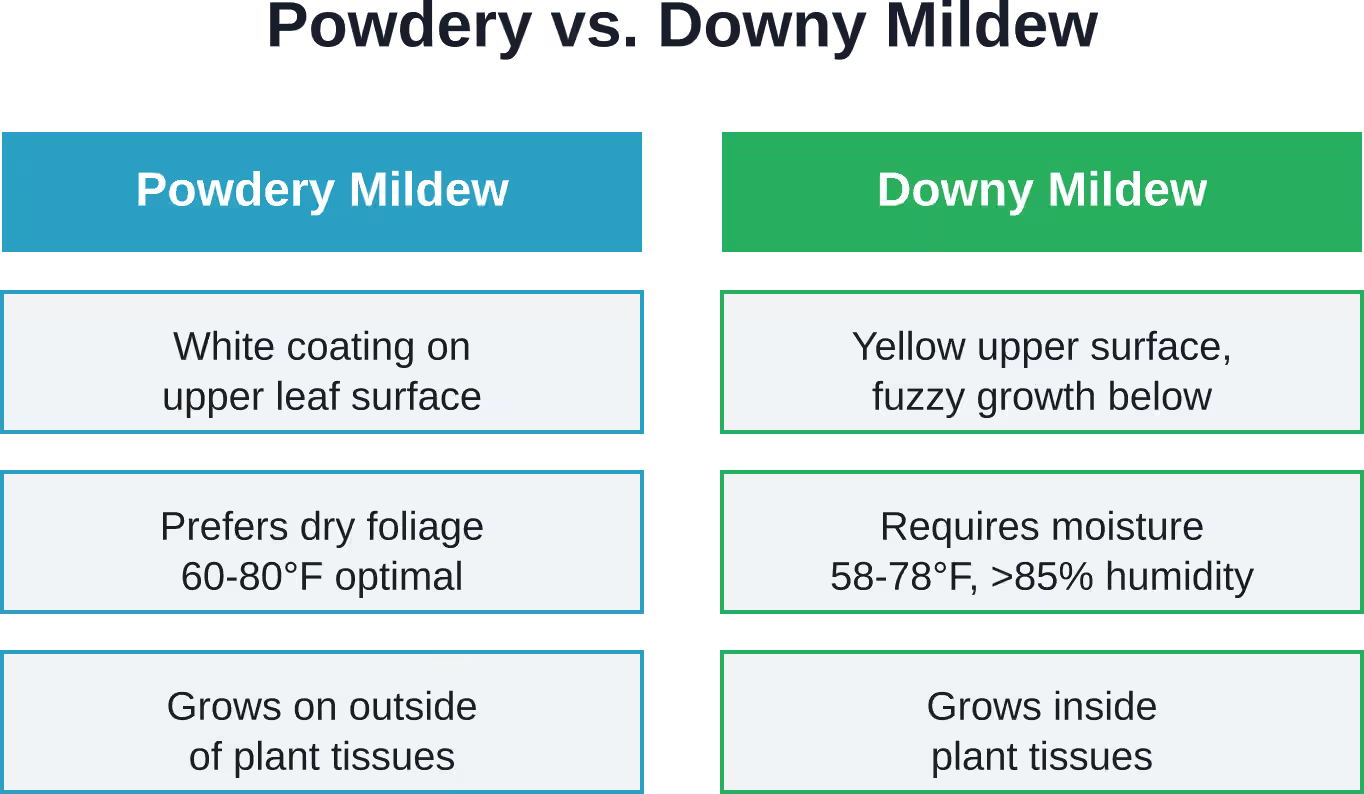
Powdery mildew appears as white, dusty coating on upper leaf surfaces and doesn’t require free water for infection. The fungus grows on the outside of plant tissues, with only specialized feeding structures penetrating cells.
Downy mildew, by contrast, grows inside plant tissues and appears as yellowing on upper leaf surfaces with fuzzy gray or purple growth underneath. It requires cool temperatures (58-78°F) and high relative humidity (above 85%) near leaf surfaces for infection. Where powdery mildew prefers dry conditions, downy mildew demands moisture.
Identifying Powdery Mildew Symptoms
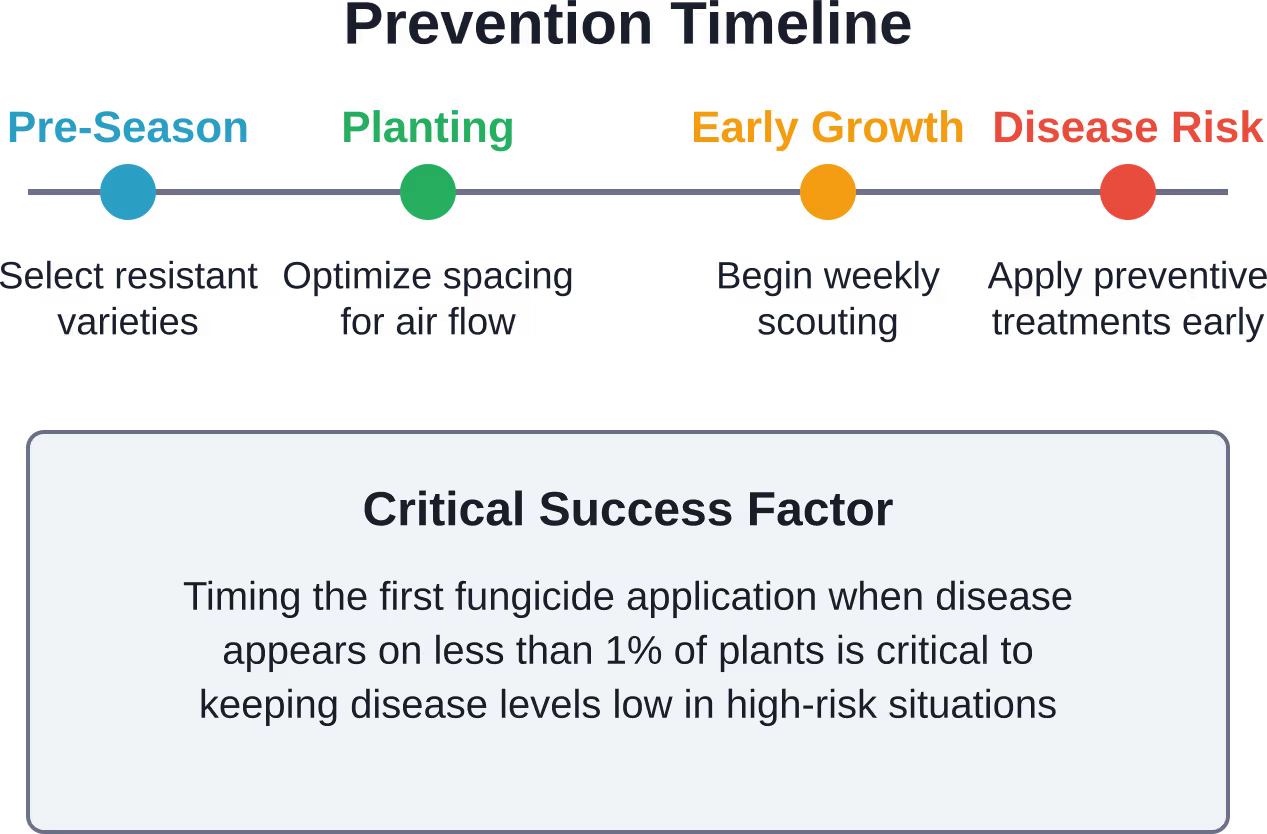
Early detection makes all the difference. In high disease-risk situations, applying the first fungicide application when disease appears on less than 1% of plants significantly improves control outcomes, according to Oregon State University Extension research.
The earliest symptoms appear as small, circular white spots on leaves, stems, or buds. These spots quickly enlarge and coalesce, covering entire leaf surfaces with the characteristic powdery white or gray fungal growth.
As infection progresses, affected leaves may become distorted, curling upward or developing a puckered appearance. Severe infections cause yellowing, browning, and premature leaf drop. When not adequately managed, leaves die prematurely, leading to reduced photosynthesis, weakened plants, and significant yield loss.
Damage to Different Plant Types
The impact varies dramatically by crop type. On cucurbits like squash and pumpkins, powdery mildew ranks as the most common disease occurring every year throughout major growing regions.
Grape growers face particularly high stakes. Even minor powdery mildew infections can destroy fruit and wine quality, making prevention absolutely critical.
Tomato production faces consistent pressure from powdery mildew—nontreated tomato plants showed 56% mean leaf area affected in research trials, compared to 12% for plants treated weekly with Kaligreen at 3 lb/A in 2019.

Detect Field Changes Faster With FlyPix AI
FlyPix AI helps teams analyze satellite, aerial, and drone images with AI. It can detect and outline visible objects in geospatial images, making it useful when large areas need to be checked without slow manual review.
For powdery mildew monitoring, this can support broader crop checks from above and help flag visible changes that may need closer inspection on the ground.
Need Faster Image Analysis?
FlyPix AI can help with:
- analyzing drone, aerial, and satellite imagery
- detecting visible objects and patterns
- training custom AI models for specific tasks
- reducing manual review of field images
👉 Try FlyPix AI to analyze geospatial imagery faster.
Prevention Strategies That Work
Prevention always beats treatment. Integrated management programs that emphasize preventing infection outperform reactive approaches every time.
Select Resistant Varieties
Starting with resistant or tolerant varieties provides the foundation for successful powdery mildew management. This single decision influences every management choice that follows.
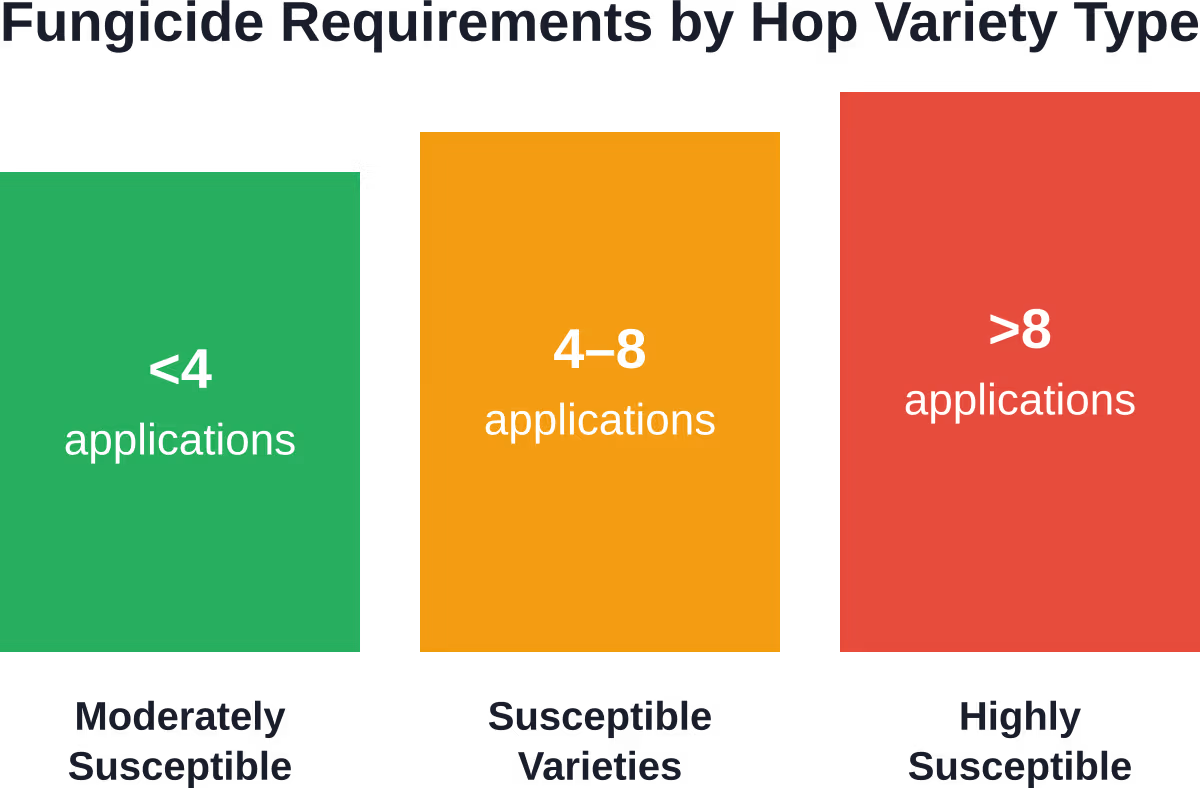
In hop production, variety selection determines fungicide requirements dramatically. Moderately susceptible varieties typically require fewer than 4 fungicide applications per year, susceptible varieties require 4–8 applications annually, while highly susceptible varieties require more than 8 applications per season.
Seed catalogs and university variety trials provide resistance ratings for most common crops. Investing time in variety selection pays dividends throughout the growing season.
Optimize Air Circulation
Powdery mildew spores need time on plant surfaces to germinate and establish infection. Improving air movement reduces that contact time and creates less favorable conditions for the pathogen.
Proper plant spacing matters more than most growers realize. Crowded plantings create still air pockets and dense canopies where humidity builds. Following recommended spacing guidelines isn’t optional—it’s fundamental disease prevention.
Pruning and training systems that open up plant canopies improve air flow and light penetration. Research on hop yards found that mechanically pruned yards demonstrated improved disease management compared to unpruned yards.
Water Management
Here’s where powdery mildew breaks the mold for fungal diseases. Most fungi require free water for infection, but powdery mildew actually prefers dry foliage.
Drip irrigation or soaker hoses deliver water to roots while keeping foliage dry. Water early in the day so any incidental foliar moisture dries quickly. Consistent soil moisture reduces plant stress, and healthy, vigorous plants resist infection better than stressed ones.
Sanitation Practices
Removing infected plant material reduces inoculum pressure—the overall disease load in the growing area. This matters particularly for obligate parasites like powdery mildew that can’t survive without living host tissue.
Scout plantings regularly and remove heavily infected leaves promptly. Bag or destroy this material rather than composting it. At season’s end, remove all crop debris completely.
Treatment Options When Prevention Isn’t Enough
Even with solid prevention practices, powdery mildew sometimes establishes. Once plants show symptoms, treatment becomes necessary to prevent escalation and protect yields.
Chemical Fungicides
Synthetic fungicides remain the most reliable treatment option for established infections, particularly in commercial production where crop value justifies the input cost.
Products with contact activity should be incorporated into fungicide programs. These materials create a protective barrier on plant surfaces that prevents spore germination and new infections. Sulfur-based products have been used for powdery mildew control for generations.
Systemic fungicides penetrate plant tissues and provide both protective and curative activity. However, resistance management becomes critical—rotating between different mode-of-action groups prevents pathogen populations from developing resistance.
Application timing matters tremendously. Fungicides work best as preventive treatments applied before disease becomes widespread. Once plants are heavily infected, control becomes very difficult even with aggressive spray programs.
Biological and Organic Options
Organic production systems and home gardeners seeking reduced-risk options have several effective tools.
- Potassium bicarbonate products like Kaligreen demonstrate documented effectiveness. Research on greenhouse tomatoes showed Kaligreen applied at 3 lb/A on weekly intervals prevented defoliation and reduced disease severity significantly—treated plants averaged 12% leaf area with powdery mildew compared to 56% on nontreated plants in 2019 trials.
- Sulfur remains a cornerstone of organic powdery mildew control. Available as dusts, wettable powders, and liquid formulations, sulfur provides good preventive activity. Application must occur before infection establishes for best results.
- Horticultural oils work through physical mechanisms, coating fungal structures and disrupting cell membranes. For grape growers, a rescue protocol exists: apply thorough water application to wash fungal material from plant surfaces, then within two days apply a 1–2% horticultural mineral oil treatment. Petroleum-based oils generally work better than plant-based oils for this application.
- Biological fungicides containing beneficial microorganisms show promise. These products work through various mechanisms—some compete with pathogens for space and nutrients, others produce compounds that inhibit fungal growth.
| Treatment Type | Mode of Action | Best Use | Limitations |
|---|---|---|---|
| Synthetic Fungicides | Contact and systemic protection | Commercial production, high disease pressure | Resistance concerns, regulatory restrictions |
| Potassium Bicarbonate | Disrupts fungal cell membranes | Organic systems, weekly preventive applications | Requires consistent reapplication |
| Sulfur | Multi-site fungal inhibition | Preventive organic control | Can injure plants in heat |
| Horticultural Oils | Physical coating and disruption | Rescue treatments, supplemental control | Limited on established infections |
Integrated Management Programs
No single tactic adequately controls powdery mildew. Successful management requires an integrated set of practices combining cultural methods, variety selection, monitoring, and targeted treatments.
The integrated approach begins with resistant varieties and cultural practices that reduce disease pressure. This foundation minimizes fungicide requirements, cutting costs and reducing environmental impacts. When conditions favor disease or monitoring detects early infections, targeted treatments fill the gaps.
Monitoring and Scouting
Regular scouting provides the information needed to make informed management decisions. Weekly examination of plants during periods favoring disease allows detection at the critical less than 1% threshold when preventive treatments deliver maximum benefit.
Scout the entire planting, paying particular attention to indicator plants—varieties known to be susceptible or locations where disease appeared first in previous seasons. Look at lower leaves and interior canopy areas where air circulation is poorest.
Timing Fungicide Applications
The timing of fungicide applications proves more important than product selection in many situations. Products with contact activity must be present on plant surfaces before infection occurs.
Weather monitoring helps predict high-risk periods. Extended stretches of moderate temperatures with dry days create ideal conditions for powdery mildew. Applying preventive treatments as these conditions develop provides more effective control than waiting for symptoms.
Common Mistakes to Avoid
- Waiting too long to treat ranks as the most common mistake. By the time disease covers large portions of plants, fungicides can only slow progression—they rarely eliminate established infections. The less than 1% threshold exists because early treatment works exponentially better than late treatment.
- Over-relying on a single fungicide accelerates resistance development. Powdery mildew fungi have demonstrated the ability to develop resistance to many fungicide classes. Rotating between products with different modes of action preserves fungicide effectiveness.
- Ignoring variety selection costs time and money throughout the season. The labor and materials required to manage powdery mildew on highly susceptible varieties far exceeds the modest investment in resistant seed or transplants.
Conclusion
Powdery mildew remains one of the most common and persistent fungal diseases affecting gardens and commercial production worldwide. The distinctive white coating appears on hundreds of plant species, threatening yields, quality, and aesthetic value.
Successful management isn’t about finding a single silver bullet—it requires an integrated approach combining resistant varieties, cultural practices that reduce disease pressure, regular monitoring, and timely treatments when needed. The foundation starts with variety selection and proper spacing, builds through consistent sanitation and canopy management, and finishes with strategic fungicide applications timed to critical thresholds.
The less than 1% detection threshold matters because it captures the window when interventions deliver maximum benefit. Acting early prevents the exponential disease progression that overwhelms management programs once symptoms become widespread.
Start scouting. Plant resistant varieties. Optimize spacing and air flow. Monitor weather patterns. Act decisively when disease appears. These practices, applied consistently, keep powdery mildew from destroying the season’s work.
Frequently Asked Questions
Powdery mildew is caused by various species of obligate parasitic fungi that require living plant hosts to survive. Different fungal species specialize in different plant families, but all produce the characteristic white, powdery coating on leaf surfaces, stems, and flowers. The disease thrives in moderate temperatures (60-80°F) with dry foliage, distinguishing it from most fungal diseases that require moisture.
Yes, powdery mildew spreads readily through windborne spores that travel between plants. However, most powdery mildew species are host-specific, meaning the fungus attacking cucumbers won’t typically infect roses or grapes. Within the same plant family, spores spread easily from infected to healthy plants, making early detection and sanitation critical for preventing widespread outbreaks.
Powdery mildew rarely disappears without intervention. While hot weather above 90°F can slow disease progression, established infections typically persist and worsen under favorable conditions. In northern regions, powdery mildew dies when crops freeze in fall, but this doesn’t help during the growing season. Active management through cultural practices, resistant varieties, or fungicide treatments is necessary for control.
Organic control combines cultural practices with approved fungicides. Potassium bicarbonate products like Kaligreen applied weekly at 3 lb/A have demonstrated effectiveness, reducing disease from 56% to 12% leaf area in tomato trials. Sulfur fungicides provide good preventive control when applied before infection establishes. Horticultural oils at 1–2% concentration offer rescue treatment options, particularly for grapes. Resistant varieties form the foundation of any organic program.
Timing is critical—apply fungicides when disease appears on less than 1% of plants in high-risk situations. This early intervention keeps disease levels manageable throughout the season. Waiting until symptoms become widespread reduces fungicide effectiveness dramatically. Contact fungicides require application before infection occurs, while systemic products offer limited curative activity if applied within days of infection. Preventive applications based on weather conditions and historical disease pressure provide the most reliable control.
Powdery mildew fungi are plant pathogens that don’t infect humans or animals. The white coating on produce can be washed off, and consuming small amounts poses no health risk. However, powdery mildew reduces crop quality, yield, and market value. In wine grapes, even light infections cause flavor defects that make fruit unsuitable for quality wine production, though the grapes remain safe to consume.
Complete elimination of established powdery mildew infections rarely occurs. Treatment focuses on suppressing active growth, preventing spread to healthy tissue, and protecting new growth from infection. Visible improvement typically appears within one to two weeks of treatment initiation, though heavily infected leaves may die despite treatment. Consistent management throughout the season keeps disease at acceptable levels rather than achieving a “cure” in the traditional sense.