
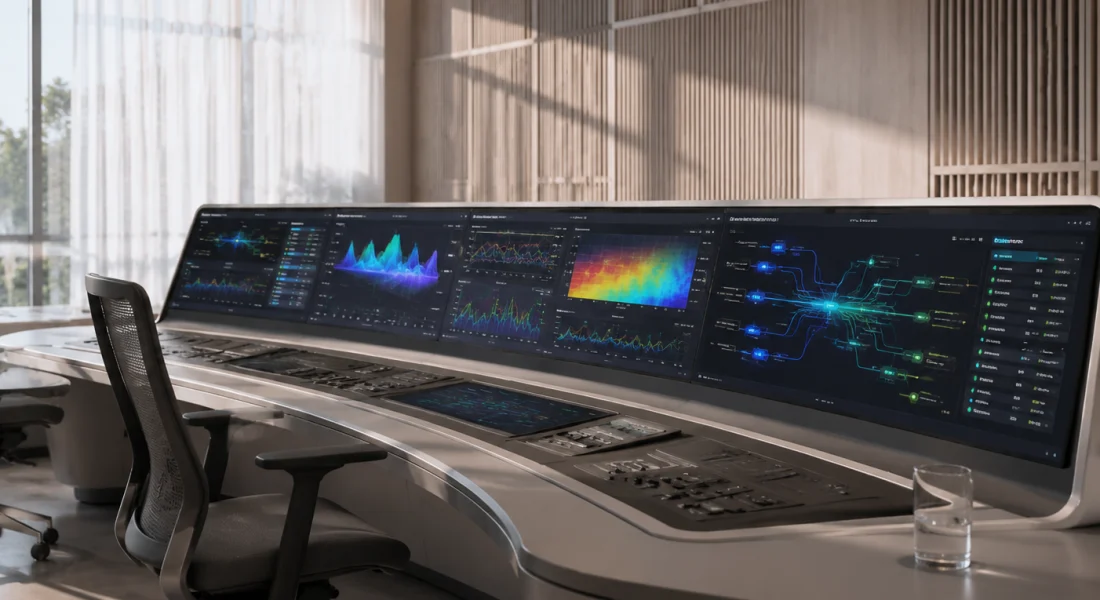
Kurzzusammenfassung: AP Sensing bietet verteilte Glasfaser-Sensorlösungen für die Überwachung kritischer Infrastrukturen und wandelt Standard-Glasfasern in dichte Sensorarrays um. Die Technologie eignet sich hervorragend für die Perimeterüberwachung, die Integritätsprüfung von Pipelines und die Messung von Temperaturgradienten über Hunderte von Kilometern. Jüngste Projekte wie die BRUA-Pipeline demonstrieren ihre praktische Wirksamkeit. Die Asset Explorer App vereinfacht zwar die Installationsdokumentation, die Plattform erfordert jedoch erhebliche Investitionen in die Infrastruktur und technisches Fachwissen.
Die Technologie der verteilten akustischen Sensorik hat sich von einer Laborstudie zu einem unverzichtbaren Werkzeug für unternehmenskritische Infrastrukturen entwickelt. AP Sensing ist führend in dieser Entwicklung und bietet Glasfaser-Überwachungslösungen, die weltweit über Grenzen hinweg, entlang von Pipelines und in Hochsicherheitsanlagen eingesetzt werden.
Aber hält die Technologie, was sie verspricht? Dieser Testbericht untersucht die Plattform von AP Sensing im Hinblick auf reale Einsätze, technische Fähigkeiten und praktische Grenzen.
Was AP Sensing tatsächlich bewirkt
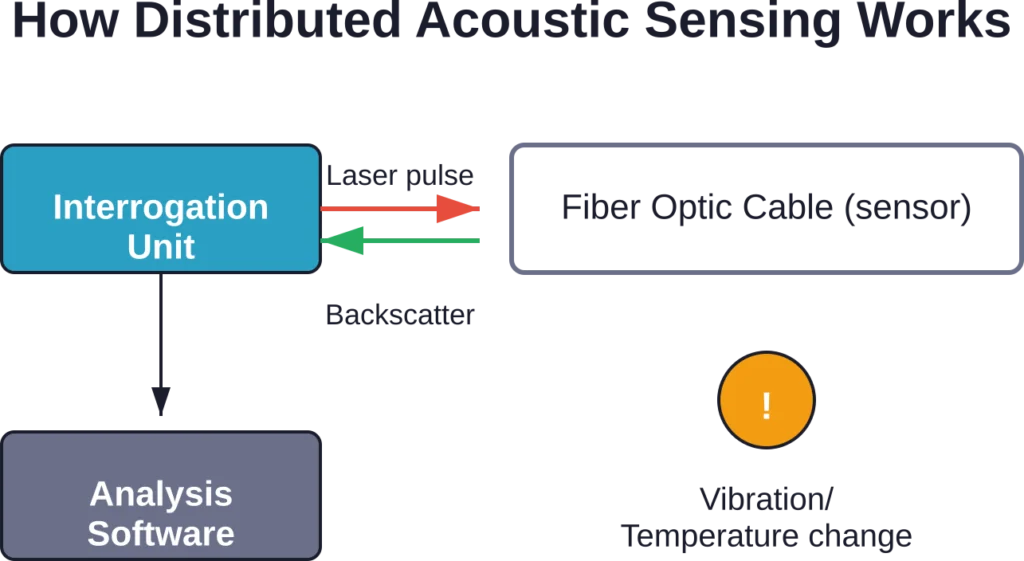
AP Sensing wandelt herkömmliche Telekommunikationsfasern in durchgehende Sensorarrays um. Die Kerntechnologie – die verteilte akustische Sensorik – sendet Laserimpulse durch Glasfaserkabel und analysiert das rückgestreute Licht. Wenn Vibrationen, Temperaturänderungen oder Dehnung auf die Faser einwirken, verändern sich die Rückstreumuster.
Das System erkennt diese Veränderungen in Echtzeit. Man kann es sich wie Tausende einzelner Sensoren vorstellen, die entlang einer einzigen Faser angeordnet sind und jeweils gleichzeitig Daten übermitteln.
Das Unternehmen konzentriert sich auf drei Hauptanwendungsbereiche: Perimeter- und Grenzsicherung, Überwachung der Pipeline-Integrität und Schutz kritischer Infrastrukturen. Jeder dieser Bereiche erfordert unterschiedliche Erfassungsmodi und Analysealgorithmen.
Kerntechnologiekomponenten
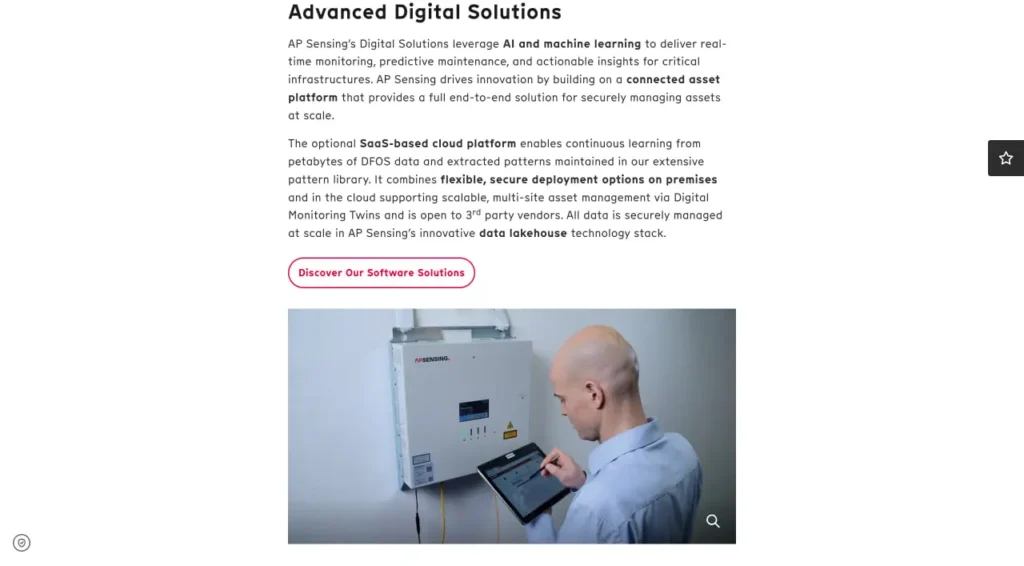
Die Plattform besteht aus Abfrageeinheiten – spezieller Hardware, die Laserimpulse erzeugt und rückgestreute Signale erfasst – gepaart mit einer Analysesoftware, die die Daten interpretiert. Die Glasfaserkabel selbst dienen als Sensoren.
In den meisten Fällen sind keine Spezialfasern erforderlich. Standardmäßige Singlemode-Telekommunikationsfasern eignen sich für akustische Sensoranwendungen. Für die Temperaturüberwachung können je nach Umgebungsbedingungen Spezialfasern notwendig sein.
Die Reichweite variiert je nach Anwendung, aber Systeme überwachen üblicherweise 40–50 Kilometer von einer einzelnen Abfrageeinheit aus. Einige Konfigurationen erreichen mithilfe optischer Verstärker Reichweiten von über 100 Kilometern.
Erstellen Sie benutzerdefinierte Geodaten-KI-Modelle mit FlyPix AI
Unterschiedliche Projekte erfordern oft unterschiedliche Anforderungen an die Erkennung und Klassifizierung. FlyPix AI ermöglicht es Benutzern, mithilfe ihrer eigenen Annotationen benutzerdefinierte KI-Modelle zu trainieren, wodurch Teams bei der Identifizierung bestimmter Objekte und Merkmale in Geodatenbildern unterstützt werden.
Benötigen Sie KI-Modelle für einen spezifischen Anwendungsfall?
FlyPix AI kann helfen bei:
- benutzerdefinierte Objekterkennung
- vom Benutzer trainierte KI-Modelle
- Workflows zur Bildklassifizierung
- Geodatenüberwachung und -inspektion
👉 Probieren Sie FlyPix AI aus. um benutzerdefinierte Geodaten-KI-Modelle auf Ihren Daten zu testen.
Die BRUA-Pipeline-Implementierung: Reale Leistungsdaten
Das Erdgaspipeline-Projekt BRUA wurde mit dem FOSA-Projektpreis des Jahres 2025 ausgezeichnet. Die Pipeline erstreckt sich über fast 500 Kilometer durch Rumänien, Bulgarien, Ungarn und Österreich.
Dr. Wissem Sfar Zaoui und Dr. Alex de Joode von AP Sensing präsentierten im März gemeinsam mit Dr. Paul Dickinson von Smart Infrastructure Solutions Erkenntnisse zur Implementierung. Das Projekt demonstriert die gleichzeitige Nutzung von vier wichtigen Überwachungsfunktionen.
Die Erkennung von unbefugtem Zugriff durch Dritte ist entlang der gesamten Trasse kontinuierlich aktiv. Das System erkennt Aushubarbeiten, sich nähernde Fahrzeuge und unbefugte Zugriffsversuche im Umkreis von wenigen Metern um den Pipelinekorridor.
Die MIG-Tracking-Technologie – die Überwachung von Inspektionswerkzeugen im Inneren der Pipeline – funktioniert zuverlässig über die gesamte Strecke. Die Bediener erhalten Positionsaktualisierungen in Echtzeit, während sich die Inspektionswerkzeuge durch die Leitung bewegen.
Die Faserzustandsüberwachung läuft parallel und erkennt Kabelschäden oder -beeinträchtigungen, bevor die Messfähigkeit beeinträchtigt wird.
Die Temperaturgradientenmessung (DTGS) ermöglicht die Leckageerkennung. Kleine Leckagen erzeugen lokale Temperaturanomalien, die das System innerhalb von Minuten erkennt.
Detektionsleistung in der Praxis
Diskussionen unter Pipelinebetreibern deuten darauf hin, dass die Zuverlässigkeit der Detektion von den Bodenverhältnissen, der Verlegetiefe und lokalen Geräuschquellen abhängt. Die Technologie eignet sich besonders für ländliche Gebiete mit minimalen Hintergrundvibrationen.
Der Einsatz in urbanen Gebieten steht vor größeren Herausforderungen. Verkehr, Baustellen und industrielle Aktivitäten erzeugen ständig Signale, die von den Analysealgorithmen gefiltert werden müssen. In Umgebungen mit hohem Störpegel steigt die Rate falsch positiver Ergebnisse.
Allerdings zeigen groß angelegte Implementierungen wie BRUA, dass die Technologie bei korrekter Konfiguration zum Schutz kritischer Infrastrukturen geeignet ist.
Asset Explorer: Das Dokumentationstool
Die Asset Explorer App ist im Google Play Store gelistet, das letzte Update datiert vom 13. Oktober 2025. Die mobile Anwendung adressiert eine praktische Herausforderung: die Dokumentation von Sensorinstallationen in verteilten Infrastrukturen.
Die App ermöglicht es Außendiensttechnikern, die Glasfaserverlegung zu überprüfen, Sensorstandorte zu kartieren und Beobachtungen während der Installation und Prüfung zu dokumentieren. Fotos, Notizen und GPS-Koordinaten werden bestimmten Positionen entlang der Glasfaserstrecke zugeordnet.
Funktionstests finden innerhalb der App statt. Techniker können Testereignisse auslösen – simulierte Eindringversuche, Temperaturänderungen oder mechanische Vibrationen – und überprüfen, ob das System diese am richtigen Ort erkennt.
Laut Google Play-Eintrag wurde die App über 50 Mal installiert. Sie benötigt ein kompatibles AP-Sensing-System und die entsprechenden Zugangsdaten.
Praktische Vorteile der Installation
Die Qualität der Dokumentation ist für den langfristigen Systembetrieb entscheidend. Wenn Jahre nach der Installation eine Warnmeldung ausgelöst wird, benötigen die Betreiber genaue Karten, die die an jedem Standort vorhandene Infrastruktur zeigen.
Der Asset Explorer vereinfacht diesen Prozess im Vergleich zu manuellen Dokumentationsmethoden. Außendienstmitarbeiter arbeiten schneller, und das digitale Format lässt sich in zentrale Überwachungssysteme integrieren.
Die App dient jedoch primär der Installations- und Inbetriebnahmephase. Die tägliche Betriebsüberwachung erfolgt über eine separate Leitstandsoftware.
Anwendungen für Perimeter- und Grenzsicherheit
Die Technologie von AP Sensing wandelt Glasfaserkabel in Sensoren zur Einbruchserkennung für Grenzen, Perimeter und kritische Infrastrukturen um. Dazu gehören internationale Grenzen, Flughäfen, Kraftwerke, Rechenzentren, Produktionsanlagen, Solarparks und Regierungsgebäude.
Das System erkennt Schritte, sich nähernde Fahrzeuge sowie Grab-, Schneid- und Kletteraktivitäten. Analysealgorithmen unterscheiden die verschiedenen Bedrohungsarten anhand von Vibrationssignaturen.
Die Installation umfasst üblicherweise das Verlegen von Glasfaserkabeln 30–50 Zentimeter tief im Erdreich entlang des Umfangs. Bei manchen Installationen werden an Zäunen befestigte Glasfaserkabel zur oberirdischen Ortung verwendet.
Erfassungszonen und Reaktion
Die räumliche Auflösung – die Fähigkeit, den genauen Ort eines Ereignisses zu bestimmen – liegt je nach Konfiguration typischerweise zwischen 1 und 10 Metern. Geringere Abstände erfordern mehr Rechenleistung und erzeugen größere Datenmengen.
Die Reaktionszeit akustischer Ereignisse liegt im Subsekundenbereich. Temperaturbasierte Detektionssysteme (Brand, Leckagen) reagieren langsamer, da sich thermische Veränderungen nur allmählich in Materialien ausbreiten.
Die Integration mit Sicherheitsmanagementsystemen ermöglicht eine automatisierte Reaktion. Erkannte Eindringversuche lösen Kameras, Beleuchtung, Alarme oder den Einsatz von Sicherheitspersonal aus.
Technische Spezifikationen und Einschränkungen
AP-Sensorsysteme arbeiten in verschiedenen Messmodi. Die verteilte akustische Sensorik (DAS) erfasst Vibrationen und Schall. Die verteilte Temperatursensorik (DTS) misst Temperaturprofile. Die verteilte Temperaturgradientensensorik (DTGS) identifiziert lokale Temperaturänderungen zur Leckageerkennung.
Jeder Modus erfordert unterschiedliche Fasertypen und Abfrageverfahren. DAS arbeitet mit Standard-Singlemode-Fasern. DTS benötigt häufig Multimode-Fasern für optimale Leistung. DTGS verwendet eine spezielle Raman-Streuungsanalyse.
Umweltfaktoren beeinflussen die Leistung erheblich. Extreme Temperaturen, Feuchtigkeit, mechanische Belastung und elektromagnetische Störungen beeinträchtigen die Signalqualität.
| Parameter | Typischer Bereich | Auswirkungen auf die Anwendung |
|---|---|---|
| Erfassungsabstand | 40-100+ km | Einzelgerät deckt lange Strecken ab |
| Räumliche Auflösung | 1-10 Meter | Standortgenauigkeit für Ereignisse |
| Temperaturbereich | -40 °C bis +800 °C | Variiert je nach Faser und Anwendung |
| Reaktionszeit (akustisch) | Subsekunde | Echtzeit-Einbruchserkennung |
| Ansprechzeit (thermisch) | Minuten | Brand- und Leckageerkennung |
Installationsanforderungen
Die Implementierung erfordert sorgfältige Planung. Bei der Glasfaserverlegung müssen Geländebeschaffenheit, bestehende Infrastruktur und potenzielle Störquellen berücksichtigt werden.
Die Verlegetiefe beeinflusst die Detektionsempfindlichkeit. Flach installierte Systeme erfassen Oberflächenereignisse besser, sind aber einem höheren Beschädigungsrisiko ausgesetzt. Tiefer installierte Systeme sind zwar robuster, erfassen aber möglicherweise leichtere Störungen nicht.
Sorgfältiges Kabelmanagement ist wichtig. Zu viele Biegungen, Knicke oder Belastungspunkte beeinträchtigen die Signalqualität. Professionelle Installationsteams, die mit den Anforderungen an die Handhabung von Glasfaserkabeln vertraut sind, erzielen bessere Ergebnisse.
Stromversorgung und Netzwerkanbindung sind unerlässlich. Die Abhörgeräte benötigen eine stabile Stromversorgung und Datenverbindungen zu den Kontrollzentren. An abgelegenen Standorten sind gegebenenfalls Notstromsysteme und Satellitenkommunikation erforderlich.
Vergleich mit alternativen Technologien
Die verteilte faseroptische Sensorik konkurriert mit herkömmlichen Punktsensoren, Radarsystemen, zaunmontierten Detektoren und kamerabasierter Überwachung.
Punktsensoren – einzelne Detektoren an bestimmten Standorten – sind pro Gerät günstiger, erfordern aber für eine größere Reichweite viele Einheiten. Glasfasersysteme bieten eine lückenlose Abdeckung mit weniger Abfrageeinheiten.
Radar eignet sich gut für offene Flächen, hat aber Schwierigkeiten mit unebenem Gelände und Hindernissen. Glasfaserbasierte Sensorik folgt Infrastrukturtrassen unabhängig von der Topografie.
Kamerasysteme liefern zwar visuelle Bestätigung, erfordern jedoch eine umfangreiche Infrastruktur und sind wetterabhängig. Faserbasierte Sensoren funktionieren auch bei Nebel, Dunkelheit und widrigen Bedingungen.
Wann faseroptische Sensorik sinnvoll ist
Lange, lineare Infrastrukturen eignen sich am besten für die Glasfaserüberwachung. Pipelines, Grenzen, Eisenbahnlinien und Versorgungskorridore profitieren am meisten von einer lückenlosen Abdeckung.
Hochsicherheitsanwendungen rechtfertigen die Investition. Nuklearanlagen, militärische Einrichtungen und kritische Energieinfrastrukturen setzen häufig auf faseroptische Sensorik aufgrund ihrer Zuverlässigkeit und Manipulationssicherheit.
In rauen Umgebungen sind Glasfasersysteme von Vorteil. Elektronische Sensoren versagen bei extremen Temperaturen, korrosiven Atmosphären oder starken Vibrationen. Passive Glasfaserkabel widerstehen Bedingungen, die aktive Elektronik zerstören.
Kostenüberlegungen und ROI
Die Preise variieren je nach Reichweite, benötigten Erfassungsmodi und Integrationskomplexität erheblich. Unternehmen sollten die offiziellen Kanäle von AP Sensing konsultieren, um aktuelle Preise für spezifische Konfigurationen zu erhalten.
Die anfängliche Investition umfasst Abhörgeräte, die Verlegung von Glasfaserkabeln, Analysesoftware und die Integration in bestehende Sicherheits- oder Überwachungssysteme. Bei großflächigen Installationen verteilen sich diese Kosten auf viele Kilometer.
Die Betriebskosten bleiben relativ niedrig. Glasfaserkabel benötigen keine Stromversorgung und nur minimalen Wartungsaufwand. Abfragegeräte müssen regelmäßig kalibriert und mit Software-Updates versehen werden.
Der Return on Investment ergibt sich primär aus der Prävention von Vorfällen und der schnellen Reaktion. Die frühzeitige Leckageerkennung verhindert Umweltschäden und Produktverluste. Die Einbruchserkennung reduziert den Bedarf an Sicherheitspersonal.
Faktoren der Budgetplanung
Die Projektgröße hat einen erheblichen Einfluss auf die Kosten pro Kilometer. Kleinere Installationen unter 10 Kilometern verursachen aufgrund der fixen Ausrüstungskosten relativ höhere Kosten. Systeme mit einer Reichweite von 50 bis 100 Kilometern erzielen eine bessere Wirtschaftlichkeit.
Die Komplexität des Geländes beeinflusst die Installationskosten. Offene, zugängliche Strecken sind kostengünstiger zu instrumentieren als gebirgige, städtische oder Unterwasserwege.
Integrationsanforderungen bestimmen die Software- und Entwicklungskosten. Standalone-Systeme sind kostengünstiger als Plattformen, die mit mehreren Drittsystemen integriert sind.
Unterstützung, Schulung und Ökosystem
AP Sensing bietet technischen Support über regionale Niederlassungen und Partner an. Reaktionszeiten und Supportqualität variieren je nach Standort und Vertragsbedingungen.
Die Schulungsprogramme umfassen Systembetrieb, Wartung und Fehlerbehebung. Die Schulung der Außendiensttechniker konzentriert sich auf Installation und Inbetriebnahme. Die Betriebsschulung richtet sich an das Leitstandpersonal, das Sensordaten interpretiert.
Das Partnernetzwerk umfasst Systemintegratoren, Installationsunternehmen und Anwendungsspezialisten. Bei großen Projekten koordinieren in der Regel mehrere Partner die Implementierung.
Langfristige Lebensfähigkeit
Die Beteiligung des Unternehmens an großen Infrastrukturprojekten deutet auf eine stabile, langfristige Unterstützung hin. Der Bau der BRUA-Pipeline und die Auszeichnung mit dem FOSA-Preis zeugen vom Vertrauen der Branche.
Die verteilte faseroptische Sensorik ist jedoch nach wie vor ein Spezialgebiet. Fachkräfte mit entsprechender Expertise sind rar. Organisationen, die diese Systeme einsetzen, müssen Schulungen und den Wissenserhalt entsprechend planen.
Herausforderungen bei der praktischen Umsetzung
Fachgespräche unter Betreibern von Glasfasersensoren zeigen häufige Herausforderungen bei der Implementierung auf. Falsch-Positiv-Raten in Umgebungen mit hohem Störpegel stehen dabei an erster Stelle – in städtischen Gebieten entstehen durch die ständigen Vibrationen Alarme.
Die Optimierung von Algorithmen erfordert Geduld und Fachwissen. Standardeinstellungen führen selten zu optimalen Ergebnissen. Anwender verbringen Wochen oder Monate damit, Empfindlichkeit, Filter und Klassifizierungsregeln an die lokalen Gegebenheiten anzupassen.
Beschädigungen der Glasfaserleitungen während Bauarbeiten stellen ein ständiges Risiko dar. Aushubarbeiten Dritter in der Nähe überwachter Infrastruktur können Kabel durchtrennen und so Versorgungslücken verursachen. Redundante Glasfaserverlegung mindert dieses Risiko, erhöht aber die Kosten.
Die Komplexität der Integration überrascht viele Organisationen. Die Anbindung von Glasfasersensorsystemen an Zutrittskontroll-, Videomanagement- und Vorfallsreaktionssysteme erfordert individuelle Entwicklungsarbeit.
| Stärke | Einschränkung |
|---|---|
| Kontinuierliche Fernabdeckung | Hoher Anfangskapitalbedarf |
| Funktioniert in rauen Umgebungen | Erfordert spezielle Installationskenntnisse |
| Echtzeit-Mehrparameterüberwachung | Komplexität der Algorithmusoptimierung |
| Im Maßstab bewährt (BRUA: 500 km) | Höhere Anzahl falsch positiver Ergebnisse in städtischen Gebieten |
| Passive Sensoren, geringer Wartungsaufwand | Begrenzte Verfügbarkeit von Außendiensttechnikern |
Überlegungen zur Cybersicherheit
Gemäß den CISA-Richtlinien (aktualisiert am 29. Juli 2025) sind kritische Infrastrukturüberwachungssysteme ausgeklügelten Bedrohungen durch Angreifer ausgesetzt.
Glasfaserbasierte Sensorsysteme werden an bestehende Netzwerke angebunden und schaffen so potenzielle Angriffsvektoren. Unternehmen müssen daher Netzwerksegmentierung, Zugriffskontrollen und Überwachungssysteme für die Sensorinfrastruktur implementieren.
CISA empfiehlt, Offline-Backups der Konfigurationsdaten zu erstellen, eine phishingresistente Multifaktor-Authentifizierung zu aktivieren und den Fernzugriff auf unbedingt notwendiges Personal zu beschränken.
AP-Sensorsysteme benötigen ähnliche Schutzmaßnahmen wie andere industrielle Steuerungssysteme. Die Daten selbst – Vibrationsmuster, Temperaturprofile, Ereignisprotokolle – können im Falle einer Kompromittierung Sicherheitsverfahren und Schwachstellen aufdecken.
Industriestandards und Zuverlässigkeitskennzahlen
RFC 9912 (Zuverlässige und verfügbare drahtlose Architektur, April 2026) legt Zuverlässigkeitskonzepte für kritische Systeme fest. Die Standards geben an, dass eine Verfügbarkeit von 99,991 TP3T als Basiswert für die Netzwerkinfrastruktur dient.
Für die Messung der Zuverlässigkeit von Datenverbindungen legen Standards Zielwerte für die Paketübermittlungsrate (PDR) von 99,999% für unternehmenskritische Anwendungen fest. Diese Richtwerte gelten für die Netzwerkinfrastruktur, die verteilte Sensorsysteme unterstützt.
AP-Sensing-Systeme sollten diese Zuverlässigkeitsstandards für kritische Infrastrukturanwendungen erfüllen oder übertreffen. Redundante Abfrageeinheiten, diverse Glasfaserleitungen und Notstromsysteme tragen zu einer hohen Verfügbarkeit bei.
Das Urteil: Wo AP Sensing seine Stärken ausspielt
AP Sensing bietet bewährte Leistung für spezifische Anwendungsfälle. Die Technologie spielt ihre Stärken insbesondere bei der Pipelineüberwachung, der Grenzsicherung und dem Schutz kritischer Infrastrukturen aus, wo eine kontinuierliche Fernabdeckung die Investition rechtfertigt.
Das BRUA-Pipeline-Projekt demonstriert die Leistungsfähigkeit der Technologie im großen Maßstab. Knapp 500 Kilometer effektive Überwachung zur Erkennung von Eindringlingen, zur Verfolgung von Kabelverteilern, zur Überprüfung des Faserzustands und zur Leckageerkennung bestätigen die Eignung der Technologie für den Einsatz in großen Infrastrukturprojekten.
Die Asset Explorer App erfüllt einen echten Bedarf im Installations- und Inbetriebnahmeprozess. Die Qualität der Felddokumentation wird verbessert, wodurch langfristige Betriebsprobleme reduziert werden.
Die Plattform ist jedoch nicht universell einsetzbar. Kleinere Implementierungen sind wirtschaftlich schwierig. In urbanen Umgebungen mit hohem Hintergrundgeräuschpegel ist eine umfangreiche Anpassung erforderlich. Organisationen benötigen während der Implementierung technisches Fachwissen und Geduld.
Optimale Anwendungsbereiche
Energieleitungen mit einer Länge von mehreren zehn oder hundert Kilometern stellen ideale Einsatzgebiete dar. Die Kosten pro Kilometer sind dann überschaubar, und der Nutzen einer frühzeitigen Leckageerkennung ist erheblich.
Nationale Grenzen und militärische Perimeter, wo lückenlose Abdeckung und Beständigkeit gegenüber rauen Umgebungsbedingungen wichtiger sind als die Kosten.
Perimeter von Rechenzentren und Versorgungskorridore, wo die Infrastruktur bereits vorhanden ist oder parallel zur geplanten Glasfaserinstallation verläuft.
Eisenbahnüberwachung, bei der Gleisintegrität, Erdrutscherkennung und Eindringungsschutz in einem einzigen System vereint sind.
Szenarien mit schlechter Passform
Bei kleineren Anlagen mit einem Umfang von unter 5 Kilometern sind herkömmliche Sensoren oder Kameras wahrscheinlich kostengünstiger und ausreichend.
Dicht besiedelte städtische Gebiete ohne dedizierte Glasfaserinfrastruktur – Installationskosten und Fehlalarmraten stellen Herausforderungen dar.
Anwendungen, die eine visuelle Bestätigung erfordern – Fasersensoren erkennen Ereignisse, liefern aber keine Bilder; die Integration einer Kamera erhöht die Komplexität.
Organisationen, denen es an technischem Personal für die Algorithmenabstimmung und Systemoptimierung mangelt.
Häufig gestellte Fragen
Die räumliche Auflösung liegt je nach Systemkonfiguration typischerweise zwischen 1 und 10 Metern. Höhere Auflösungen erfordern mehr Rechenleistung und erzeugen größere Datenmengen. Für die meisten Anwendungen im Bereich der Perimeterüberwachung und Pipelineüberwachung ist eine Genauigkeit von 5–10 Metern ausreichend, um Einsatzkräfte zum Einsatzort zu leiten.
Ja, verteilte akustische Sensorik funktioniert in den meisten Fällen mit Standard-Singlemode-Telekommunikationsfasern. Organisationen mit bestehender Glasfaserinfrastruktur entlang der überwachten Strecken können diese Kabel potenziell als Sensoren nutzen. Allerdings beeinflussen Faserqualität, Verlegung und Spleißstellen die Leistung. Anwendungen zur Temperaturmessung erfordern je nach Betriebsumgebung und Temperaturbereich unter Umständen spezielle Fasertypen.
Glasfaserkabel selbst benötigen nur minimalen Wartungsaufwand, da sie passive Komponenten ohne Stromversorgung sind. Abfrageeinheiten müssen regelmäßig kalibriert, Software-Updates durchgeführt und gelegentlich Komponenten ausgetauscht werden. Die Analysesoftware erfordert Aktualisierungen und eine Anpassung der Algorithmen, wenn sich die Bedingungen ändern. Der gesamte Wartungsaufwand ist geringer als bei Systemen mit zahlreichen aktiven elektronischen Sensoren.
Analysealgorithmen nutzen Mustererkennung, um zwischen Bedrohungsereignissen und harmlosen Aktivitäten zu unterscheiden. Maschinelle Lernmodelle, die auf lokale Gegebenheiten trainiert werden, verbessern die Klassifizierungsgenauigkeit. Bediener passen während der Inbetriebnahmephase Empfindlichkeitsschwellen, Frequenzfilter und Ereignisklassifizierungsregeln an. Installationen in städtischen Gebieten mit konstanten Hintergrundvibrationen weisen typischerweise höhere Fehlalarmraten auf als ländliche Installationen und erfordern eine umfassendere Feinabstimmung.
Kabelbrüche oder schwere Beschädigungen führen zu Versorgungslücken stromabwärts der Schadensstelle. Das System erkennt Glasfaserfehler in der Regel sofort durch Signalverlust. Viele kritische Installationen nutzen redundante Glasfaserleitungen – mehrere Kabel verlaufen auf unterschiedlichen Pfaden –, um die Versorgung bei Ausfall eines Kabels aufrechtzuerhalten. Die Reparaturzeiten hängen von der Zugänglichkeit der Schadensstelle und der Verfügbarkeit von Spleißteams ab.
Ja, die Integrationskomplexität variiert jedoch. Die Plattform kann Alarme an Sicherheitsmanagementsysteme auslösen, Kameras an Ereignisorten aktivieren und Daten an Plattformen für die Reaktion auf Sicherheitsvorfälle liefern. Jede Integration erfordert jedoch individuelle Entwicklungsarbeit, um Datenformate, Kommunikationsprotokolle und Arbeitsabläufe abzubilden. Unternehmen sollten Zeit und Ressourcen für die Integrationsentwicklung und -tests einplanen.
Die Temperaturüberwachungsfähigkeit hängt vom Fasertyp und den Anwendungsanforderungen ab. Standardsysteme arbeiten im Bereich von -40 °C bis +85 °C. Spezielle Hochtemperaturanwendungen mit Saphir-basierten Fasersensoren können Umgebungen bis zu 800 °C oder in Extremfällen wie der Triebwerksüberwachung sogar bis zu 1300 °C überwachen. Die meisten Anwendungen im Pipeline- und Infrastrukturbereich liegen innerhalb des Standardtemperaturbereichs.
Abschlussbewertung
Die AP-Sensing-Technologie hat sich von einem spezialisierten Forschungswerkzeug zu einer einsetzbaren Plattform für die Infrastrukturüberwachung entwickelt. Die BRUA-Pipeline und ähnliche groß angelegte Implementierungen beweisen, dass das Konzept auch unter anspruchsvollen realen Bedingungen funktioniert.
Organisationen, die den Einsatz von Glasfasersensorik erwägen, sollten ihre spezifischen Anforderungen sorgfältig prüfen. Lange, lineare Infrastrukturen, raue Umgebungen und hohe Sicherheitsanforderungen passen gut zu den Stärken dieser Technologie. Kleinere Anlagen oder Anwendungen, die eine visuelle Bestätigung erfordern, sind mit alternativen Ansätzen besser bedient.
Die Asset Explorer App verdeutlicht den Fokus des Unternehmens auf praktische Betriebsanforderungen, die über die reine Sensortechnologie hinausgehen. Dokumentations- und Inbetriebnahmetools sind entscheidend für den langfristigen Erfolg des Systems.
Die Kosten stellen nach wie vor das größte Hindernis für eine breitere Anwendung dar. Die Wirtschaftlichkeit verbessert sich zwar bei größeren Projekten deutlich, doch bei kleineren Installationen ist es schwierig, die Investition zu rechtfertigen.
Für Organisationen, die kritische Infrastrukturen über Dutzende oder Hunderte von Kilometern schützen, bietet AP Sensing eine bewährte, kontinuierliche Überwachungsfunktion, die herkömmliche Punktsensoren nicht erreichen können. Die Technologie hat sich damit ihren festen Platz im Werkzeugkasten für den Infrastrukturschutz in diesen anspruchsvollen Anwendungen gesichert.